
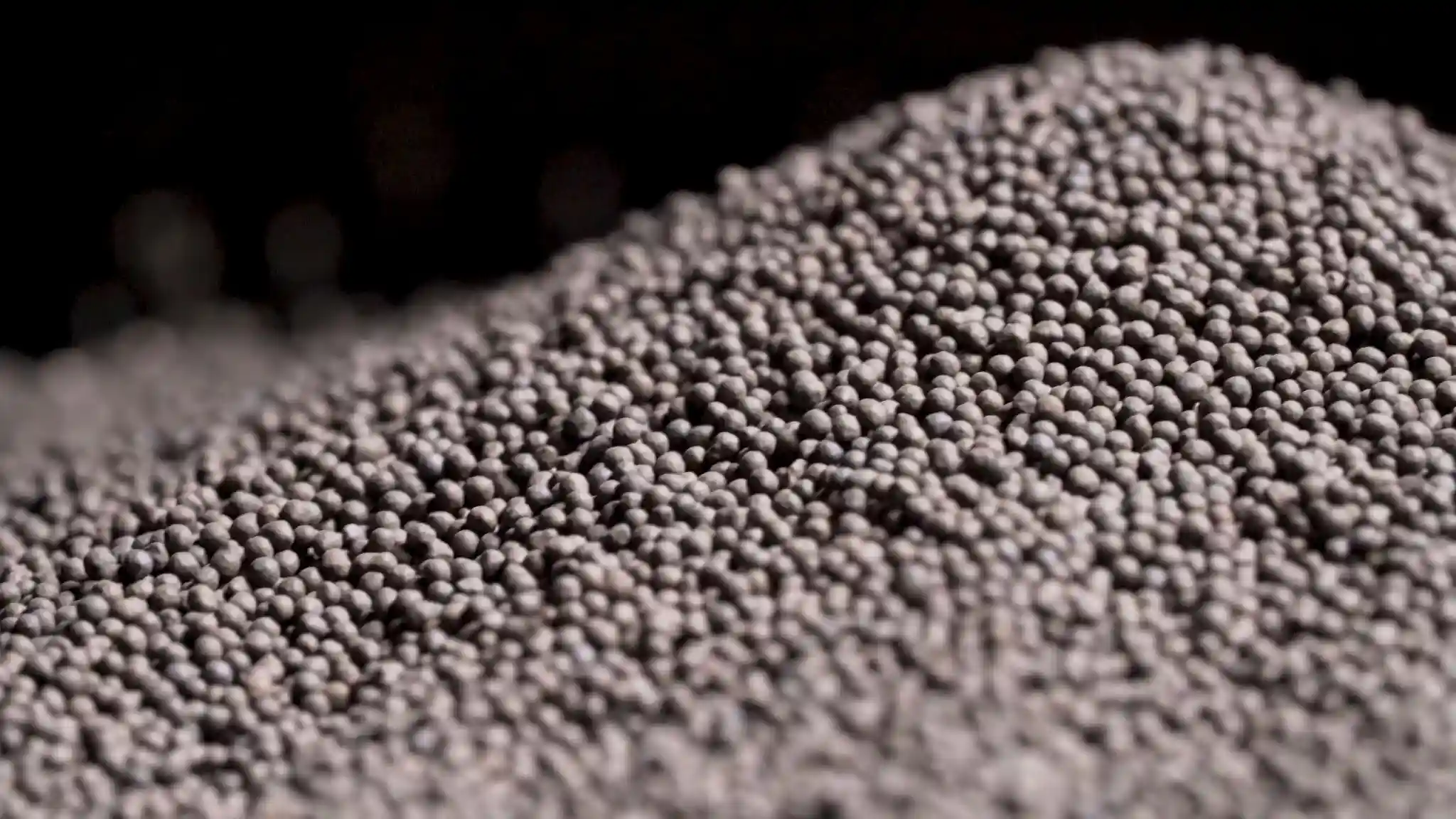
In the vast landscape of manufacturing and industrial processes, the importance of selecting the right abrasive grain type cannot be overstated. Abrasive materials are the unsung heroes behind the scenes, playing a crucial role in shaping, finishing, and refining countless products. Whether you’re working with metal, wood, or concrete, understanding the different types of abrasives and their properties is essential for achieving optimal results. This journey into the world of abrasive grains will illuminate the factors that influence their selection and highlight their applications across various industries.
Classification of Abrasive Grain Types
Abrasive grains can be broadly classified into two categories: natural and synthetic abrasives. Understanding the distinction between these two types is vital for making informed decisions.
Natural vs. Synthetic Abrasives
Natural abrasives, such as garnet and emery, are derived from naturally occurring materials. These grains have been used for centuries and are known for their unique characteristics. They often exhibit irregular shapes, which can be beneficial in certain applications where a more aggressive cut is required.
On the other hand, synthetic abrasives, including aluminum oxide and silicon carbide, are manufactured through chemical processes. This allows for better control over their properties, such as hardness and shape. Synthetic abrasives are typically more consistent than their natural counterparts, making them a popular choice in modern manufacturing.
Common Types of Abrasive Grains
Abrasive grains play a crucial role in various industrial applications, ranging from metalworking to woodworking and beyond. Each type of abrasive grain has its unique properties, making it suitable for specific tasks. Here, we will explore the most common types of abrasive grains, defining their characteristics, advantages, and typical applications.
Aluminum Oxide
Aluminum oxide is one of the most widely used abrasive materials in the industry. It is created through the electrofusion of bauxite, a naturally occurring mineral. This abrasive is known for its exceptional hardness and durability, making it suitable for a variety of applications.
Characteristics:
-
Hardness: Aluminum oxide has a hardness rating of 9 on the Mohs scale, making it one of the hardest materials available.
-
Durability: Its toughness allows it to withstand high levels of stress, which is essential for heavy-duty applications.
-
Variety: Available in different forms, including fused aluminum oxide (white and brown) and ceramic aluminum oxide.
Applications:
-
Metal grinding and finishing
-
Wood sanding
-
Manufacturing of sandpaper and grinding wheels
Silicon Carbide
Silicon carbide is another prominent abrasive grain known for its sharpness and ability to cut hard materials. It is produced by combining silica and carbon at high temperatures. This abrasive is ideal for applications requiring precision and a fine finish.
Characteristics:
-
Sharpness: Silicon carbide grains have sharp edges that contribute to their effective cutting action.
-
Brittleness: While it is extremely hard, silicon carbide is more brittle than aluminum oxide, which can limit its use in certain applications.
-
Color Variations: Available in a range of colors, including black, green, and blue, depending on the specific manufacturing process.
Applications:
-
Grinding hard materials like ceramics and glass
-
Finishing metals and plastics
-
Used in abrasive blasting and polishing processes
Diamond Abrasives
Diamond abrasives are the hardest known material and are often used in applications that require extreme precision and durability. They are manufactured by attaching diamond particles to a substrate or forming diamond wheels.
Characteristics:
-
Unmatched Hardness: With a hardness rating of 10 on the Mohs scale, diamond abrasives can cut through nearly any material.
-
Thermal Conductivity: Excellent thermal conductivity helps reduce heat buildup during cutting operations.
-
Versatility: Available in both natural and synthetic forms, allowing for a wide range of applications.
Applications:
-
Precision cutting and grinding of hard materials, including ceramics and stones
-
Tool sharpening
-
Used in industries such as electronics, automotive, and construction
Garnet Abrasives
Garnet abrasives are naturally occurring minerals that have gained popularity due to their eco-friendly properties and effectiveness. They are mined and processed into various grades for different applications.
Characteristics:
-
Eco-Friendly: Being a natural material, garnet is non-toxic and environmentally safe.
-
Good Cutting Ability: Garnet grains provide a balance between hardness and toughness, making them effective for various tasks.
-
Angular Shape: Their angular shape enhances cutting efficiency and helps produce a good finish.
Applications:
-
Waterjet cutting
-
Sandblasting and abrasive blasting
-
Surface preparation and finishing
Ceramic Abrasives
Ceramic abrasives are engineered materials designed for high-performance applications. They are produced through a specific manufacturing process that creates a tough, durable grain.
Characteristics:
-
Self-Sharpening: Ceramic grains are designed to break down during use, exposing fresh cutting edges and maintaining their effectiveness.
-
Durability: They are exceptionally durable, making them suitable for heavy-duty grinding and cutting applications.
-
Versatility: Can be used on various materials, including metals, composites, and plastics.
Applications:
-
Heavy metal grinding and finishing
-
High-speed sanding applications
-
Used in the manufacturing of high-performance grinding wheels and belts
Key Properties of Abrasive Grain Types
When selecting abrasive grains, several key properties must be considered, as they directly impact performance.
Hardness and Durability
Hardness is a fundamental property of an abrasive grain and is often measured on the Mohs scale. The higher the hardness, the more effective the abrasive will be in cutting or grinding materials. Durability is equally important; a durable abrasive will last longer and reduce the frequency of replacement, saving both time and money. Choosing the right combination of hardness and durability can significantly enhance your operational efficiency.
Shape and Size
The shape and size of abrasive grains also play a critical role in their effectiveness. Irregularly shaped grains can create a more aggressive cutting action, allowing for faster material removal. Conversely, uniformly shaped grains provide a smoother finish. Grain size is measured in microns or mesh, and selecting the right size is essential for achieving the desired surface finish. Smaller grains are ideal for finer finishes, while larger grains are suitable for heavy material removal.
Factors Influencing the Selection of Abrasive Grains
Several factors influence the selection of abrasive grains that extend beyond just hardness and shape.
Application Requirements
Every industry has specific needs. For instance, metalworking may require a different abrasive grain type compared to woodworking. Understanding the material being processed is crucial. Metals often require harder abrasives, while wood may benefit from softer grains that produce a smooth finish. Each application has its own set of challenges, and selecting the right abrasive can make all the difference in achieving optimal results.
Environmental Considerations
In today’s manufacturing landscape, environmental considerations cannot be ignored. The generation of dust and particulates during abrasive processes can pose health risks to workers. Selecting abrasives that minimize dust generation is essential. Furthermore, adhering to health and safety regulations is critical, and using eco-friendly abrasives can enhance a company’s reputation while ensuring compliance with environmental standards.
Applications of Different Abrasive Grain Types in Industry
Different abrasive grain types have unique applications across various industries, each tailored to specific needs.
Metalworking and Machining
In the realm of metalworking, the right abrasive grain can drastically improve efficiency and finish quality. Aluminum oxide is often the go-to choice for grinding, cutting, and polishing metals due to its durability and effectiveness. It can handle a variety of metal types, making it versatile. Silicon carbide is preferred for hard metals and provides a finer finish. The choice of abrasive grain directly influences the productivity and quality of the final product.
Woodworking and Finishing
Woodworking presents its own challenges when it comes to selecting abrasives. The goal is often to achieve a smooth, even finish without damaging the wood. Softer abrasives like garnet are commonly used due to their ability to produce a fine finish while being gentle on the wood surface. The proper selection of grain type and size will not only enhance the visual appeal of the finished product but also improve adhesion of finishes, such as paints and stains.
Construction and Building Materials
In construction, abrasives play a vital role in processes like cutting, grinding, and polishing concrete and masonry. Diamond abrasives are particularly effective for these heavy-duty applications due to their unmatched hardness and cutting ability. They can efficiently tackle tough materials, ensuring precise cuts and finishes. Understanding the specific grain type that suits construction needs can lead to significant time and cost savings.
Best Practices for Using Abrasive Grains
To maximize the effectiveness of abrasive materials, it’s essential to follow best practices. First, ensure you select the right abrasive type for your specific application. Always consider the material you’re working with and the desired finish. Maintaining your abrasive tools is equally crucial. Regularly inspect and clean them to ensure optimal performance. This not only extends the life of the abrasives but also enhances safety in the workplace.
FAQs
What are the most common types of abrasive grains?
The most common types include aluminum oxide, silicon carbide, garnet, and diamond abrasives. Each type is suited for specific applications based on the material being processed.
How do I choose the right abrasive grain for my application?
Consider factors such as the material you are working with, the desired finish, and the specific requirements of your project. Understanding the properties of different abrasive grains will guide your selection.
Are synthetic abrasives better than natural ones?
Synthetic abrasives tend to offer better consistency and control over properties like hardness and shape, making them more suitable for many modern applications. However, natural abrasives have their own unique advantages.