
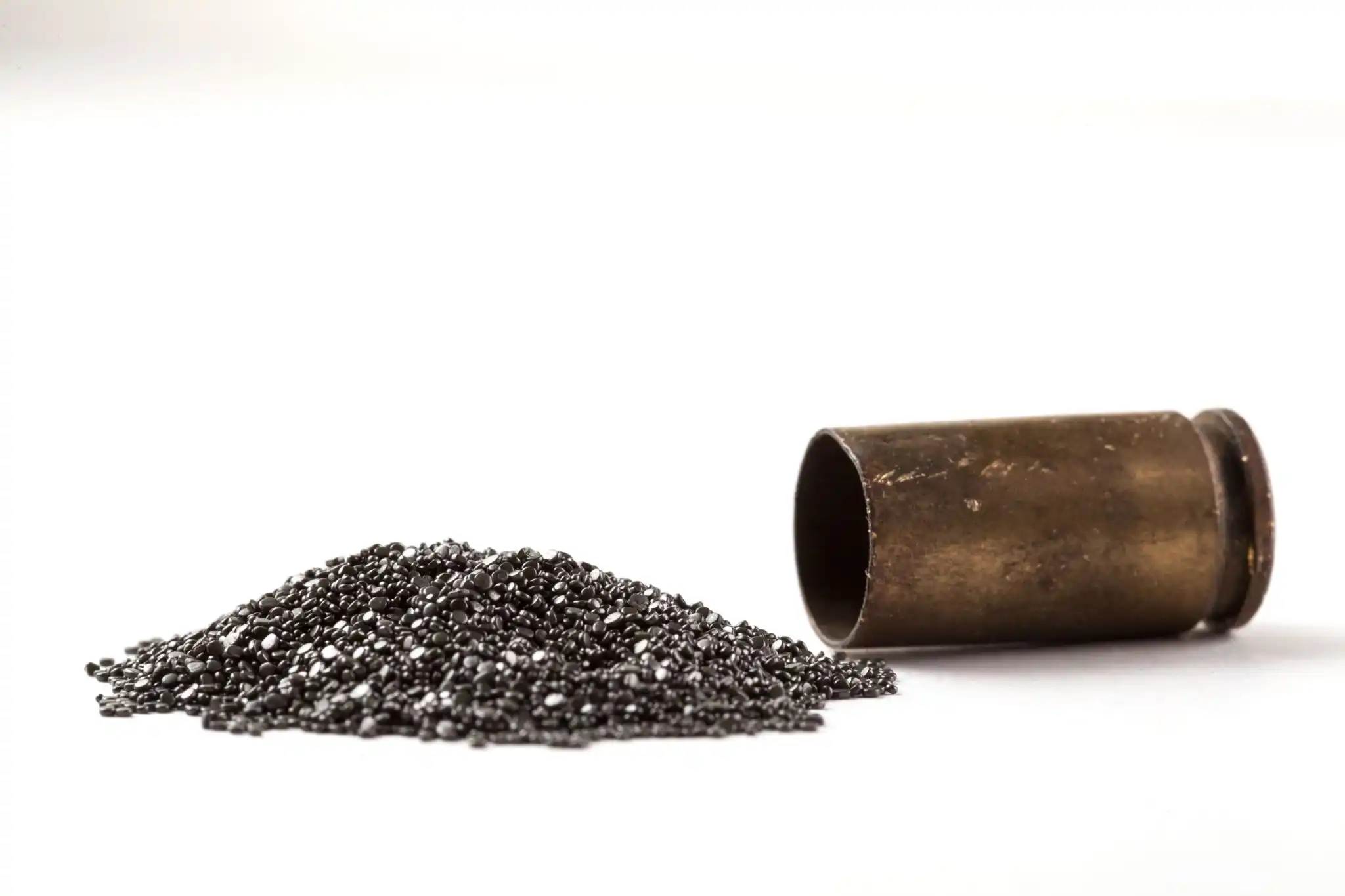
Abrasive grains may look small and simple, but they determine how efficiently a material is cut, shaped, or polished. Whether you are fabricating steel components, sanding hardwood furniture, or finishing granite countertops, the grain you choose directly affects speed, surface quality, and tool lifespan.
Abrasive grains for metalworking must handle extreme heat, pressure, and friction. Woodworking requires precision and controlled removal. Stonework demands durability against hard, brittle surfaces. Each material reacts differently under stress, and not all grains are built for every challenge.
In this guide, we explore which abrasive grains perform best across industries. You will understand how grain hardness, friability, and structure influence results. We will also examine real-world applications, expert insights, and the latest material science developments shaping modern abrasive technology.
Understanding Abrasive Grain Fundamentals
Before selecting the right grain, it helps to understand what makes one abrasive different from another. Abrasive grains are engineered particles designed to cut through materials by micro-fracturing and controlled wear. Three core properties define abrasive performance: hardness, toughness, and friability. Hardness determines resistance to wear. Toughness measures impact resistance. Friability describes how easily a grain fractures to expose new sharp edges. For metalworking, grains must withstand high temperatures without dulling. For woodworking, controlled cutting prevents burn marks. For stone, grains must resist rapid breakdown against mineral crystals.
Abrasive Grains for Metalworking
Metalworking presents some of the toughest conditions. Grinding stainless steel, shaping carbon steel, or finishing aluminum generates significant heat. Poor grain choice leads to glazing, tool wear, and surface damage.
Aluminum Oxide in Steel Applications
Aluminum oxide remains one of the most widely used abrasive grains for metalworking. It offers strong durability and moderate friability. This balance makes it ideal for ferrous metals such as carbon steel and alloy steel. In fabrication shops, aluminum oxide grinding wheels are commonly used for weld blending and deburring. The grain fractures slowly, maintaining cutting edges over time. This reduces tool replacement costs and increases productivity.
Ceramic Alumina for High-Performance Grinding
Ceramic alumina represents a major advancement in abrasive grain technology. It is microcrystalline and self-sharpening. As it fractures, it continuously exposes fresh cutting edges.In heavy-duty grinding, especially stainless steel fabrication and aerospace components, ceramic grains outperform traditional aluminum oxide. They maintain sharpness under high pressure and high-speed operations.
Zirconia Alumina for Aggressive Material Removal
Zirconia alumina combines toughness with moderate self-sharpening properties. It is highly effective in coarse grinding and stock removal.When working on structural steel beams or cast iron parts, zirconia abrasives provide aggressive cutting power. They are especially useful in portable grinding applications where durability matters more than fine finishing. Zirconia’s strength makes it popular in foundries and shipbuilding industries. Its resistance to cracking under pressure extends disc life significantly.
Silicon Carbide for Non-Ferrous Metals
While aluminum oxide dominates ferrous applications, silicon carbide performs better on non-ferrous metals such as aluminum, brass, and bronze. Silicon carbide is sharper but more brittle. It cuts quickly but wears faster. For softer metals, this sharpness reduces clogging and loading. In precision metal finishing, silicon carbide is often chosen for achieving smoother finishes on aluminum panels and decorative metalwork.
Abrasive Grains for Woodworking
Wood behaves differently than metal. It burns easily under friction. Grain selection must balance sharpness with controlled cutting.
Aluminum Oxide for General Wood Sanding
Aluminum oxide is a reliable choice for sanding hardwood and softwood surfaces. It is durable and resists clogging when used with dust extraction systems. Furniture manufacturers frequently use aluminum oxide sandpaper for shaping and finishing wooden surfaces. Its longevity reduces downtime in production lines. Modern anti-static coatings further improve dust management, enhancing both safety and finish consistency.
Garnet for Fine Finishing
Garnet is a natural abrasive grain traditionally used in woodworking. It is less durable than aluminum oxide but provides a smoother finish. Cabinetmakers often prefer garnet sandpaper for final finishing passes. Its softer structure prevents deep scratches, preserving wood grain aesthetics. Although synthetic abrasives dominate industrial production, garnet remains valued for hand sanding and delicate craftsmanship.
Silicon Carbide for Lacquer and Coatings
When sanding between coats of varnish or lacquer, silicon carbide offers exceptional smoothness. Its sharp cutting edges produce uniform scratch patterns. In high-end furniture production, silicon carbide abrasives are frequently used for wet sanding. This approach creates glass-like finishes on hardwood surfaces. The key advantage is consistency. Silicon carbide maintains precision during fine finishing tasks.
Abrasive Grains for Stonework
Stone presents extreme hardness and brittle characteristics. Granite, marble, and engineered quartz require abrasive grains capable of withstanding mineral resistance.
Silicon Carbide for Stone Polishing
Silicon carbide is widely used in stone grinding and polishing. It effectively cuts through granite and marble surfaces. Stone fabricators rely on silicon carbide discs during initial shaping stages. Its sharpness enables efficient removal of surface irregularities. However, because it wears relatively quickly, operators must replace discs more frequently compared to diamond tools.
Diamond Abrasives for Hard Stone
Diamond is the hardest known abrasive material. In stonework, diamond grains dominate heavy-duty cutting and polishing applications. For granite countertop fabrication, diamond-embedded tools deliver superior durability and precision. They maintain cutting performance even under intense pressure. Diamond abrasives significantly reduce processing time. Although more expensive, their longevity often offsets initial costs.
Cubic Boron Nitride in Specialized Stone Processing
Cubic boron nitride, commonly used in advanced metalworking, occasionally appears in specialized stone processing tasks where extreme heat resistance is required. Its thermal stability makes it suitable for niche industrial applications involving engineered stone composites.
Matching Grain to Material Properties
Selecting the right abrasive grain depends on material hardness, heat sensitivity, and desired surface finish. For metalworking, durability and heat resistance are essential. Ceramic alumina and zirconia alumina excel in aggressive grinding tasks. In woodworking, preventing surface damage and burn marks matters most. Aluminum oxide and garnet provide smoother finishes. Stonework demands hardness and resilience. Silicon carbide and diamond remain top choices. Understanding these differences prevents tool failure and improves overall efficiency.
Real-World Application Scenarios
Imagine a metal fabrication shop shaping stainless steel railings. Using ceramic alumina discs ensures cooler cutting and fewer replacements. Productivity improves, and weld seams blend seamlessly. Now consider a woodworking studio crafting oak cabinets. Switching to garnet sandpaper during final sanding preserves wood grain clarity. The finish appears refined and professional.
In a stone workshop producing quartz countertops, diamond abrasives cut slabs precisely and maintain structural integrity. The result is consistent edge quality and minimal chipping. These examples highlight how abrasive grain selection directly influences business outcomes.
Expert Insights on Grain Performance
Industry engineers emphasize that abrasive grains for metalworking must match both machine power and operating pressure. Excessively hard grains on soft materials waste resources. Conversely, soft grains on hard metals reduce efficiency.
According to materials science research, microfracturing technology in ceramic abrasives has improved grinding efficiency by over 20 percent in heavy industrial operations. This advancement reduces energy consumption and extends equipment lifespan.
Latest Innovations in Abrasive Technology
Modern abrasive manufacturers continue refining grain engineering. Precision-shaped ceramic grains now feature triangular or engineered geometries that maximize cutting edges. Nanotechnology has also influenced abrasive design. Enhanced crystal alignment improves fracture control, delivering consistent performance throughout the tool’s lifespan.
Sustainability is another growing focus. Manufacturers are reducing waste during production and developing longer-lasting abrasives to minimize environmental impact. As industries push for efficiency, abrasive grain innovation remains central to performance improvements.
Common Mistakes in Grain Selection
Many operators assume harder always means better. This misconception often leads to overheating or excessive wear. Another mistake involves ignoring compatibility with bonding materials. Even the best grain performs poorly if the bond fails under pressure. Selecting abrasives without considering application speed and pressure also reduces effectiveness. Understanding operational variables ensures optimal results.
The Economic Impact of Choosing the Right Grain
The correct abrasive grain reduces downtime, increases throughput, and lowers replacement frequency. In large-scale metal fabrication, switching from standard aluminum oxide to ceramic grains can significantly cut grinding time. Over a year, this translates into measurable cost savings. Woodworking manufacturers benefit from reduced surface rework. Stone fabricators gain efficiency through faster cutting cycles. Abrasive grain performance influences profitability more than many realize.
Future Outlook for Abrasive Grain Applications
As automation increases in manufacturing, abrasive grains must adapt to robotic precision and higher speeds. Smart grinding systems now monitor temperature and pressure in real time. This data helps optimize grain selection for specific materials. The future of abrasive grains lies in customization. Tailored grain compositions designed for narrow applications will likely become standard in advanced industries. Continuous research ensures better durability, safer operation, and improved surface quality.
Conclusion
Choosing the best abrasive grains for metalworking, woodworking, or stonework is not a minor decision. It shapes productivity, quality, and long-term costs. Aluminum oxide, ceramic alumina, zirconia alumina, silicon carbide, garnet, and diamond each serve distinct purposes. Their performance depends on material properties and operational demands. Understanding abrasive grain performance empowers professionals to work smarter. With modern innovations and expert insights guiding selection, industries can achieve precision, efficiency, and superior finishes. The smallest grain often makes the biggest difference.