
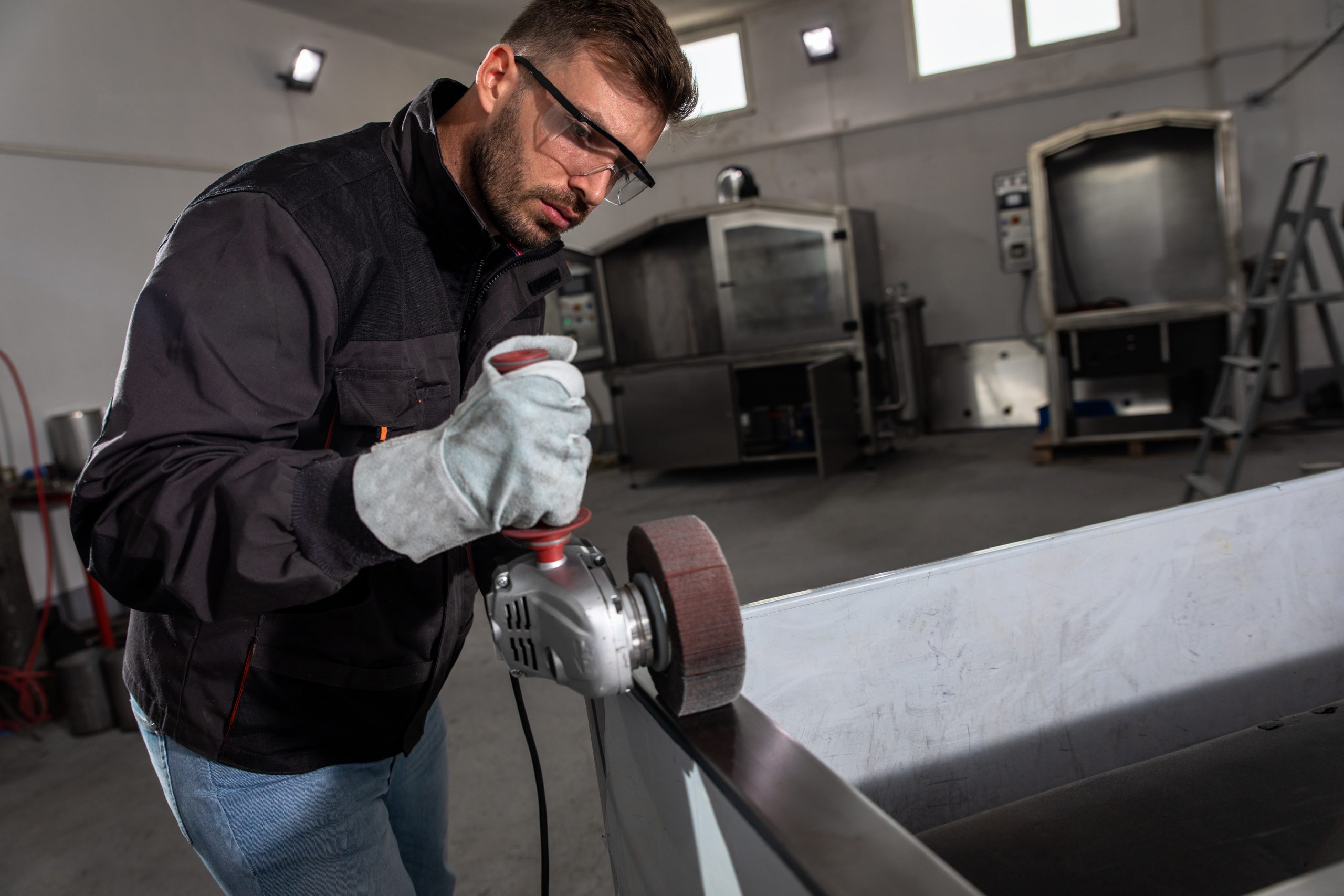
Diamond abrasives are designed tools, which use diamond particles to cut, grind and polish. These abrasives are especially useful because the hardness of diamonds is almost unsurpassable, and they are especially useful in the circumstances that demand high precision and durability. Due to the ongoing development of industries, the necessity in the advanced diamond abrasives is increasing and, that is why, it develops its formulation and use.
Types of Diamond Abrasives
1. Artificial and Natural diamonds
Synthetic Diamonds: The majority of diamond abrasives available in the market today are manufactured using synthetic diamonds that are produced by a process called high-pressure, high-temperature (HPHT) or by a chemical vapor deposition (CVD). These diamonds can be customized to particular uses and they are usually cheaper than the natural diamonds.
Natural Diamonds: although natural diamonds are less prevalent, still, they have some applications in some high-end applications where they are needed because of their special properties.
2. Bonding Techniques
Metal-Bonded Diamond Abrasives: These are suitable for heavy-duty purposes and have good wear resistance and durability. They are mostly applied in stone and concrete grinding wheels and saws.
Resin-Bonded Diamond Abrasives: These abrasives are flexible and are suitable in attaining the high quality finish on soft materials. They are also extensively utilized in the various polishing applications in such industries as jewelry and optics.
Ceramic-Bonded Diamond Abrasives: Ceramic bonds are an ideal tool in high-performance uses and have the advantage of combining both metal and resin bonds into one.
Diamond Abrasives have their uses
1. Manufacturing and Metalworking
The diamond abrasives are highly applicable to grinding and finishing metals especially hard alloys because of their capacity to keep cutting edges sharp. They are commonly found in:
C NC Machining: CNC machines cannot be done with diamond tools as they are required in high precision and tight tolerances as well as high surface finishes.
Tool and Die Making: Diamond abrasives are also employed in tool and die production to produce detailed molding and finishes on dies.
2. Construction and Stone Industry
Diamond blades and grinding wheels play a vital role in the building sector that is used in cutting and finishing stone, concrete and asphalt. They are suitable in cutting and durable enough that they can be used:
Concrete Cutting: Diamond blades are applicable in road making and demolition where they are able to effectively cut through reinforced concrete with little wear.
Stone Fabrication:Diamond abrasives are used in the stone industry to carve and polish the natural stones in order to have a high quality finish in countertops and tiles.
3. Glass and Ceramics
The diamond abrasives are essential in the industry of glass and ceramics where they play roles in:
Glass Sawing and Polishing: Diamond saws and grinding wheels are used to cut and smooth finish different products of glasses.
Ceramic Tile Finishing: Diamond abrasives are used in obtaining high-gloss finishes on ceramic tiles to provide a better look and wear ability.
4. Electronics and Semiconductor to Manufacturing
Diamond abrasives can be applied in the electronics industry in:
Wafer Slicing: Diamond blades are essential in slicing semiconductor fabrication silicon wafers, to provide a smooth and precise cut.
Competences of Diamond Abrasives
1. Her unparalleled Hardness and Durability
Diamond abrasives have a higher cutting life compared to other abrasives, which also reduces the rate at which tools are replaced and the time wastage during manufacturing processes.
2. Versatility
Metals, ceramics, glass, and stone are all examples of materials one can use diamond abrasives. This flexibility enables manufacturers to have one form of abrasive applicable in several applications enabling them to simplify their operations.
3. Cost-Effectiveness
The initial investment on the diamond abrasives might be increased, but the performance and the lifespan are likely to lead to reduced total costs. The savings will be high in the long-term due to the decreased replacement and maintenance of tools.
4. Accuracy and Quality of Finish
Diamond abrasives offer high surface finish and tight tolerance that are necessitated in high-quality outcomes industries like aerospace and manufacturing of medical devices.
New technology in Diamond Abrasives
1. Nano-Diamond Technology
Recent development in the field of nano-diamonds is resulting in a course of abrasives that have greater cutting power and finer finishes. These abrasives can be made at a molecular level and then their properties can be controlled more easily.
2. Eco-Friendly Solutions
As the environmental issues continue to be more relevant, producers are considering environmentally friendly bonding products and methods that minimize the adverse emissions during the manufacturing and utilization of diamond abrasives.
3. Intelligent Technology Implementation
A recent development is the introduction of smart technology in diamond abrasives, in which tool wear and performance are measured in real time, maximizing performance and increasing tool life.
Conclusion
The diamond abrasives are the highest level of precision grinding tools, and they offer excellent performance in different fields. They cannot be done away with in industries that require superior finishes and accurate machining since their special characteristics include hardness, thermal conductivity and chemical resistance.
With the ever-growing technology, diamond abrasives will develop as new technology is added, which will improve the performance and the way it is used. The knowledge of diamond abrasives fine points enables the manufacturers to make sound decisions that boost productivity and the quality of products.
Frequently Asked Questions (FAQs)
1. In which industries are diamond abrasives mostly used?
Due to cutting efficiency and versatility, Diamond abrasives are used in many industries, such as manufacturing, construction, electronics, automotive, and jewelry.
2. What is the best practice in keeping diamond abrasives in optimum condition?
In order to preserve diamond abrasives, they must be kept clean and in a free state. Periodically check tools to check their wear and tear and replace them where necessary to maintain the same level of performance.
3. Do we have alternatives to diamond abrasives?
Although diamond abrasives are hardest and most efficient on most occasions, there are other options such as; aluminum oxide and silicon carbide that may be applied on soft materials or less demanding tasks depending on the task being done.