
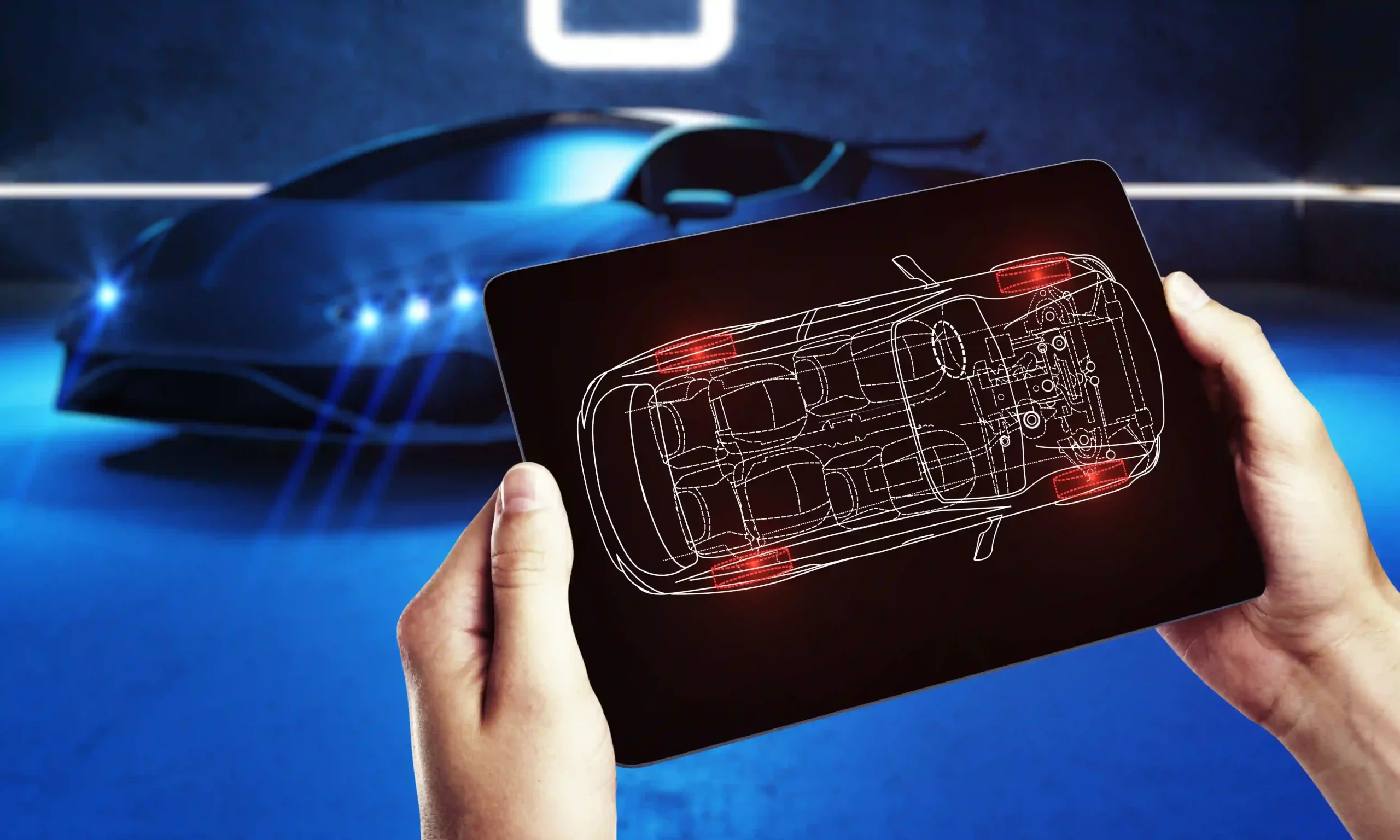
To evolve through revolution of technology is the beginning of a new epoch in the metalworking industry where there is a rush of new technologies, emerging and transforming manufacturing trends. With the aim of achieving higher efficiency, accuracy, and sustainability of the industries, metalworking businesses are increasingly discovering new technologies to further develop their operations, increase the quality of their products and have a competitive advantage. The blog is about the effect of emerging technologies on the metalworking industry and the most important trends they are creating.
1. Additive Manufacturing: The Frontier
One of the most revolutionary technologies that are affecting the metalworking business is additive manufacturing or 3D printing. This process enables the manufacturer to build up complex metal components in layers, unlike in a subtractive technique which removes material in a solid block.
The main advantages of Additive Manufacturing are
- Complex Geometries: Additive manufacturing can also be used to produce complex designs which frequently cannot be created using other methods. This enables new opportunities in the design of products.
- Personalization: 3D printing is also being used to create customized parts to fit the needs of individual applications much faster, with shorter lead times and lower inventories.
- Material Efficiency: Additive manufacturing reduces wastes in the form of unnecessary material usage since only an object needs the required material, thus making it a more sustainable choice in terms of metalworking.
2. The Internet of Things (IoT)
The Internet of Things (IoT) is transforming the field of metalworking by linking machines, tools, and systems in a network of sensors and devices. This connectivity allows real time data collection and analysis, which results in smarter manufacturing processes.
IoT has the following effect on Metalworking
- Predictive Maintenance: IoT sensors would be able to track the health and performance of equipment predicting unhealthiness before even it fails. This is a proactive measure, which saves on downtime and maintenance.
- Improved Productivity: Real-time data enables manufacturers to streamline their production lines, detect bottlenecks and increase their overall efficiency.
- Enhanced Quality Control: they engage in constant monitoring of the production parameters, which would guarantee that the output is of high quality so that its products are of a particular specification.
3. Machine Learning and Artificial Intelligence
Machine learning and Artificial Intelligence (AI) are entering into metal working processes. These technologies process huge figures of information to streamline operations, increase decision-making, and make better products.
Uses of AI and Machine Learning
Quality Assurance: AI algorithms are capable of identifying anomalies in the production data and warning of possible defectiveness before the products make it to the market. This minimizes the wastage and customer satisfaction.
Process Optimization: ML can be used to process past data, thereby optimizing the machining parameters, resulting in more efficiency and faster cycles.
Supply Chain Management: AI improves the visibility of supply chains, allowing manufacturers to react more efficiently to market changes and maintain the inventory at optimal levels.
4. Robotics and Automation
Innovation in manufacturing (metalworking) is being led by robotics and automation. The advanced robotic systems have been created to execute repetitive tasks with accuracy and speed minimising human labour.
The advantages of Robotics in Metalworking
Faster Production: Robots are capable of running round the clock, which enhances the rate of production and decreases the cycle time.
Precision and Consistency: The robots provide excellence of precision, which results in better quality of products and decreased variability in the production.
Safety Enhancements: Robots increase safety in the workplace by doing some risky assignments, which would promote accidents and injuries.
5. Advanced Materials
Another trend that is influencing the metalworking industry is the development of advanced material. Materials science innovations are contributing to the development of more durable, light, and stronger materials that are crucial to the current manufacturing needs.
Advanced Materials: The influence of advanced materials is significant because they are present in numerous products around us.<|human|>Advantage of Advanced Materials:
Performance Enhancements: The performance of products can be enhanced by use of new materials including high-strength alloys, composite materials, among others, which are applicable in very demanding applications in the aerospace, automobile, among others.
Sustainability: High-technology materials frequently consume less energy to be fabricated and have extended life, which are more sustainable manufacturing methods.
Flexibility in Design: The special characteristics of enhanced materials enable original designs that can upgrade functionalities and cut weight down.
6. Digital Twins
The digital twin technology involves establishment of a virtual copy of the physical assets, processes or systems. With this technology, manufacturers can simulate and analyse conditions in the real world, in a digital setting.
Advantages of Digital Twins
Operational Insights: Simulation of production processes allows manufacturers to find inefficiencies and streamline processes.
Predictive Analytics: Predictive maintenance reduces the cost of costly downtimes achieved by the analysis of physical assets in real time in order to be able to prevent such failures using Digital twins.
Improved Product Development Manufacturers can design and optimize products through digital twins before they are produced in real-world format, which saves time and cost incurred during the prototyping process.
7. Cloud Computing
Cloud computing is changing the process by which manufacturers can store and share data and information throughout the supply chain. Using the cloud-based systems, the metalworking firms are able to share and access information instantly, which enhances coordination and efficiency.
Impact of Cloud Computing
- Data Availability: Cloud solutions allow data to be accessed in real time with the ability to make better decisions and collaborate with teams regardless of the location.
- Cost Efficiency: Cloud computing lessens IT expenditures by lowering the obligation to use on-premises hardware and enables it to have scalable solutions.
- Improved Teamwork: Cloud computing enables communication and collaboration within various departments and locations simplifying the operations and enhancing responsiveness.
8. Blockchain Technology
The metalworking industry is entering the blockchain technology, known to be involved in cryptocurrency. This distributed registry technology improves transparency and traceability on manufacturing processes.
Benefits of Blockchain
Improved Traceability: Blockchain offers a highly safe and hack resistant way of tracing materials and components along the supply chain, and guarantees authenticity and standards.
Supply chain integrity: Blockchain will increase the trust of the parties involved, and decrease chances of fraud by capturing all the transactions on a decentralized ledger.
Better Contract Management: Blockchain-based smart contracts have the potential to automate and simplify procurement operations and ease the administrative load, thereby improving efficiency.
9. Sustainable Technologies in Energy efficiency and sustainability
With the introduction of sustainability in manufacturing, new technologies that foster energy-saving and minimization of environmental impact are spreading in the metalworking industry.
Trends in Sustainability
- Energy Management Systems: Energy monitoring technologies can be used to optimize energy use by manufacturers to save on costs and lower their carbon footprint.
- Recycling and Waste Minimization: Recycling and managing the waste is enabling metalworking companies to become part of the principles of the circular economy and minimise their use of virgin materials.
- Sustainable Manufacturing Practices: Firms are embracing practices that are more sustainable in nature including the utilization of renewable sources of energy, reduction in the use of resources.
10. Cybersecurity Measures
As the use of digital technologies is growing, cybersecurity has become one of the critical issues of the metalworking industry. New technology to improve cybersecurity procedures is necessary to defend sensitive data and their integrity of functionality.
Cybersecurity: This is essential in the metalworking industry.
Intellectual Property: Intellectual Property is safeguarded through a strong cybersecurity system to prevent a possible cyber intrusion against proprietary designs and processes.
Operational Continuity: Making connected devices and systems safe so that interference by cyber attacks does not occur, stays productive and efficient.
Regulatory Compliance: Due to increasingly tougher regulations in the area of data protection, ensuring that manufacturers adopt productive approaches to cybersecurity will aid in their adherence to the law.
Conclusion
The metalworking sector has been redefined by emerging technologies that have fuelled innovations that have improved efficiency, accuracy and sustainability. With manufacturers adopting these technologies, they are not only enhancing their capabilities in their operations, but also are putting themselves in the path of success in an already competitive world market. The metalworking companies are able to use the power of innovation to achieve success by ensuring they are ahead of these trends in order to survive in the constantly changing environment. The future of the metalworking field with the integration of additive manufacturing, IoT, AI, and other technologies will surely be shaped by new standards of perfection in the world sector.