
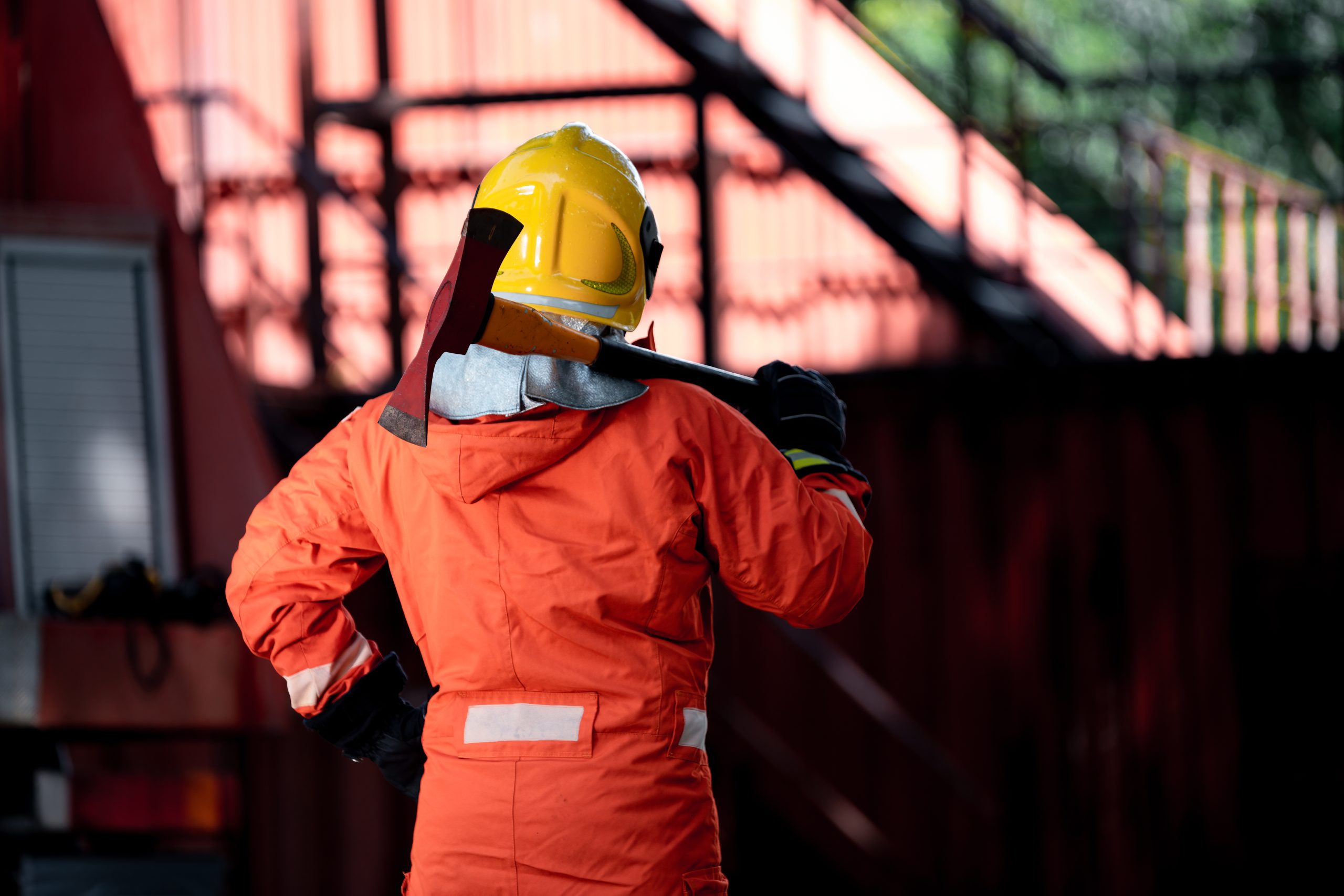
The grinding processes are part of some manufacturing activities although they are also associated with great safety hazards in case of mismanagement. It is important to know and follow the necessary safety standards to keep the workers safe and provide efficient work. The following guide is the description of the most significant safety standards related to the grinding activity, with best practices as the means of making the workplace safer.
Knowing Essential Safety Standards
Guidelines and regulations that have been put in place to reduce hazards related to grinding operations are the essential safety standards in the grinding operations. These standards are equipment safety, training of operators, personal protective equipment (PPE), and environmental concerns. Adherence to these standards does not just exist in most jurisdictions, but it is also a core component of facilitating safety in the workplace.
Some of the Major Safety Requirements in Grinding
1. Equipment Safety
The tools that are used in grinding processes should have high safety requirements to avoid accidents. This involves making sure that all the equipment is well maintained and are regularly checked and utilized per the specifications of the manufacturer. There should be safety guards that can keep the operators off the path of flying debris and also not to accidentally come in touch with a moving part. In addition, proper grinding wheels which have been approved to standard (i.e. ISO or ANSI) standards must be used to avoid failure of the wheel.
2. Operator Training
One of the most important safety aspects in the grinding operations is training. The operators are supposed to be trained thoroughly in the following areas, which include safe operating procedures, emergency response procedures, and equipment usage. Information regarding the identification of possible hazards and learning about the equipment limitation should be part of this training as well. Courses on refresher training can be used to ensure the high awareness level among the operators in regard to safety practices.
3. Personal protective Equipment (PPE)
Personal protective equipment is essential in grinding. The necessary PPE is safety glasses or face cover, hearing protection because of the high noise level, and the correct type of gloves depending on the type of grinding. Moreover, protective attires should be used to cover the operators against sparks and debris. Employers need to make certain that any PPE used is in good condition and checked on a regular basis, and that the workers are trained on how to use them.
4. Workplace Environment
Cleanliness and orderliness of workspace in the grinding operations are very crucial to the safety. Slips, trips and falls are one of the risks in the manufacturing environment that can be prevented through proper housekeeping practices. In addition, proper ventilation will help to eliminate the dangers of dust and the fumes produced during the process of grinding. Safety signage should be also used by the employers to alert of possible dangers and to remind the workers about the safety measures.
5. Emergency Procedures
The safety of the emergency process in the grinding operations is highly important and establishing clear emergency procedures ensures that the process is safe. The employees must be educated on the way to act in an emergency, be it equipment failure, fire, or injury. Frequent exercises will assist in making sure that every employee is conversant with these procedures so that a fast and efficient reaction can be taken in case of an incident.
Final Thoughts
It is crucial to observe safety standards in the basic operations of grinding so as to secure the safety of the workers and the efficient production activities. Companies by paying attention to the safety of equipment, training the operators, using personal protective equipment, ensuring a safe work environment, and defining the necessary emergency measures can allow significantly mitigating the risks of the working process related to the operations of grinding.
The benefits of the investment in safety are not only it promotes the culture of healthiness among employees, but it also increases their output and efficiency. The best practices and regulations keep changing and keeping abreast of the current safety standards and best practices will keep the grinding operations safe and effective.
Frequently Asked Questions (FAQs)
1. What are the major risks related to the grind operations?
The main hazards are exposure to flying debris, noise risks, malfunction of equipment and possible injuries as a result of mishandling of the grinding tools.
2. What is the frequency of training on safety to the operators?
The first time of safety training should be done on hiring and thereafter on a regular basis with periodic refresher training at a minimum of once a year so that the operators are always aware of the existing safety practices.
3. Which kinds of PPE are required during grinding?
Protective garments, face shields, hearing protection, gloves, and safety glasses are also necessary as PPE against sparks and debris.