
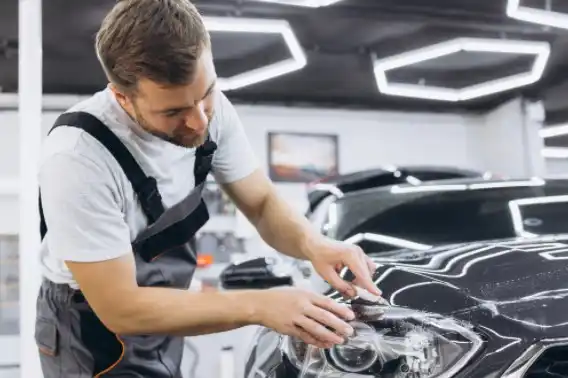
Surface finishing is an important part in manufacturing and metalworking and is a blend of both art and science, whereby it improves the functionality, durability and beauty of products. Whether it is a component of a machine or the final product to the consumer, the correct finishing methods may have a huge effect on performance and looks. This article defines the different methods of surface finishing, uses and science of surface finishing with an interest in understanding why it is important in the current manufacturing fields.
The knowledge of Surface Finishing
Surface finishing can be defined as the process of changing a surface with the aim of attaining a particular type of characteristics, such as smoothness, texture, resistance to corrosion and appearance. The techniques are critical within some fields such as automotive, aerospace, electronics, and medical devices. The decision to use the finishing method is determined by the material, properties desired and the use which the finished product is to be used.
The major objectives of surface finishing are:
Improving Aesthetics: The aesthetics of a product may affect the consumer preference and brand image.
Enhancing Performance: Some finishes will improve performance properties, e.g. wear resistance or friction reduction.
Corrosion Protection: The best finishing methods are used to allow materials to withstand the environmental conditions that may cause corrosion.
Surface Preparation: Nowadays, finishing can produce an optimum surface to be used in further operations like coating or bonding.
Usual Finishing Methods on Surfaces
1. Mechanical Finishing
Mechanical finishing processes include physical modification of a surface by means of grinding, polishing and buffing. The techniques are able to execute accurate surface profiles and enhance surface smoothness.
Grinding: This is a process that involves the use of abrasive wheels to chop out material and provide a smooth finish. It is typically applied in machining tasks and it may reach narrow tolerances.
Polishing: This is achieved by applying finer abrasives or polishing compounds as a means of improving the finish of a surface to produce a reflective surface. It is commonly applied in the car and jewelry business.
Buffing: Buffing is also used as in polishing, however soft materials are used to produce a high-gloss finish. It can be used in getting a mirror-like surface on metals.
2. Chemical Finishing
Chemical finishing is the utilization of chemical reactions to adjust the surface characteristics of products. The methods can be used to increase toughness to corrosion and modify the properties of the surface without major material loss.
Anodizing: It is an electrochemical process that adds more thickness to the natural oxide layer on the surface of aluminum enhancing corrosion and wear resistance and dyeing.
Passivation: This is common to stainless steel, where all the high iron content is removed and the surface has a greater resistance to corrosion because it forms an oxide layer on the surface.
Chemical Etching: This is a process involving the use of acids or other chemicals to remove material specifically off the surface to form patterns or textures. It has a variety of applications in electronics in circuit board manufacturing.
3. Coating Finishing
Coating processes entail the coating of the surface of a substrate using a material that improves the properties of the substrate. Coatings may be protective, decorative, or functional.
Painting: Paint may be sprayed, dipped, or brushed in place in order to improve appearance and offer corrosion protection.
Powder Coating This is done by coating the parts using a dry powder, which is then heated to create a durable coating. It is a well known one due to environmental potential as well as its capability to provide thick and even finishes.
Electroplating: This is a method that involves the deposition of a metallic layer on a surface using electrical current to enhance corrosion resistance and beauty. It is popular in the jewel and car sectors.
4. Thermal Finishing
Thermal finishing methods are the methods used to treat the material by heating to change its surface characteristics. The processes are able to boost the functioning of the components especially in high-stress applications.
Heat Treatment: It is the heating and cooling of metals to alter their physical as well as their chemical properties to enhance the hardness and strength.
Laser Surface Treatment: Laser can be applied to melt or vaporize the top surface of a substance to produce a smooth surface with improved characteristics, e.g. more hard, or less porous.
Surface Finishing: The Science
The science of materials and interactions with the environment is the key to the effectiveness of surface finishing techniques. Surface energy, roughness and chemical composition of materials are also important factors that define the final properties that are attained after finishing.
Surface Energy and Roughness
Surface energy is the energy available on the surface of a material in comparison to the bulk. It is important to ensure that coatings and finishes are done with high surface energy as it is usually associated with good adhesion properties. Roughness on the surface is measured in micrometers and influences the interaction of light with the surface, which influences the gloss and beauty of a surface.
Corrosion Resistance
It is important to know the electrochemical reactions that cause corrosion in order to use the right finishing method. As an example, electrical treatment of aluminum increases its depth and resistance to the external environment. On the same note, passivation in stainless steel enhances its oxidation resistance by encouraging the maintenance of a stable passive layer.
Adhesion and Cohesion
A finishing technique can be determined by how the finish is stuck to the substrate. Surface cleanliness, surface texture, and chemical qualities of the substrate and the finish are some of the factors that determine adhesion. It is important to prepare surfaces properly to have durable finishes.
Conclusion
Surface finishing is a part of modern manufacturing as it determines the quality of products, their performance, and appearance. Through the knowledge of the different methods and the science behind them, the manufacturers will be able to choose the best techniques to use in their applications. Both mechanical, chemical, coating and thermal finishing, good surface finishing will make the product more durable and attractive to the market, which will ultimately lead to success.
As technology keeps on advancing, new methods and technology which will be used in finishing will continue to influence the context of finishing processes, which will in turn help a manufacturer to satisfy the constantly increasing needs of consumers and not to mention the industries. Surface finishing will continue to be a critical aspect of interest to make sure that products do not just work but they also possess the best possible quality and beauty as demanded by the modern market.