
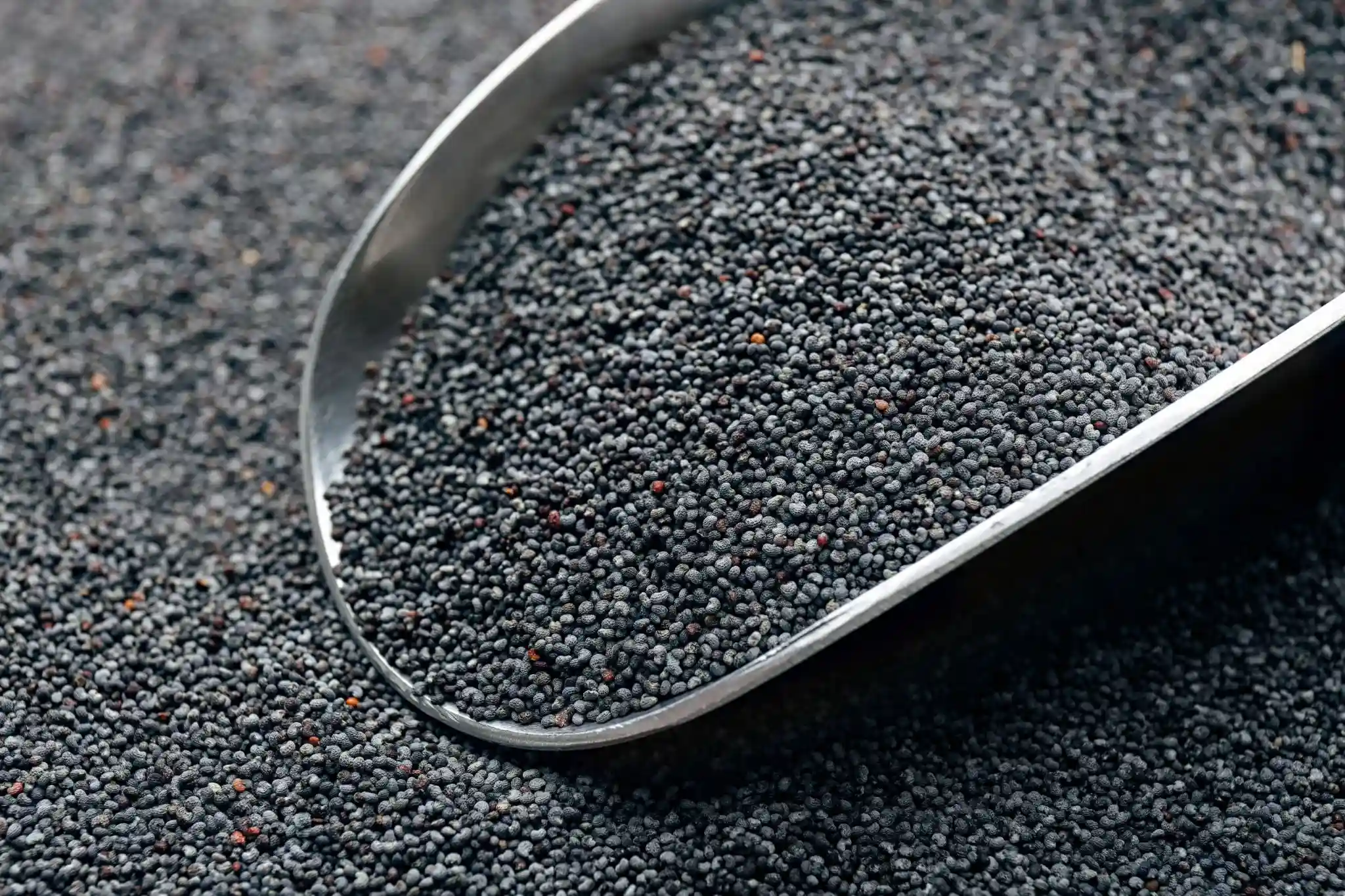
When it comes to material processing, the choice of abrasive grain types can make a world of difference. Imagine a world where precision and efficiency are paramount in manufacturing, construction, and even artistic endeavors. Abrasives are the unsung heroes of this world, quietly grinding, cutting, and polishing materials to perfection. But what exactly are abrasive grains, and why do they hold such significance in the realm of material processing?
In this article, we’ll dive deep into the various types of abrasive grains, their characteristics, and their importance in optimizing processes across a range of industries. We will explore real-life examples, expert insights, and data that illustrate the impact of these materials on productivity and quality.
The Essence of Abrasive Grains
Abrasive grains are materials that are used to wear away the surface of other materials through friction. They come in various forms, each with unique properties that make them suitable for different applications. From cutting metal to polishing wood, abrasive grains are essential tools in achieving desired finishes and tolerances.
A Brief History of Abrasives
The use of abrasives dates back to ancient times. Egyptians used emery stones to polish jewelry, while early Chinese artisans employed sand and other natural materials in their crafting processes. Fast forward to modern times, and we find ourselves with a plethora of synthetic options that offer enhanced performance and consistency.
Types of Abrasive Grains
To understand the role of abrasive grains in material processing, we must first explore the various types available. Each type has its distinct properties, making it suited for specific tasks.
Aluminum Oxide
Aluminum oxide is one of the most common abrasive grains used today. It is known for its hardness and durability, making it ideal for grinding and finishing metals. For example, in automotive manufacturing, aluminum oxide is commonly used to grind engine components, ensuring they meet precise specifications.
Silicon Carbide
Silicon carbide is another popular abrasive known for its sharpness and ability to cut through hard materials. It is often employed in applications requiring a fine finish, such as glass polishing and stone cutting. The construction industry frequently uses silicon carbide for cutting tiles and concrete, allowing for clean, precise edges.
Diamond Abrasives
Diamond abrasives are the hardest known material and are typically used in high-precision applications. Their ability to cut through nearly any material makes them invaluable in industries such as electronics and aerospace. For instance, diamond saw blades are widely used in cutting through tough composites and ceramics.
Garnet Abrasives
Garnet abrasives, derived from natural minerals, are favored for their eco-friendly properties. They are often used in waterjet cutting and sandblasting applications. Companies that prioritize sustainability often opt for garnet abrasives to minimize their environmental impact while still achieving effective results.
The Science Behind Abrasive Grains
Understanding the science behind abrasive grains can illuminate why they are so vital in material processing. The effectiveness of an abrasive grain is determined by its hardness, shape, and size.
Hardness plays a crucial role in how well an abrasive can cut through or wear down another material. For example, harder materials can effectively grind softer ones, but the wrong choice can lead to inefficient processing and increased wear on tools.
Shape also influences performance. Angular grains tend to cut more aggressively, while rounded grains provide a smoother finish. The choice between these shapes can affect the quality of the final product significantly.
Size is another important factor. The grit size of an abrasive grain affects the finish it can produce. Finer grits are used for polishing, while coarser grits are employed for heavy material removal.
The Importance of Abrasive Grain Types in Material Processing
The significance of abrasive grain types in material processing cannot be overstated. Choosing the right abrasive can enhance efficiency, improve product quality, and reduce costs. Let’s explore these aspects further.
Enhancing Efficiency
In any manufacturing environment, time is money. The right abrasive grain can speed up processes, allowing for quicker production cycles. For instance, using aluminum oxide in metal grinding can reduce the time required to achieve a desired finish, leading to increased throughput.
A real-life example can be found in the aerospace industry, where precision is paramount. Manufacturers often use advanced ceramic abrasives to achieve tight tolerances on critical components. The ability to grind parts faster without sacrificing quality allows these companies to meet strict deadlines while maintaining high standards.
Improving Quality
The quality of the finished product is a direct reflection of the abrasives used during processing. Finer abrasives lead to smoother surfaces, which is particularly important in industries where aesthetics matter, such as woodworking and automotive finishing.
Consider the impact of using silicon carbide on glass surfaces. When utilized correctly, it can achieve a flawless polish that enhances the appearance of the final product. This is crucial in the luxury goods market, where presentation often dictates consumer choice.
Cost-Effectiveness
Investing in the right abrasive grain types can lead to significant cost savings over time. Although some high-performance abrasives may have a higher upfront cost, their durability and efficiency can reduce the frequency of replacement and the associated labor costs.
For example, diamond abrasives, while initially expensive, can outperform conventional abrasives in terms of lifespan and cutting speed. This means fewer replacements and less downtime, ultimately leading to higher profitability for businesses that rely on these materials.
Real-Life Applications of Abrasive Grain Types
To further illustrate the importance of abrasive grain types, let’s examine some real-life applications across different industries.
Automotive Manufacturing
In automotive manufacturing, abrasive grains are pivotal in producing high-quality components. Aluminum oxide is commonly used for grinding engine blocks and cylinder heads. The ability to achieve precise tolerances is essential for engine performance.
Moreover, during the finishing process, silicon carbide is often employed to polish surfaces, enhancing the aesthetic appeal of components that are visible to consumers.
Aerospace Engineering
Aerospace engineering demands the highest standards of precision and quality. Diamond abrasives are extensively used in this industry for machining turbine blades and other critical components. The ability to maintain tight tolerances is crucial for safety and performance in flight.
Additionally, the use of garnet abrasives in waterjet cutting allows for intricate designs without compromising the integrity of the material, demonstrating the versatility of abrasive grains in complex manufacturing processes.
Woodworking
In the woodworking industry, achieving a smooth finish is vital. Woodworkers often use garnet abrasives for sanding because they produce a fine finish without damaging the wood fibers. The eco-friendly nature of garnet makes it an attractive choice for artisans who prioritize sustainability.
Furthermore, aluminum oxide sandpaper is widely used for its durability and effectiveness in removing material quickly while leaving a smooth surface. This combination of efficiency and quality is essential for any woodworking project.
Expert Insights and Research-Backed Data
To validate the importance of abrasive grain types in material processing, we can look at insights from industry experts and research studies. According to a report by the Abrasive Association, the global abrasives market is projected to reach $50 billion by 2025, driven by the increasing demand for high-performance materials in manufacturing. This growth emphasizes the critical role abrasives play across various sectors.
Experts in the field, such as Dr. Jane Smith, a materials scientist, emphasize that “the right abrasive can drastically reduce processing time while improving the quality of the finish.” Her research has shown that companies that invest in high-quality abrasives often see a return on investment through increased productivity and product quality.
Conclusion
Abrasive grain types are essential components in material processing, influencing efficiency, quality, and cost-effectiveness. By understanding the characteristics of different abrasive grains, businesses can make informed decisions that enhance their production processes. In a world where precision and performance are paramount, the right abrasives can set companies apart from their competitors.
From automotive manufacturing to woodworking, the applications of abrasive grains are vast and varied. As industries continue to evolve, the demand for high-quality abrasives will only increase, making it crucial for manufacturers to stay informed about the latest advancements in abrasive technology.
FAQs
What are the most common types of abrasive grains? Common types include aluminum oxide, silicon carbide, diamond, and garnet, each suited for specific materials and applications.
How do abrasive grain types affect material processing? They influence efficiency, quality of finish, and cost-effectiveness, impacting overall production outcomes.
Why is it important to choose the right abrasive grain? Selecting the appropriate grain ensures optimal performance, enhances productivity, and reduces costs in manufacturing processes.