
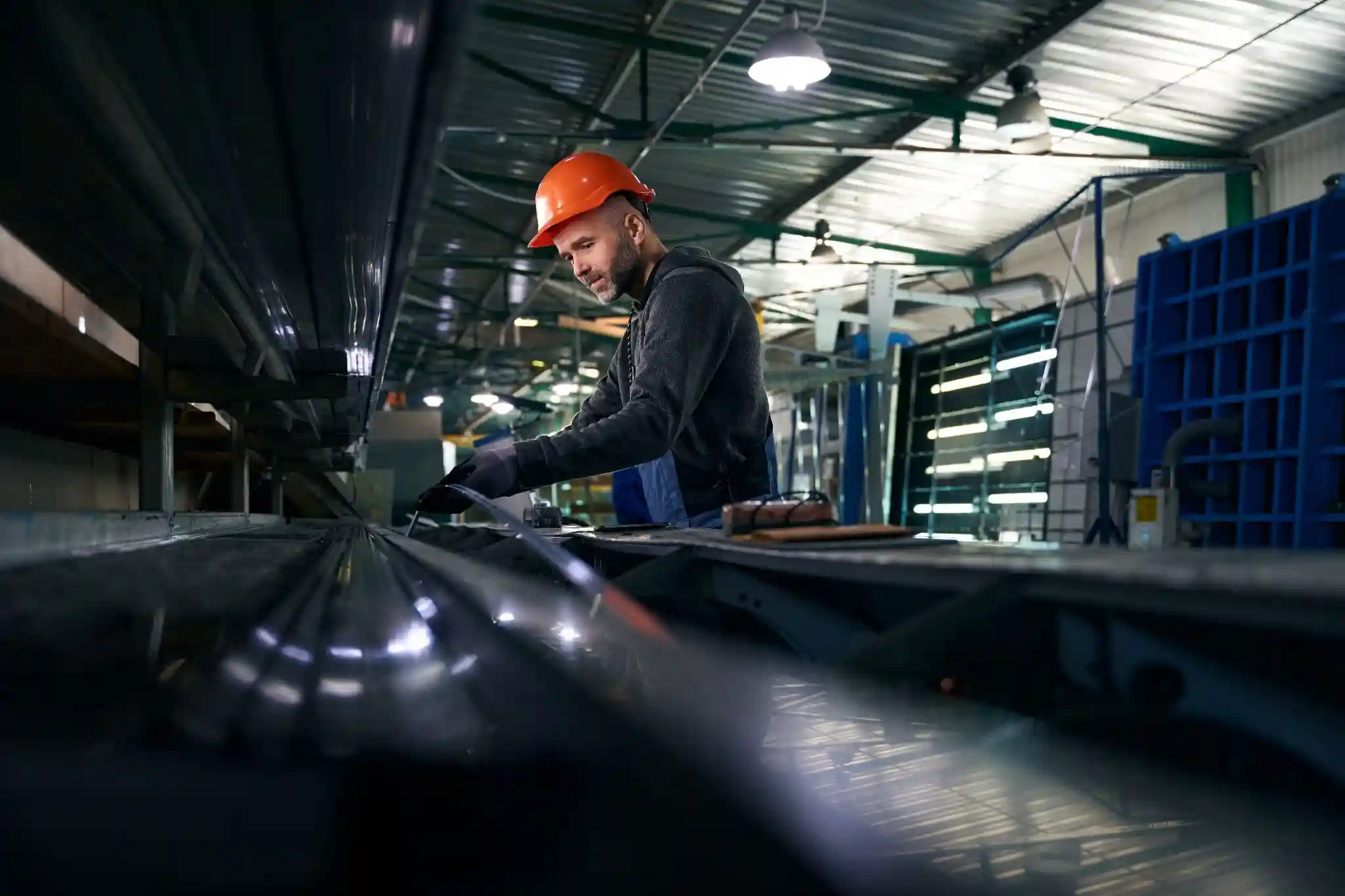
In today’s competitive manufacturing landscape, efficiency and cost reduction are more than just goals; they are essential for survival. As companies strive to stay ahead, lean manufacturing emerges as a beacon of hope. This methodology is designed not merely to cut costs but to create value for customers while enhancing organizational efficiency. With the right lean manufacturing tips, businesses can streamline their processes, eliminate waste, and ultimately thrive in a fast-paced environment.
Understanding Lean Manufacturing
At its core, lean manufacturing is about optimizing processes by eliminating waste—anything that does not add value to the product or service. But what does that really mean? Lean practices originated from the Toyota Production System. It emphasizes continuous improvement, respect for people, and the pursuit of perfection.
The benefits of implementing lean manufacturing are profound. Companies can reduce lead times, improve product quality, and foster a culture of continuous improvement. In an age where customers demand higher quality at lower prices, adopting lean principles is not just beneficial; it’s necessary.
Identifying Waste in Production
One of the first steps toward adopting lean manufacturing principles is identifying waste. Waste can take many forms in a manufacturing environment. There are seven categories of waste to consider: overproduction, waiting, transport, extra processing, inventory, motion, and defects. Each of these wastes can drain resources and hinder productivity.
Types of Waste in Manufacturing
Overproduction occurs when more products are made than are needed, leading to excess inventory that ties up cash and space. Waiting happens when processes are delayed, causing idle time for workers and equipment. Transport waste includes unnecessary movement of materials, which can lead to higher costs and longer lead times. Extra processing refers to steps in the production process that do not add value, while inventory waste involves holding more materials than necessary. Motion waste is the unnecessary movement of people or equipment, and defects refer to products that do not meet quality standards, requiring rework or scrap.
Methods to Identify Waste
Identifying waste is essential to improving efficiency. Value stream mapping is a powerful tool for visualizing the flow of materials and information throughout the manufacturing process. It allows teams to pinpoint waste areas and develop strategies for improvement. Another effective method is the 5 Whys technique, which involves asking “why” multiple times until the root cause of a problem is identified. For example, if production is delayed, asking “Why?” repeatedly can reveal deeper issues, such as equipment failure or inadequate staffing levels.
A real-life case study from a mid-sized automotive manufacturer illustrates how waste identification can lead to significant improvements. By employing value stream mapping, the company discovered that excessive waiting times in their assembly line were caused by a bottleneck in one area. Addressing this bottleneck led to a 30% reduction in lead time and a dramatic increase in productivity.
Streamlining Work Processes
Once waste has been identified, the next step is streamlining work processes. This involves creating efficient workflows that maximize productivity while minimizing waste.
Standardizing Work Procedures
Standardization is a cornerstone of lean manufacturing. By developing clear standard operating procedures (SOPs), organizations can ensure consistency in their processes. This not only helps in maintaining quality but also reduces training time for new employees. Effective SOPs should be simple, concise, and easily accessible. They should outline each step of the process, including who is responsible for each task and the expected outcomes.
Implementing Just-In-Time (JIT) Production
Just-In-Time production is another key lean principle. JIT aims to produce only what is needed, when it is needed, and in the amount needed. This approach minimizes inventory costs and reduces waste. For instance, a furniture manufacturer using JIT can coordinate with suppliers to deliver materials just before they are required on the assembly line, significantly lowering storage costs and minimizing the risk of excess inventory.
Implementing JIT requires robust communication and coordination with suppliers. It encourages a close relationship with vendors to ensure timely deliveries. This can lead to improved quality and reduced costs, as companies are not paying for materials that sit idle.
Enhancing Employee Engagement
Engaging employees in the lean process is crucial for success. When team members feel involved and valued, they are more likely to contribute to continuous improvement efforts.
Training and Development
Training is essential for fostering a culture of lean manufacturing. Employees should be educated about lean principles and encouraged to identify areas for improvement within their own work processes. Regular training sessions can keep the team informed about new techniques and technologies that enhance efficiency.
A manufacturing plant in the electronics sector adopted a comprehensive training program that empowered employees to suggest improvements. As a result, the company saw a 20% increase in productivity and a noticeable boost in employee morale.
Creating a Lean Culture
Creating a culture that embraces lean manufacturing principles involves more than just training; it requires a shift in mindset. Leaders must encourage a culture of continuous improvement where employees feel free to voice their ideas and concerns. Regular meetings that celebrate successes and discuss challenges can help foster this environment. Recognizing and rewarding teams for their contributions to lean initiatives can further motivate employees to engage in the process.
Utilizing Technology in Lean Manufacturing
Technology plays a crucial role in supporting lean manufacturing practices. By leveraging the right tools, organizations can enhance their efficiency and responsiveness.
Automation and Lean Principles
Automation can streamline processes and reduce human error. For example, automated assembly lines can increase production speeds while maintaining quality standards. However, it’s important to integrate automation thoughtfully. The goal should be to enhance human capabilities, not replace them.
A case study from a major consumer goods manufacturer illustrates how automation can complement lean practices. By automating repetitive tasks, the company freed up employees to focus on more complex and value-added activities, leading to a reduction in lead times and an improvement in overall efficiency.
Data-Driven Decision Making
Data analytics is another powerful tool for lean manufacturing. By analyzing production data, companies can identify trends, monitor performance, and make informed decisions. This data-driven approach helps organizations pinpoint inefficiencies and develop targeted strategies for improvement.
For instance, a food processing plant implemented data analytics to track production metrics in real-time. This enabled the management team to quickly identify issues and make adjustments, resulting in a 15% reduction in waste and a significant increase in throughput.
Measuring Success in Lean Implementation
To ensure that lean initiatives are successful, organizations must measure their progress. This involves defining clear metrics and KPIs that align with lean goals.
Key Performance Indicators (KPIs)
KPIs are essential for tracking the effectiveness of lean manufacturing practices. Common KPIs include lead time, production efficiency, inventory turnover, and defect rates. By regularly monitoring these metrics, organizations can assess their progress and identify areas for further improvement.
Setting up a dashboard that visualizes these KPIs can provide real-time insights into performance, allowing for quick adjustments as needed.
Continuous Improvement Methodologies
Continuous improvement methodologies, such as Kaizen and Six Sigma, are integral to lean manufacturing. Kaizen focuses on small, incremental changes that can lead to significant improvements over time. On the other hand, Six Sigma emphasizes reducing process variation and improving quality.
A manufacturing company that adopted Kaizen initiatives found that small changes made by employees on the shop floor led to improved workflows and cost savings. By empowering workers to suggest improvements, the company fostered a culture of engagement and continuous learning.
Conclusion
Embracing lean manufacturing is not just a strategy; it’s a mindset. The journey to efficiency and cost reduction involves understanding waste, streamlining processes, engaging employees, leveraging technology, and continuously measuring success. The lean principles provide a roadmap for organizations looking to thrive in today’s competitive landscape.
By implementing these lean manufacturing tips, businesses can create a culture of continuous improvement that not only enhances productivity but also fosters a sense of pride and ownership among employees.
As you embark on your lean manufacturing journey, remember that the path to efficiency is paved with collaboration, innovation, and a commitment to excellence.
FAQs
What are the key benefits of lean manufacturing? Lean manufacturing helps companies reduce waste, improve efficiency, and enhance product quality, leading to increased customer satisfaction and profitability.
How can I identify waste in my production process? Using tools like value stream mapping and the 5 Whys technique can help pinpoint areas of waste and improve overall efficiency.
What role does employee engagement play in lean manufacturing? Engaged employees are more likely to contribute to continuous improvement efforts, leading to better outcomes and a positive workplace culture.