
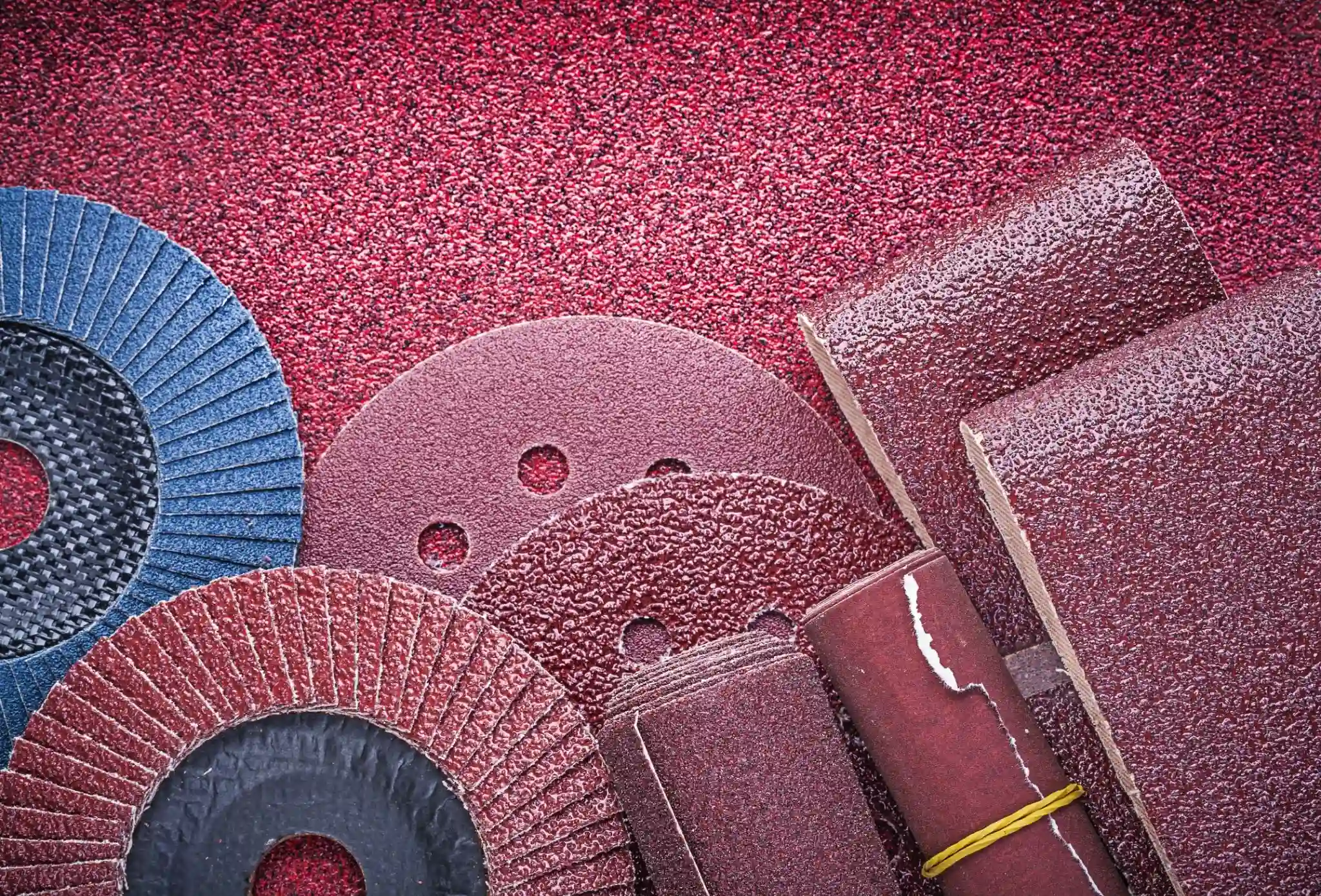
In the context of shaping, smoothing and polishing, abrasive materials are silent yet critical materials in the manufacturing process and in our daily lives. Whether to use natural abrasive materials or synthetic ones is more than a technical discussion of both but it affects operational effectiveness, sustainability and the quality of the end product. Here is a trip where we can bust the myths around both types, look at actual performances and highlight the differences between the two possibilities.
The Classical Importance of Natural Abrasive Materials
Before the major industry players went automated and automated the production line, there were skilled artisans and craftsmen who depended on the resources of the earth to grind, cut, and finish their products. Natural abrasive materials are obtained directly out of minerals or organic origins, and only nature and simple processing change their forms.
Common Natural Abrasives
-
Emery: A black and rough mixture of minerals containing a lot of corundum, an ideal cleaning and deburring tool.
-
Garnet: This one is sharp and durable, which is sandblastable and waterjet cutting.
-
Sandstone: It is a product of compacted sand and it was employed in the grinding wheels in the past.
-
Quartz: This is a fine abrasive that is stable and very much used on delicate finishing.
-
Pumice: Volcanic with a very light weight – best in polishing and refining the surface.
-
Diamond (natural): The hardest material, and was previously the fashionable one to use in cutting and polishing stone and ceramics.
These ancient abrasives were used in sculpting ancient jewelry to the hulls of ships. Some people are still popular in the hands of craftsmen today because of their natural feel and being environmentally friendly.
Synthetic options: performance based engineering
The modern industry usually demands performance that is much above what nature provides. Synthetic abrasives are produced by using chemical techniques and are therefore made to provide consistency, longevity as well as specialty properties to meet high-tech requirements.
Usually used Synthetic Abrasive Materials
-
Aluminum Oxide: Hard and versatile and is mostly used in grinding metals.
-
Silicon Carbide: This is very hard and sharp, popular with difficult and brittle materials.
-
Synthetic Diamond: Cultivated in factories in order to optimum hardness and consistency- required in electronics and finely engineered machinery.
-
Cubic Boron Nitride (CBN): It is the second hardest material after diamond; which is essential in the machining of high-speed steel and exotic alloys.
What is interesting is the fact that the synthetic abrasives are reliable. Their properties can be in any exact proportion- of shape, size, hardness and friability, to suit almost any industrial need.
A Direct Comparison: Cost, Impact, and Performance
1. Grinding Performance and Consistency
The natural abrasives are not predictable at times. Different batches are different in purity and hardness. In activities in which speed is secondary to fineness, such as woodworking or restoring works of art, such little anomalies may actually be more natural.
Synthetic abrasives, on the contrary, have a smooth surface. Their forecastable grains make automated processes to execute quicker, reduce defects, and provide the same finish over and over again. A 2025 Journal of Industrial Grinding study revealed that synthetic wheels had 34 percent stricter tolerances in regard to the roughness of the surface as compared to their natural competitors in the mass production.
2. Longevity & Efficiency
A synthetic grinding wheel is often of high quality, and thus it generally lasts longer than a natural one, particularly in high to intensity processes like aerospace or medical device production. As an example, replacement of synthetic tools at a major semiconductor facility with synthetic diamond tools resulted in more than 45 percent greater tool life, leading to tremendous downtime and part-to-part expense reductions.
Nevertheless, natural abrasives are still used preferentially in lower volume stores, or on specialty work. They have a softer touch and therefore, can minimize the chances of micro-cracks or marring on delicate surfaces.
3. Environmental and Health Condition
Natural abrasive materials are advantaged in the area of eco-friendliness. They are not toxic, biodegradable and in many cases, they are produced with less energy.
With that said, the sustainability of synthetic abrasives is rapidly increasing. The manufacturers are not only investing in recycling schemes and greener chemistries. A 2026 environmental review found that up to 38% of synthetic abrasive waste is now used in new products, in certain areas.
4. Application Versatility
When high hardness is required, as well as chemical resistance, or more complicated grain shapes to be ground with automated or robotic tools, synthetic options cannot be beaten. This demand has been increased by the emergence of additive manufacturing and smart factories.
Nevertheless, the niche applications maintain the natural abrasives in the limelight. One example is glass artists who prefer a soft surface finish using pumice so as not to change the nature of their work.
Experts Point of View: Voices of the Field
An employee with a senior position at Precision Finishing Solutions, Emily Kosar, states:
Synthetic abrasives are a must where processes that demand one micron are involved. However, with restoration or artisan work, natural materials provide a finish and touch that can just not be duplicated.
In the meantime, sustainability expert Dr. Karthik Menon observes that the carbon footprint of garnet mining, when properly handled, can be just as competitive with traditional synthetic production in certain instances, even better. The green abrasives are also forming new markets in which consumers and industries favor sustainability.
Featured Snippet:
What is the distinction between the natural and synthetic abrasive materials?
Minerals such as garnet, emery and quartz are used to obtain natural abrasive materials that are eco-friendly and can be used in delicate work. Synthetic abrasives are designed to be consistent and hard, and they are useful in the high volume, precision industrial operations.
What is the most important thing? Making the Right Choice
Which is the best option of the abrasive, then? The solution lies in your profoundly personal project or operation:
-
In case your work ethics are founded on authenticity, delicacy, and environmental consciousness, the natural abrasives might be your vocation.
-
Synthetic abrasives are frequently the more intelligent business choice when it comes to speed and high durability and extreme consistency.
A large number of industries currently combine both; natural abrasives on finishing touches, and synthetics on bulk material removal or material roughing.
The Future: Technological and Peaceful Progress
The border between nature and artificial life is fading quickly. The hybrid abrasives, i.e. the combination of natural grains with synthetic bonds, are entering the market. These give it more regular cuts without sacrificing certain natural properties which artisans treasure. With the increase in sustainability targets, continued increases in more ethically sourced natural abrasives and green synthetic alternatives are also to be expected.
In 2026 market projection, sustainability in abrasive products indicated a growth of 12 percent a year considering the new regulation and changing customer expectation.
Frequently Asked Questions
Are natural abrasive substances durable as compared to synthetic?
Not necessarily- synthetic abrasives would be more likely to remain longer in the industry. Nevertheless, in light duty activity or in fragile finishing, natural abrasives could do better as they are less aggressive and softer.
Which are the still popular industries that use natural abrasives?
Art restoration, furniture, jewellery making, and a few manufacturers who are eco-conscious are more prone to natural abrasives due to their gentle performance and sustainability attributes, particularly where it is not necessary to make a high-speed grind.
Do natural abrasives make the earth citizens better?
Generally, yes. They do not need much energy to make, they are not toxic and in many cases they are biodegradable. The sourcing and mining process also counts, and therefore seeks suppliers that are conscientious in the environment.