
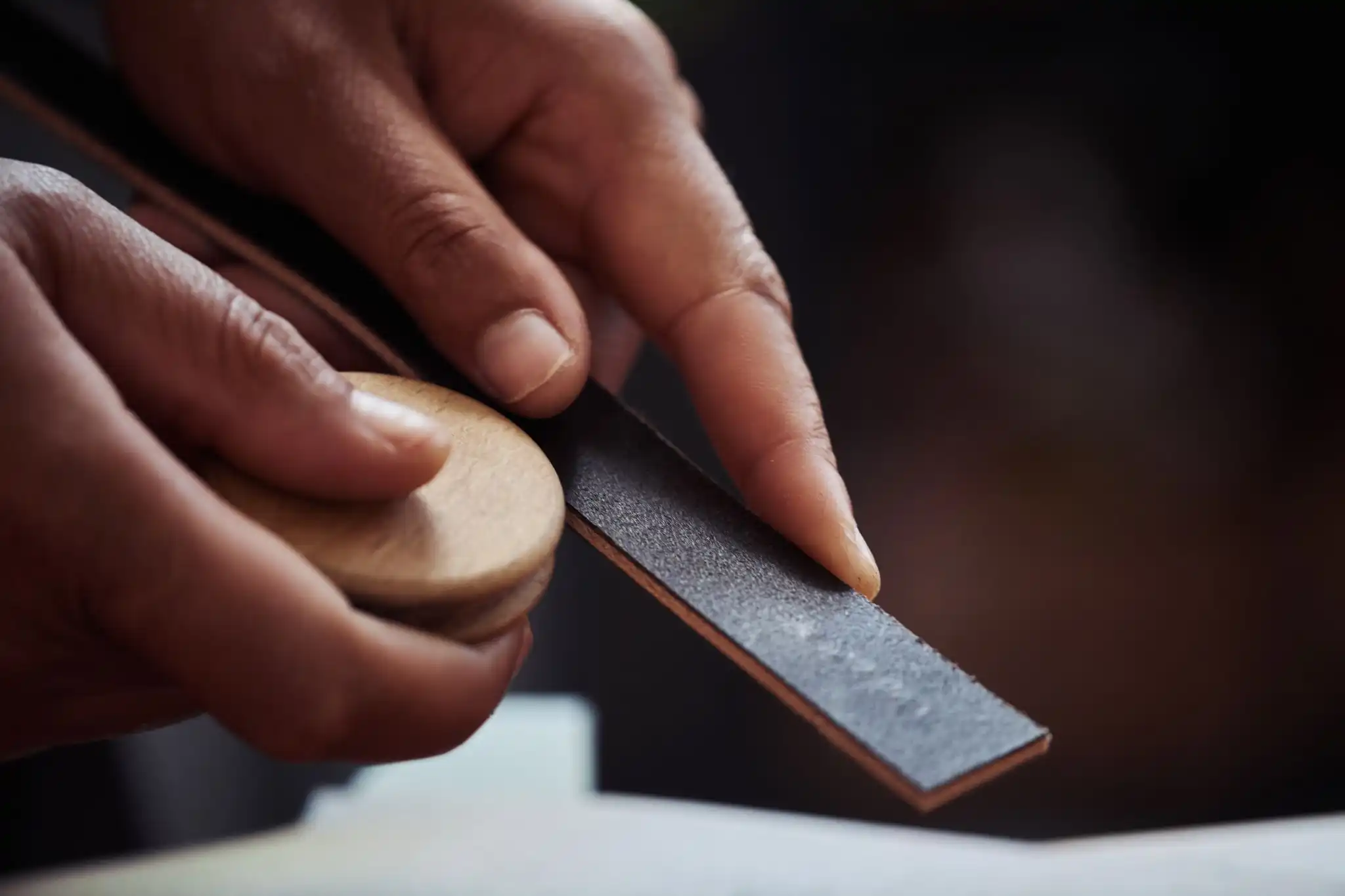
There is something deeply satisfying about working with a perfectly sharp tool. The cut feels effortless. The surface looks clean. The tool responds exactly the way your hands expect. But when edges dull, everything changes. Cuts become rough. Machines strain. Accuracy disappears. This tool sharpening guide is designed to help you understand not only how to sharpen tools, but why precision sharpening determines durability, safety, and performance. Whether you work with woodworking chisels, drill bits, planer blades, lawn equipment, or industrial cutting tools, sharpening is not just maintenance. It is performance engineering.
Modern manufacturing data shows that properly maintained cutting tools can extend operational life by up to 40 percent while reducing energy consumption significantly. That is not just a workshop benefit. It is a business advantage.
Why Sharp Tools Matter More Than You Think
A dull blade forces you to apply more pressure. More pressure increases friction. Increased friction generates heat. Heat weakens metal structure and accelerates wear.
In industrial machining environments, excessive heat can even alter the metallurgical integrity of high-speed steel and carbide tools. In woodworking, dull blades cause tear-out, splintering, and inaccurate joinery. In gardening, dull shears crush stems rather than slicing cleanly, making plants more vulnerable to disease.
Sharp tools cut cleanly. They require less force. They protect materials and improve results. More importantly, sharp tools are safer. Studies in occupational safety consistently show that dull tools increase accident risk because operators compensate with added force and unstable handling.
Understanding Edge Geometry and Cutting Angles
Sharpening is not simply grinding metal away. It is about restoring the correct geometry. Every tool has an optimal bevel angle. Wood chisels typically range between 25 and 30 degrees. Kitchen knives vary from 15 to 20 degrees depending on their purpose. Drill bits require precise angle symmetry to maintain centering and cutting efficiency. When angles shift, performance drops. A steeper angle increases durability but reduces cutting ease. A shallower angle slices efficiently but dulls faster. Precision sharpening balances strength and sharpness.
Primary and Secondary Bevels
Many high-performance tools use a two-stage bevel system. The primary bevel establishes the main cutting angle. The secondary micro-bevel refines the edge and enhances durability. This micro-bevel technique is widely used in professional woodworking because it speeds up sharpening and strengthens the edge.
Burr Formation and Edge Refinement
During sharpening, a burr forms on the opposite side of the edge. This tiny fold of metal signals that material has been removed evenly. Removing the burr correctly ensures a crisp, durable edge. Skipping burr removal leaves weak metal that folds during use. That shortens edge life dramatically.
Choosing the Right Sharpening Method
Not all tools require the same sharpening process. The method depends on tool material, intended use, and required precision.
Whetstones and Water Stones
Whetstones remain one of the most precise sharpening methods available. They allow controlled abrasion and refined edge finishing. Professional chefs and fine woodworkers prefer water stones because they produce razor-sharp edges while preserving tool integrity.
Grinding Wheels and Bench Grinders
Bench grinders are efficient for reshaping damaged edges. However, they generate heat quickly. Without cooling techniques, overheating can reduce hardness. In industrial workshops, coolant systems are often integrated into grinding setups to prevent thermal damage.
Diamond Plates
Diamond sharpening plates cut aggressively and stay flat over time. They are ideal for carbide tools and hardened steel. Because of their durability and consistency, diamond abrasives are increasingly used in professional tool maintenance environments.
Honing Guides and Precision Systems
For beginners and professionals alike, honing guides ensure consistent angles. Even small deviations can affect cutting performance. Precision systems reduce guesswork and increase repeatability.
Step-by-Step Sharpening Fundamentals
Sharpening begins with inspection. Identify chips, rounded edges, or uneven wear. Light damage may only require honing. Deep chips may need grinding. Secure the tool. Establish the correct angle. Begin with a coarse abrasive if reshaping is necessary. Progress gradually to finer grits. Refinement is crucial. Jumping from coarse to very fine stones leaves deep scratches that weaken the edge. Proper grit progression strengthens the final result. Finish with polishing or stropping. Stropping aligns microscopic edge teeth and enhances cutting smoothness. This sequence may sound simple, but consistency defines success.
The Role of Abrasives in Tool Performance
Abrasive selection directly affects sharpening efficiency and tool lifespan. Aluminum oxide abrasives are common for general steel tools. Silicon carbide cuts harder materials efficiently. Diamond abrasives excel with carbide and extremely hard alloys. Recent advancements in abrasive technology have improved grain uniformity, allowing more predictable cutting patterns. This reduces micro-fractures along the edge. In high-precision industries such as aerospace machining, advanced ceramic abrasives are often used because they maintain shape and cut cooler than traditional materials.
Heat Control and Metallurgical Integrity
One of the most overlooked aspects of sharpening is heat management. Excess heat can draw temper from hardened steel, reducing hardness permanently. You may notice discoloration on metal edges. Blue or straw colors indicate overheating. Once temper is lost, the edge dulls quickly. Using light pressure, maintaining consistent motion, and cooling tools in water during grinding reduces thermal risk. Industrial data confirms that temperature control during grinding directly correlates with tool longevity.
Sharpening Different Tool Types
Each category of tool demands specific sharpening considerations.
Woodworking Tools
Chisels, hand planes, and carving tools require flat backs and precise bevels. Flatness ensures clean cuts and tight joinery. Professional woodworkers often polish backs to a mirror finish because surface smoothness affects edge quality.
Metalworking Tools
Drill bits, lathe tools, and milling cutters demand geometric precision. Uneven sharpening causes vibration and inaccurate cuts. CNC environments increasingly rely on automated tool grinding systems for repeatability. However, understanding manual principles remains essential.
Garden and Outdoor Tools
Axes, pruning shears, and lawn mower blades benefit from durable, slightly thicker edges. They must resist impact with dirt and debris. Sharpening these tools too finely may reduce durability. A balanced, slightly convex edge often performs best.
Frequency of Sharpening and Preventive Maintenance
Waiting until a tool is completely dull shortens its life. Regular maintenance prevents excessive material removal. Light honing after moderate use maintains sharpness and reduces the need for aggressive grinding. In industrial production lines, predictive maintenance schedules track tool wear to optimize sharpening intervals. This approach reduces downtime and maximizes efficiency.
Real-Life Workshop Example
A furniture manufacturing company once struggled with rough finishes and increased sanding time. After auditing their workflow, they discovered cutting tools were sharpened inconsistently. By implementing standardized sharpening protocols and training staff, surface quality improved dramatically. Sanding time decreased by nearly 20 percent. Tool replacement costs dropped as well.
Safety Considerations During Sharpening
Sharp tools are safer in use, but sharpening itself requires caution. Always secure tools properly. Wear eye protection. Avoid loose clothing around rotating equipment. Maintain stable footing and clear workspace conditions. Professional environments implement strict grinding safety protocols to prevent injury and protect equipment.
Modern Technology in Tool Sharpening
Automation is reshaping sharpening practices. CNC tool grinders provide micron-level accuracy. Digital angle measurement tools ensure precise bevel control. Laser measurement systems analyze edge geometry in advanced manufacturing facilities. Despite technological advancements, manual sharpening skills remain valuable. They offer flexibility and deeper understanding of tool behavior.
Sustainability and Cost Efficiency
Sharpening tools instead of replacing them reduces material waste. It lowers manufacturing demand for new tools and minimizes environmental impact. Companies focused on sustainability increasingly incorporate tool reconditioning programs into their operational strategies. Sharpening extends product life cycles. That aligns with modern environmental goals and cost-saving initiatives.
The Future of Tool Sharpening
As industries adopt Industry 4.0 technologies, sharpening will integrate more predictive analytics. Sensors may soon monitor tool wear in real time and trigger automated reconditioning processes. Yet the fundamentals will remain unchanged. A sharp edge will always depend on precision geometry, controlled abrasion, and careful refinement. Technology enhances sharpening. It does not replace craftsmanship.
Conclusion
A sharp tool is more than a convenience. It is a performance multiplier. It improves safety, efficiency, durability, and results. This tool sharpening guide demonstrates that sharpening is both science and skill. From understanding bevel angles to selecting abrasives and managing heat, every step influences outcome. Whether you work in a professional shop or a home garage, investing time in precision sharpening pays dividends in durability and high performance. Sharp tools do not just cut better. They work smarter.
FAQs
How often should tools be sharpened for best performance?
The frequency depends on usage intensity and material type. Light honing after moderate use maintains sharpness and prevents excessive wear. Industrial environments often follow scheduled maintenance intervals. Regular sharpening reduces the need for aggressive grinding and extends tool lifespan significantly while ensuring consistent cutting performance.
Can sharpening weaken a tool over time?
Improper sharpening can reduce durability, especially if excessive material is removed or overheating occurs. However, correct sharpening techniques preserve structural integrity. Using proper angles, cooling methods, and gradual grit progression ensures the tool maintains strength and performs efficiently across repeated sharpening cycles.
What is the best sharpening method for beginners?
For beginners, whetstones combined with a honing guide offer excellent control and precision. This method teaches proper angle consistency and edge awareness. Starting with medium grit stones and progressing to finer grits helps develop sharpening skills safely while achieving professional-level results over time.
Does sharpening improve energy efficiency in power tools?
Yes, sharpening significantly improves energy efficiency. Sharp cutting edges reduce friction and resistance during operation. This lowers motor strain in power tools and decreases electricity consumption. In industrial environments, properly sharpened tools can reduce load demand, minimize heat buildup, and extend machine lifespan while improving overall operational efficiency and productivity.