
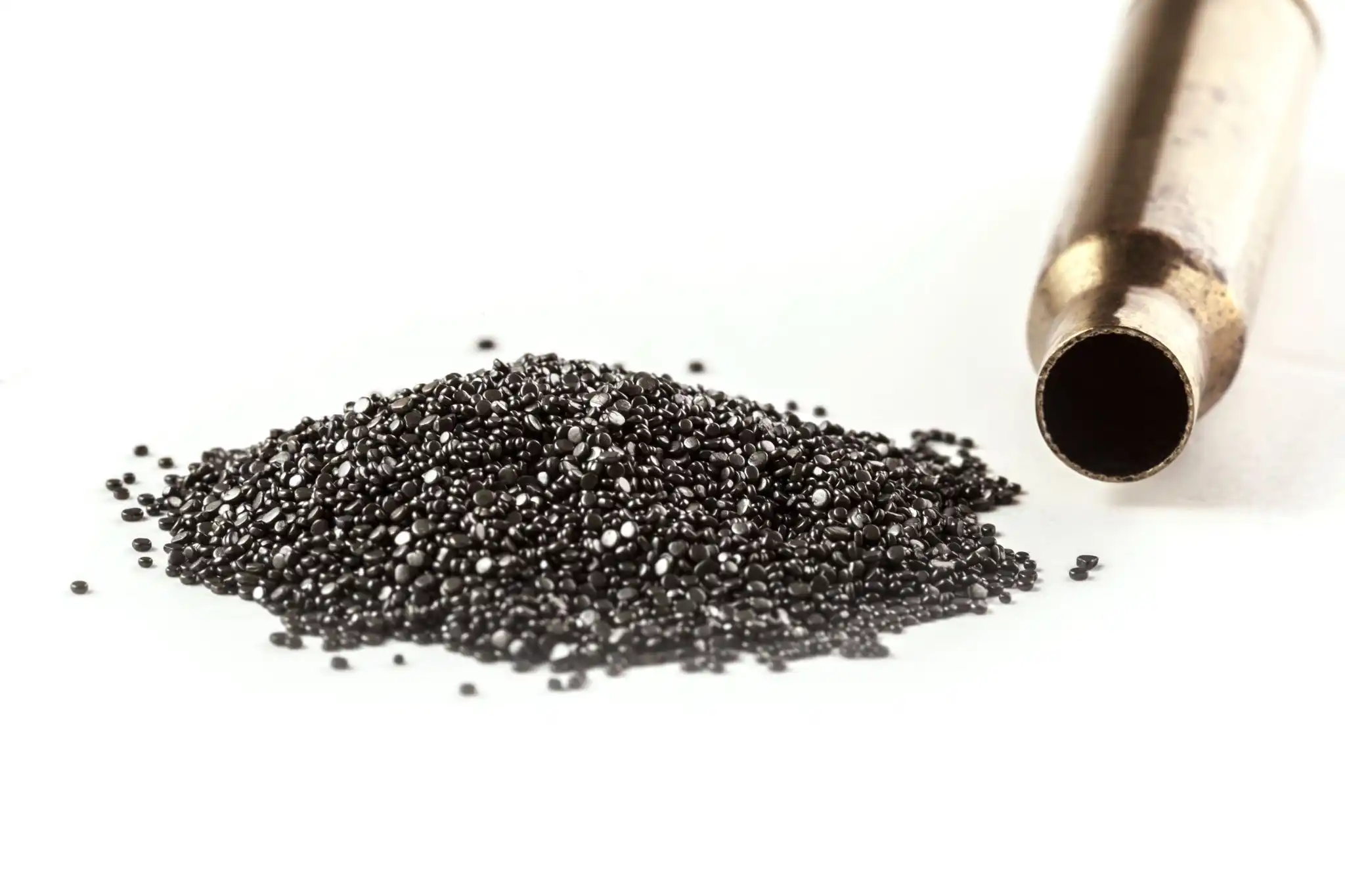
Selecting the right abrasive grain type is crucial for achieving optimal results in various applications, from manufacturing to crafts. The choice of abrasive grain affects not only the efficiency of the machining process but also the quality of the finished product. Abrasives can be found in countless forms and are integral to various industries, including metalworking, woodworking, and construction. But what are the key properties to consider when selecting an abrasive grain type? In this comprehensive guide, we will explore the important factors that influence the selection process, supported by real-life examples and expert insights.
Understanding Abrasive Grains
To appreciate the importance of selecting the right abrasive grain type, it’s essential to understand what abrasive grains are and how they function. Abrasive grains are hard particles used to wear away material through rubbing, grinding, or polishing. They come in various materials, shapes, and sizes, each suited for specific applications. The effectiveness of an abrasive grain is determined by its hardness, toughness, and shape, among other properties.
The Role of Abrasive Grains in Industry
Abrasive grains play a vital role across multiple industries. For example, in metalworking, the right abrasive can determine the efficiency of cutting and finishing processes. In woodworking, selecting the appropriate grain can enhance the quality of the surface finish. Understanding the properties of different abrasive grains allows manufacturers and craftsmen to make informed choices, ultimately leading to better results in their work.
Key Properties to Consider When Selecting an Abrasive Grain Type
When selecting an abrasive grain type, several key properties must be taken into account. These properties directly impact the performance, efficiency, and outcome of the abrasive process.
1. Hardness
One of the most critical properties of an abrasive grain is its hardness. Hardness measures a material’s resistance to scratching and deformation. The Mohs scale of mineral hardness is commonly used to classify materials in this regard. For instance, corundum (alumina) has a hardness of 9 on the Mohs scale, making it an excellent choice for cutting and grinding applications. On the other hand, softer materials like garnet, which has a hardness of 7, may be suitable for less demanding tasks like polishing.
Choosing an abrasive grain that is harder than the material being worked on ensures efficient material removal. For example, when grinding steel, selecting a harder abrasive like silicon carbide or alumina will yield better results compared to softer options.
2. Toughness
While hardness is essential, toughness is equally important. Toughness measures a material’s ability to absorb energy and deform without fracturing. Abrasive grains must be tough enough to withstand the impacts and stresses encountered during the grinding process. For instance, ceramic abrasives are known for their toughness, making them suitable for heavy-duty applications where durability is crucial.
In contrast, some abrasive materials, like glass beads, may be brittle and prone to breaking under high stress. Therefore, understanding the toughness of an abrasive grain type is vital for ensuring its longevity and effectiveness in various applications.
3. Shape and Size of the Grains
The shape and size of abrasive grains significantly influence their performance. Abrasive grains come in various shapes, including angular, rounded, and irregular. Angular grains tend to cut more aggressively, making them ideal for aggressive grinding and cutting applications. Rounded grains, on the other hand, are often used for finer polishing tasks, as they produce a smoother finish.
Grain size, measured in mesh, also plays a vital role in determining the abrasiveness of the material. Finer grains are suitable for delicate tasks requiring a smooth finish, while coarser grains excel in rapid material removal. For example, when sanding wood, using a coarser grit initially followed by finer grits allows for efficient material removal while achieving a polished surface.
4. Bonding Agent
The bonding agent is another critical factor in selecting an abrasive grain type. Abrasive grains are often held together by bonding agents, which can be resin, rubber, or metal. The type of bond influences the durability and flexibility of the abrasive product.
For example, resin-bonded abrasives are commonly used for grinding applications due to their ability to withstand high temperatures and pressures. Rubber-bonded abrasives, on the other hand, are more flexible and suitable for contouring tasks. Understanding the bonding agent’s properties helps determine which abrasive product will best suit a specific application.
5. Application Environment
The environment in which the abrasive will be used is another crucial consideration. Some abrasives perform better in specific conditions, such as wet versus dry applications. For example, diamond abrasives are often used in wet grinding applications to keep the tool cool and reduce wear.
Moreover, certain environments may introduce contaminants that affect the performance of specific abrasive grains. For instance, using aluminum oxide abrasives in a highly corrosive environment may lead to rapid degradation. Evaluating the application environment ensures that the chosen abrasive grain can withstand the conditions it will encounter.
6. Cost and Availability
Cost is an undeniable factor when selecting an abrasive grain type. While it’s tempting to choose the cheapest option, this may lead to subpar results and increased costs in the long run due to frequent replacements or inefficient performance. It’s essential to balance cost with performance and durability.
Additionally, availability is a key consideration. Some specialized abrasives may be difficult to source, leading to delays in production. Choosing readily available abrasives ensures a smooth workflow and minimizes downtime.
Real-Life Examples of Abrasive Grain Selection
To further illustrate the importance of selecting the right abrasive grain type, let’s look at a couple of real-life examples.
Example 1: Metal Fabrication
In a metal fabrication shop, a manufacturer faced challenges with surface finishing on stainless steel components. They initially used a standard aluminum oxide abrasive, which led to excessive wear and poor surface quality. After consulting with an abrasive specialist, they switched to a ceramic abrasive with higher toughness and hardness. The results were remarkable—reduced processing time, improved surface finish, and less wear on the grinding tools.
Example 2: Woodworking
A woodworking shop specializing in custom furniture encountered issues with surface imperfections. The team had been using garnet sandpaper for finishing but found that it wasn’t providing the desired smoothness. They decided to experiment with a silicon carbide abrasive for the final sanding. This change not only resulted in a smoother finish but also reduced the time spent on sanding, allowing them to deliver higher-quality products more efficiently.
Expert Insights on Selecting Abrasive Grains
Experts in the field of abrasives emphasize the importance of thorough research and experimentation when selecting abrasive grain types. According to Dr. Sarah Thompson, a materials scientist, “Understanding the specific requirements of your application and experimenting with different abrasive types can lead to significant improvements in efficiency and quality.”
Furthermore, many professionals recommend keeping an open dialogue with suppliers and manufacturers. They often have valuable insights and recommendations based on extensive experience in the industry. Building a strong relationship with suppliers can lead to better product knowledge and more effective abrasive solutions.
Conclusion
Selecting an abrasive grain type is a critical decision that impacts the efficiency and quality of various machining processes. By considering key properties such as hardness, toughness, grain shape and size, bonding agents, application environment, and cost, you can make informed choices that lead to better results.
Real-life examples highlight the transformative effects of selecting the right abrasive grain, demonstrating that a thoughtful approach can enhance productivity and product quality. As you navigate the selection process, remember the insights shared by industry experts and remain open to innovation and experimentation. The right abrasive grain can make all the difference in achieving your goals.
FAQs
1. What is the most important property to consider when selecting an abrasive grain?
Hardness is crucial as it determines the abrasive’s ability to cut and grind effectively. However, toughness also plays a significant role in ensuring durability during the process.
2. How does grain size affect abrasive performance?
Grain size influences the aggressiveness of the abrasive. Coarser grains remove material quickly, while finer grains are better for achieving a smooth finish. Choosing the right size is essential for the desired outcome.
3. Can I use the same abrasive grain for all applications?
No, different applications require different abrasive properties. Selecting the appropriate grain type based on the specific material and task is essential for optimal performance and efficiency.