
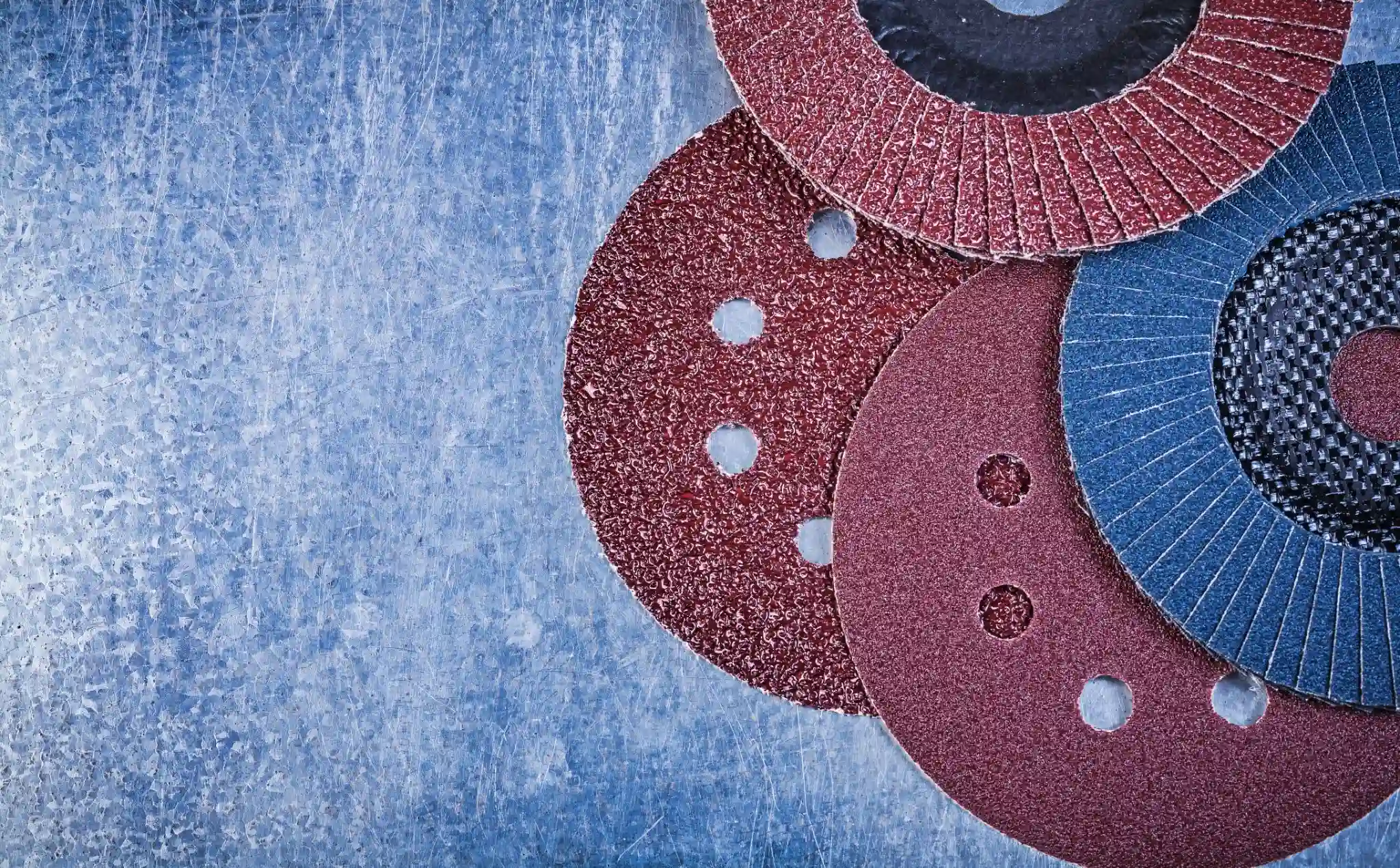
The lowly grinding wheel, as far as the production process, accuracy, and reliability are concerned is a backstage superstar. But what makes your grinding business? It is all reduced to the rough stuff in the centre of the wheel. The choice of the most appropriate abrasive materials is not only technical, but it could very well make the difference between the efficient production process and expensive downtime. Let us see the art and science of this much needed decision so that you can make a good choice and be sure.
The Reason why Abrasive Material Selection is Important
The quality of a grinding wheel is no better than the abrasive. Whether it includes the shaping of hardened steel engine parts or the polishing of the delicate ceramics or glass, the correct abrasive material will guarantee efficiency, uniform quality, and best tool life. According to a survey conducted by the International Journal of Manufacturing (2025), 78 percent of all failure modes of the grinding process are associated with poor choice of the material-making the use of abrasives a vital thing.
The incorrect abrasive may result in chatter marks, poor finishes, quick cutting of the wheel or even damaging workpieces that are costly in the case of busy production lines. This is the reason why the most successful manufacturers in the world consider abrasive selection with seriousness as machine calibration or machine cutting parameters.
The Materials of Abrasives: Characteristics and Classifications
There are many types of abrasive that are used as the material of the grinding wheel, and every type has peculiarities and situations of its best utilization. The following are the key categories:
1. Aluminum Oxide
Being the workhorse in industries, aluminum oxide is inexpensive, hard and durable. It is used to mill carbon steels, alloy steels and wrought iron.
Best for:
-
Ferrous metals grinding on a general purpose basis.
-
Moderate to high inventory turnover.
Real-Life Example:
Classic AutoWorks- a vintage car restoration facility, is relying on aluminum oxide wheels to initial shape and restore crankshafts to achieve speed, tool life and consistent customer satisfaction.
2. Silicon Carbide
The characteristic of this abrasive is its sharpness and quick cutting behavior. Its brittle character allows it to wear away and recycle cutting edges and it is ideal with brittle materials.
Best for:
-
Cast iron, non-ferrous metal (such as brass and aluminum) glass and ceramics.
Expert Insight:
According to Sarah Li, a materials engineer, it is because of a material like silicon carbide, which maintains coolness when dealing with hard tasks that causes cracks due to heat. It is best in the accuracy of glasswork or cast iron brake parts.
3. Zirconia Alumina
Combining strength with flexibility, zirconia alumina abrasives become self-sharpening. They are tough enough to be used in demanding tasks that need heavy inventory removal.
Best for:
-
Hardened steel, high-production settings, foundry work and stainless steel.
Research-Backed Data:
According to a study conducted by American Machining Institute in 2024, zirconia wheels had 23% better productivity in comparison with regular aluminum oxide to the task of grinding the parts made of stainless steel.
4. Ceramic Alumina
Ceramic alumina abrasives are micro-fracturing, and therefore, they demand high-tech grinding applications; they are always showing new cutting faces to ensure ultra-consistent performance.
Best for:
-
Superalloys, hardened steel, aerospace, medical equipment.
Industry Note:
Ceramic alumina is now used in modern aerospace stores in order to get tight tolerances and defect-free finishes on turbine blades to drive the efficiency of jet engines to new levels.
5. Diamond and CBN (Cubic Boron Nitride)
The hardness of these superabrasives is unparalleled and therefore it is mainly used in specialty applications whereby no other material is able to compete.
Best for Diamond:
-
Ceramics, tungsten carbide, glass, and stone.
Best for CBN:
-
Super-speedy metal, hardened tool steels.
Case Study:
Meditech Precision, a surgical tool manufacturer, replaced the current tool sharpening work with CBN wheels and realized an increment in part yield by 45 percent because of the longer life of the wheels and a perfect finish.
Procedures to be considered when selecting the most appropriate abrasive materials
The choice of abrasive is not only the hardness but a delicate one taking into account a number of important elements:
-
Material of Workpiece: Ferrous or non-ferrous? Hard, soft, brittle?
-
Finish on Desired Surface: Is this a roughing or a polishing job?
-
Reducing Speed and Coolant: Not all abrasives have the same level of heat generation, and it is considered important to control the speed and coolants.
-
Grinding Performance Requirement: Do you need to have high stock removal or low heat input?
Budget and Lifespan Superabrasives are more expensive but have a longer lifespan so the wheels do not need to change as often.
Featured Snippet:
Which are the most good abrasive materials of grinding wheels?
Some of the best abrasives used in the grinding wheels are aluminum oxide, silicon carbide, zirconia alumina, ceramic alumina, and other superabrasives such as diamond and CBN. They each target individual industries and work, being the most productive and finished.
Keeping up to date: Technology and Trends Building Abrasive Materials
The current technology has enhanced abrasive technology with a vengeance. The nano-structured and hybrid abrasives are currently utilized by the manufacturers to provide a longer wheel life and an increased consistency. As well, the move towards sustainable manufacturing demands the use of abrasives, which cut efficiently and use less energy.
According to recent research, 2026 indicates that the improved tool life and cleaner environments are realized with the use of advanced ceramics and nanocomposite abrasives, which is capable of enabling organizations to comply with green manufacturing requirements without compromising on its performance.
Provided Actions to succeed in grinding wheels
-
Never use a grinding wheel of which the abrasive is not the best fit to the job.
-
Follow the news of the manufacturers–new abrasive blends are introduced each year with a new feature.
-
Train drivers should be trained to detect and replace tires depending on wear or performance.
-
Service machine–vibration and misalignment may wipe out the advantages of the finest grains.
Conclusion
Grinding goes beyond the production stage, it is usually the make-or-break point on quality, efficiency and reputation. When you take the time to choose the best abrasive materials, you will be set to achieve perfect finishes, higher lives of the wheels, and consistent output which will make customers come back to you.
With industries becoming increasingly precise and sustainable in their requirements, a competitive advantage of being informed of new abrasive technologies exists. Shun custom–do not be afraid of information, professional knowledge, and your personal impressions of reality. Even the most difficult tasks are easy, safe and enjoyable with the right abrasive.
Frequently Asked Questions
Which kind of material should I use as my best abrasive material?
Examine your material to work with, decide what finish you want and balance performance requirements. Check data of suppliers and perform sample tests to verify the most suitable option.
Is there any merit to the higher price with superabrasives of general grinding?
Hard materials or special work Superabrasives, such as diamond and CBN, are used. In the case of standard steel grinding, the standard abrasives tend to be more economical in the case of routine work.
And what is the frequency of changing my grinding wheel?
Examine your rough decisions once a year, or once you shift materials or processes. New abrasive technologies keep enhancing performance, reduce costs and increase the life of the tools.