
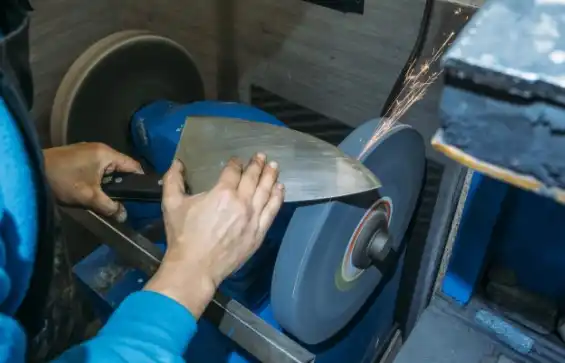
Developing a safety culture is necessary in manufacturing to facilitate workplace health, improve productivity, and align themselves with regulatory requirements. The nature of grinding operations is challenging because of the nature of risks involved in the equipment and the processes. Creating a strong safety culture entails putting into place the safety measures, education, communication, management buy-in and continual development. This paper delves into major measures of creating a safety culture particularly in relation to the grinding operations.
Learning about Safety Culture
Safety Culture Definition
A safety culture is established by common values, beliefs, and practices which emphasize safety in all the organizational operations. A strong culture of safety in the workplace requires all employees including the management and frontline employees to ensure safety at the workplace. This is dedication and it can be seen in every day practices, decision making and overall performance of an organization.
Plans to Introduce a Safety Culture in the Grinding Business.
Leadership Commitment
A powerful safety culture starts with leadership. Leaders should show a strong interest in healthy and safe behavior by being actively involved in safety programs and be willing to make safety a priority when making decisions. Frequent communication of safety goals, provision of resources to train on safety matters, and setting examples are essential. Safety at the top of the list of priorities sends a strong signal to the employees that their safety is an important concern, building the culture of responsibility.
Extensive Training Sessions
Another root of safety culture is training. In the case of grinding operations, a thorough training is necessary and involves the appropriate use of equipment, hazard awareness and emergency response aligned with essential safety standards. The training must be designed to meet the requirements of grinding operations such as training new employees during their initial period and regular training to reinforce safety measures and implement new methods or rules. Real-life training is more practical, encouraging the employees to acquire knowledge of how to use equipment safely and be aware of any possible dangers in real life. Periodic refreshers enable the maintenance of safety in the first place and make certain that the employees will be aware of the best practice as well as the changes in the regulations.
Fostering Open Communication
Communication that is effective is critical to the development of a safety culture. Workers ought to be enabled to express their grievances and report unsafe working conditions without fear of being punished. Periodic safety meetings give the avenue of discussing safety issues, best practices, and getting feedback on the employees. An anonymous reporting system will help to motivate any employees who notice a hazard or unsafe practice to report without any fear of being negatively affected. Also, the importance of safety in the organization can be reinforced by rewarding employees who take initiatives to embrace safety.
Setting Well-defined Safety Dictates and Policies
It is necessary to produce straightforward and succinct safety instructions and measures to direct the conduct of employees on grinding activities. These are protocols that should be readily available and communicated to every employee easily. The development of the elaborate standard operating procedures (SOPs) of all the grinding operations assist in defining the safe practices in the equipment use, maintenance and emergency responses. The use of visual aid, through the use of posters and signage, helps to reinforce the safety message and emphasizes on the key procedures on the work areas. The safety protocols should be reviewed and updated regularly to ensure they are updated to note any changes in regulations, technology and operation practice.
Encouraging Employee Diversity
The encouragement to engage the employees in safety programs will motivate a sense of ownership and responsibility. The implementation of safety committees, including representatives of different organizational levels enables the employees to recognize safety issues, analyze accidents, and suggest remedial measures. Incentive programs can also be implemented to encourage employees to participate, through rewarding them on their contributions towards safety through suggestions on improving or attainment of safety milestones. A mentoring program that can be used to encourage the new employees to mentor experienced employees can enable them to impart their knowledge on safe practices and the means of operation.
Taking Advantage of Technology and Data
It is possible to use technology and data analytics to make the grinding operations much safer. Using safety management software which monitors incidences, near misses, and training completes will aid in determining the trends and areas that demand more attention. Incorporate wearable devices that check the exposure of employees to any risks including noise level or enabling them to be aware of the vibrations and provide real time feedback. The systematic study of the safety data also aids in determining the trends of safety, evaluating the success of safety programs, and making a rational decision on how the safety can be improved.
Continuous Improvement
Development of safety culture is a continuous process that needs to be continually improved. Detailed investigations of any incidents or near misses determine root causes as well as coming up with corrective actions. Conducting periodic surveys on employees helps to get the feedback regarding the safety practices and to define the areas in which the safety can be improved. The comparison of the safety performance with industry standards and best practices will assist in establishing gaps and determining the objectives of their improvement.
Conclusion
The issue of establishing a safety culture in grinding operations is necessary to ensure the safety of the employees and optimize the efficiency of the working process. Organisations can develop a safety-focused culture by applying the measures that encompass leadership commitment, holistic training, open communication, having clear safety measures, employee participation, the use of technology and continuous improvement.
The benefits of investing in safety are that the risk of accidents and injuries drops to a level, and productivity and morale are also increased. Since the manufacturing environment is also constantly changing, the strong safety culture will become an indispensable element of the successful grinding operations, making the concept of safety a routine of each of the employees.