
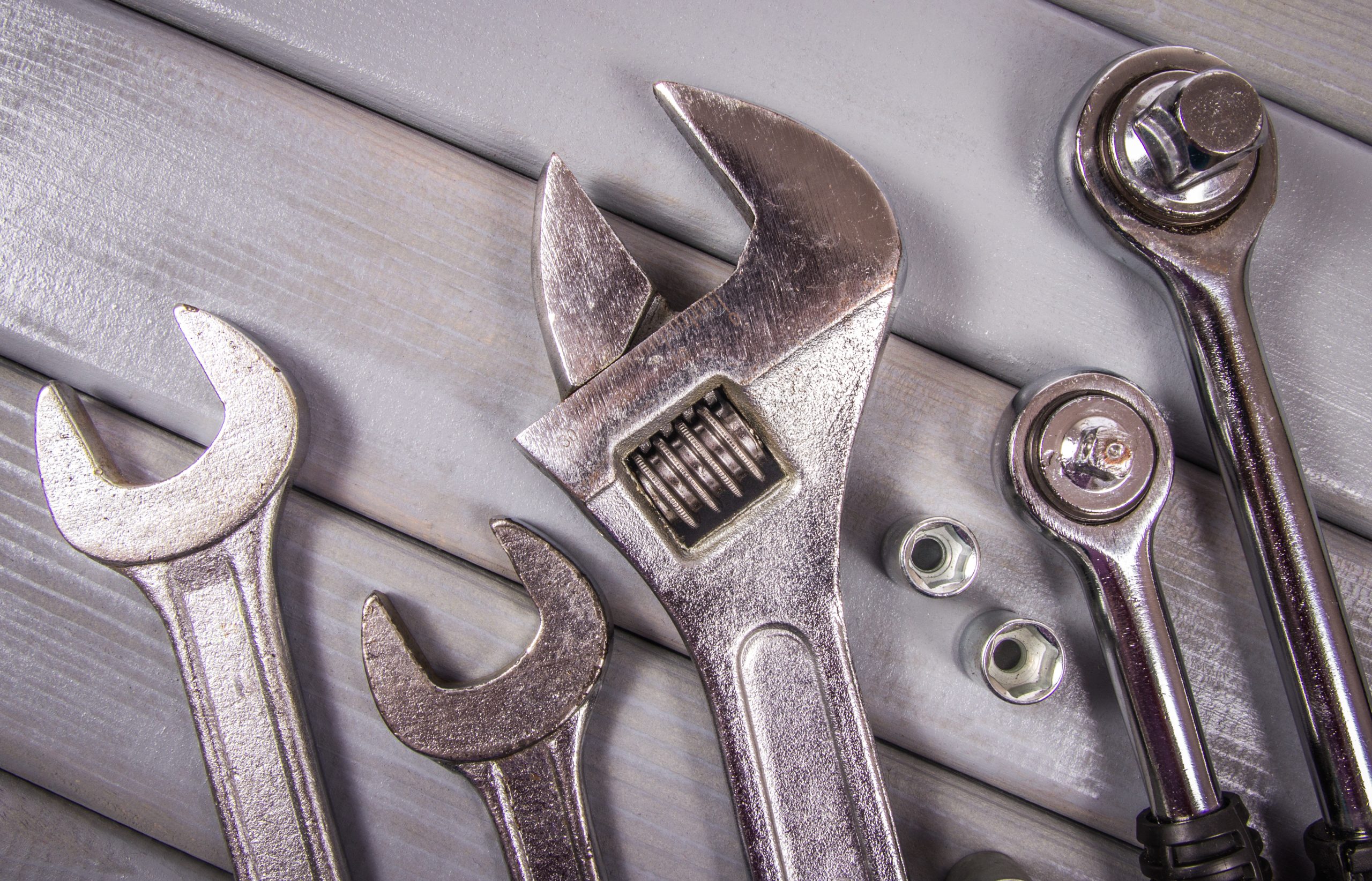
The process of tool maintenance is a very important issue in the working process of grinding and can affect the efficiency, the safety and the quality of the production largely. This paper reveals the secrets of tool maintenance, its significance, the principles that underlie its significance, specific details of the maintenance procedures, and the benefits that one can gain in the long term when following the right maintenance procedures.
Understanding Tool Maintenance
What is Tool Maintenance?
Tool maintenance includes all actions taken to keep tools in optimal working condition. This involves regular inspections, cleaning, sharpening, and storage practices that prevent wear and tear, ensuring tools perform effectively throughout their intended lifespan.
Types of Grinding Tools
- Diamond Abrasives: These diamond abrasives tools are applied when grinding hard metals.
- Aluminum Oxide Wheels: These are normally applied whenever general purpose grinding of metals is required.
- Cubic Boron Nitride (CBN) Wheels: These are used in the grinding of hardened steel and superalloys.
- Ceramic Abrasives:This is applied when high performance is required since they are hard and durable..
Importance of Tool Maintenance
1. Operational Efficiency
By maintaining the tools, the grinding tools can work in optimal condition. Dull or damaged tools lead to:
Increased grinding times.:
- Increased grinding times.
- Higher energy consumption.
- More frequent tool changes, resulting in downtime.
2. Cost Management
Maintaining tools properly can lead to significant cost savings:
- Reduced Replacement Costs: Tools that are regularly maintained last longer.
- Lower Operational Costs: Efficient tools consume less energy and reduce waste.
- Minimized Downtime: Scheduled maintenance prevents unexpected breakdowns.
3. Safety Enhancements
Tools put in bad condition or damaged are dangerous:
- Upgraded Risk of Breakage: Tools not maintained may break during use, and this may result in an injury.
- Safety of the Operators: Properly maintained tools minimize the risk of accidents which make the workplace safer.
4. Quality of Output
The tool condition is directly associated with quality control:
- Regular Finishes: All tools used are sharp and in good condition hence give better surface finish.
- Accuracy and Tolerances: Well-kepten tooling is used to contribute to smaller tolerances, which is vital within such industries as aerospace and automotive..
Best Practices for Tool Maintenance
1. Regular Inspection Protocols
protocols of inspection performed regularly.
- Checks in Visual Form: Before and after use, check any signs of visible wear and cracks or any signs of damage in tools.
- Performance Monitoring: Monitor tool performance data (e.g. grinding time and finish quality) in order to determine when they require maintenance.
2. Cleaning Techniques
- Debris Removal: Use brushes or blowers to remove dust and debris after each use.
- Solvent Cleaning: Employ appropriate solvents for deeper cleaning, particularly for resin-bonded abrasives that may accumulate resin residue.
3. Sharpening and Dressing
- Dressing: Dressing techniques: Dressing of grinding wheels use diamond dressers to preserve the shape and sharpness of the grinding wheels. New grains of abrasive should be exposed during the dressing process and the loading or glazing on the surface of the wheel be removed.
- Dressing Duration: Determine a dressing routine according to the type of tool and frequency of usage and the material to be ground.
4. Proper Storage Practices
- Environmental Control: Place tools in an environment where they are not prone to rust and corrosion. Preferably, instruments must be stored in a cooler and drier place.
- Use of Tool Holders: Tool holders or protective cases should be used to minimize the possibility of tool physical damage when storing.
5. Monitoring Operating Conditions
- Feed Rates and Speeds: Feed rates and Feed speeds should be adjusted to match material being grounded and specific tools utilised. Premature wear could be caused by overheating.
- Use of Coolant: It should be applied well to cool the process of grinding so that there is minimum friction and heat accumulation.
6. Documentation and Record-Keeping
- Maintenance Logs: Keep a record of any form of maintenance; inspections, cleaning, sharpening, and replacement. It can be used to make future maintenance plans and tool performance assessments.
- Performance Metrics: Monitor performance metrics in a manner of time to determine trends and prevent failures of tools before they happen.
Advanced Tool Maintenance Strategies
1. Predictive Maintenance
Add predictive maintenance methods through IoT sensors to detect the condition of the tools in real-time. This approach allows for:
- Data-driven Decision: Gather data regarding vibration, temperature and wear patterns, to guide the maintenance timetable.
- Fewer Downtimes: Predictive maintenance makes it possible to take precautionary measures to reduce unexpected downtimes of tools.
2. Training Programs
Introduce operator training sessions to make sure that operators grasp the need to maintain tools and also to make the operator good at performing maintenance procedures. This can include:
- Workshops: Practical lessons on tool maintenance, sharpening, and safety measures.
- Certification :Certify operators to confirm their expertise and knowledge in the maintenance of the tools.
3. Continuous Improvement
Adopt a philosophy of continuous improvement in tool maintenance practices:
- Feedback Loops: Accept feedback on tool performance and maintenance processes by operators.
- Regular Reviews: Perform a periodic assessment of the maintenance practices and revise them with new technologies or information discovered during the performance analysis.
Conclusion
In grinding processes, tool maintenance is the ultimate factor that has a direct effect on performance, safety, and quality. Through the introduction of extensive preventive maintenance approaches (such as frequent check-ups, cleaning, sharpening and application of modern methods like predictive maintenance) the companies can considerably increase the working life of their tools and enhance efficiency in the general productivity.
Effective maintenance of tools can be a source of increased productivity as well as a safer and more profitable working environment as well as time and resources are invested in effective maintenance of tools. With the technological advancement that is currently going on, the effectiveness of maintenance strategies towards the tools will be further improved by incorporating smart maintenance solutions in the maintenance strategy so that manufacturers will continue to compete in a challenging market.