
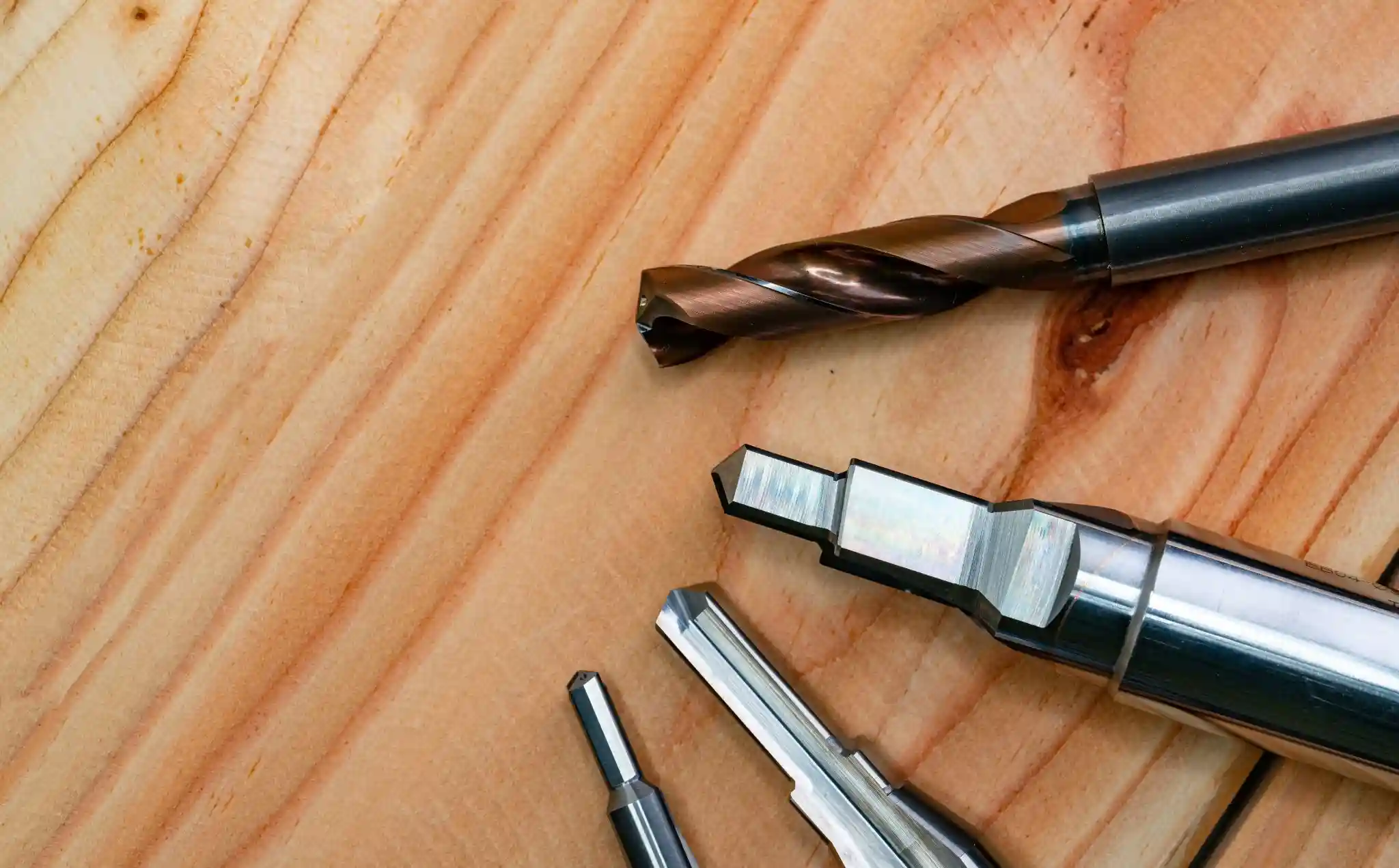
In the world of tools, sharpness is often the unsung hero. It’s easy to overlook the impact that a finely honed edge can have on performance and longevity until you experience the frustration of using a dull blade or tool. Imagine struggling through a project because your tools aren’t up to the task. The difference between efficiency and frustration often boils down to sharpness. This blog will explore the benefits of tool sharpness, delving into how it affects performance and the lifespan of your tools. By understanding these concepts, you can transform your approach to tool maintenance and ensure that your toolkit is always ready for action.
The Importance of Tool Maintenance
Tool maintenance goes beyond mere aesthetics; it is crucial for ensuring that your tools function correctly. Sharpness is a key component of this maintenance. When tools are well-maintained, they not only perform better but also last longer, saving you money and time in the long run. Just as a car needs regular oil changes and tire rotations to run smoothly, your tools require attention to maintain their effectiveness.
Understanding Tool Sharpness
Sharpness refers to the ability of a tool to cut through materials with ease. It encompasses not just the edge’s physical characteristics but also how it interacts with the material being cut. A sharp tool has a finely honed edge that allows it to engage materials effectively, whether it’s slicing through wood, cutting fabric, or drilling into metal. Different tools have varying definitions of sharpness based on their intended use. For instance, a kitchen knife requires a different type of sharpness compared to a chisel.
A kitchen knife’s sharpness is defined by its ability to make clean cuts through food, preserving texture and flavor. In contrast, a chisel’s sharpness is critical for creating precise joints in woodworking, where the quality of the cut can significantly impact the overall integrity of the piece. Understanding these nuances is essential for anyone looking to maintain their tools effectively.
The Science Behind Sharpness
At its core, sharpness is about edge geometry. The angle of the cutting edge plays a crucial role in determining how effectively a tool can slice through materials. A sharper edge usually has a finer angle, which reduces the amount of force required to cut. Moreover, a sharp tool generates less friction. This reduction in friction means that less energy is wasted, allowing you to work faster and more efficiently.
When a tool is sharp, it can penetrate the material more easily, which is essential in various applications. For example, in woodworking, a sharper chisel will slice through wood fibers rather than tearing them, resulting in a cleaner finish. On the other hand, a dull tool can cause fibers to splinter, leading to a rough surface that requires additional sanding and finishing work.
Performance Benefits of Sharp Tools
Enhanced Cutting Efficiency
When you use a sharp tool, you experience a level of cutting efficiency that simply isn’t achievable with a dull one. Sharp tools glide through materials, creating clean cuts without excessive force. This efficiency not only makes your work easier but also enhances the overall quality of your projects. For example, a sharp chisel will create smoother joints in woodworking, resulting in a more polished final product. On the other hand, using a dull tool can lead to jagged edges, splintered wood, and a whole lot of frustration.
Reduced Fatigue and Increased Productivity
Imagine you’re in the middle of a project, and your tools are dull. The extra effort needed to make cuts can lead to fatigue, frustration, and even injury. When tools are sharp, they require less physical effort, allowing you to work for longer periods without tiring. This increased efficiency translates to higher productivity. You can complete tasks faster and with less strain on your body. Sharp tools enable you to focus on your craftsmanship rather than battling against ineffective equipment.
In a woodworking shop, for example, a carpenter using sharp tools can complete intricate cuts in a fraction of the time it would take with dull tools. The energy saved can then be redirected to perfecting joints and finishes, elevating the quality of the final product. This not only improves workflow but also boosts morale, as workers feel a sense of accomplishment rather than frustration.
Improved Quality of Work
The quality of your work is often directly proportional to the sharpness of your tools. A sharp knife will slice through ingredients cleanly, preserving their texture and flavor. Similarly, a sharp lawnmower blade will deliver a clean cut to your grass, promoting healthier growth. The importance of sharp tools in achieving superior results cannot be overstated. For instance, in woodwork, a sharp plane will create smooth surfaces, while a dull one will leave marks and imperfections.
Lifespan and Durability of Tools
How Sharpness Influences Wear and Tear
Sharpness plays a pivotal role in the wear and tear of tools. Dull tools can cause unnecessary strain, not just on themselves but also on the materials they are used with. When a tool is dull, it requires more pressure to cut through materials, leading to increased friction. This friction generates heat, which can damage both the tool and the material. Over time, this can result in a shorter lifespan for your tools. By keeping your tools sharp, you minimize the wear they experience during use, contributing to their longevity.
Cost-Effectiveness of Maintaining Sharp Tools
Investing in tool sharpness is not just about performance; it’s also about cost-effectiveness. The cost of regularly sharpening your tools is significantly less than the expense of replacing them due to wear and tear caused by dullness. Maintaining sharp tools can save you money in the long run. Additionally, when you keep your tools sharp, you increase their usability and versatility. You can tackle a wider range of projects with confidence, knowing that your tools are up to the task.
For example, a set of high-quality kitchen knives will serve you well for years if maintained properly. Regular sharpening and honing can prevent the need for costly replacements and ensure that each knife performs at its best. This principle applies to all tools, from woodworking chisels to gardening shears.
Best Practices for Maintaining Tool Sharpness
Regular Sharpening Techniques
One of the most effective ways to maintain tool sharpness is through regular sharpening. Depending on the type of tool and its frequency of use, you may need to sharpen it after every few uses or less frequently. There are various methods for sharpening tools, including honing, grinding, and using sharpening stones. Each technique has its own set of advantages and can be tailored to the specific tool you are working with.
For instance, honing is ideal for kitchen knives. A honing steel realigns the edge of the knife, making it sharper without removing material. Grinding, on the other hand, is more aggressive and suitable for tools like chisels or lawnmower blades, which may require significant material removal to restore sharpness. Understanding the right technique for each tool is crucial for effective maintenance.
Proper Storage and Handling
How you store and handle your tools can greatly affect their sharpness. Storing tools in a damp environment can lead to rust, while tossing them into a toolbox without protection can dull their edges. Consider using protective sheaths or cases for knives and blades. Keeping tools organized and in a dedicated space will prevent unnecessary damage and maintain sharpness. Proper handling also means using tools for their intended purpose. Avoid using a chisel as a prying tool or a knife as a screwdriver. Using tools correctly will help preserve their sharpness and functionality.
When storing tools, consider investing in a quality toolbox or tool chest that offers protection against moisture and physical damage. Magnetic strips can also be useful for hanging tools in an accessible manner, preventing them from getting lost or damaged.
Using the Right Tools for the Job
Selecting the appropriate tool for specific tasks is crucial in maintaining sharpness. Each tool is designed for a particular purpose, and using it outside of that context can lead to dulling. For example, using a fine blade to cut through tough materials can quickly dull the edge. Understanding the strengths and limitations of your tools will ensure that you use them effectively.
In the realm of woodworking, for instance, using a coping saw for intricate cuts rather than a jigsaw can yield cleaner results and prolong the life of your tools. Similarly, using a serrated knife for bread and a chef’s knife for vegetables ensures that each tool is used in a way that maintains its sharpness and effectiveness.
FAQs
What are the signs that my tool needs sharpening?
If you notice that your tool requires more force to cut through materials or if it is producing rough edges, it’s time to sharpen it.
How often should I sharpen my tools?
The frequency of sharpening depends on usage. High-use tools may need sharpening after every few uses, while others may require it less often.
Can I sharpen my tools at home?
Yes, many tools can be sharpened at home using various methods such as honing or using a sharpening stone. Just ensure you follow the correct technique for each tool.