
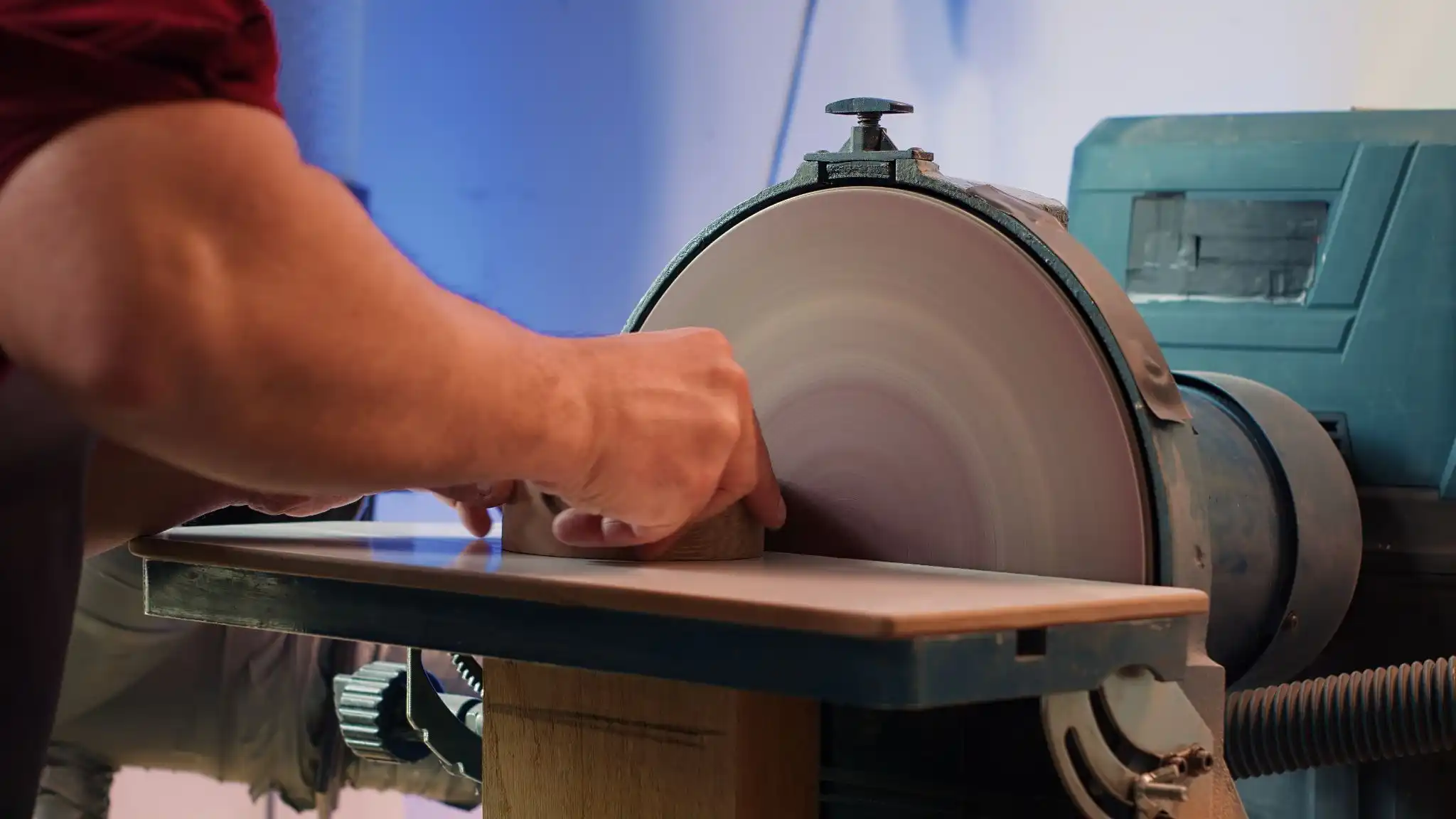
When it comes to manufacturing and material processing it can be the difference between the correct and incorrect grinding technique in the busy world. Whether you are operating in a fine-tuned aerospace factory, busy car repair store or in factories that make ceramic tiles, the issue of wet vs dry grinding is already a fundamental choice. Which method comes out on top? What variables matter? When the comparison of these two popular grinding techniques is all-encompassing, we will, in this case, deconstruct the myths, facts and proactive solutions with a real-world experience and expert opinion.
The real importance behind the use of the Grinding Technique
You have felt these two contrasting worlds, had you ever looked at sparks flying when metal was grinding, or had seen a transparent pool of liquid at the bottom of a turning wheel. In wet grinding, water or a coolant is used in the process and in dry grinding, the process omits the use of liquid and instead relies solely on the abrasive action of the grinding wheel. The effects are on productivity, surface finish, life of the tool and even environmental compliance.
In a more recent survey of 2025 by the Global Manufacturing Institute, more than 65 percent of quality managers reported that the choice of grinding technique was considered by them as critical in ensuring consistency of the product and reducing wastage. This is not theory alone–we would better examine individually each of the options.
Understanding Wet Grinding
Wet grinding is the process where a coolant, that is usually water, synthetic solution, or oil, is added during the grinding process. This coolant has numerous purposes; cooling of the workpiece and wheel, reduction of dust, removal of swarf (waste material), and improvement of cutting behavior of the abrasive.
The Benefits of Wet Grinding
-
Excellent Surface Finish: The coolant causes less friction resulting into finer finish that is paramount in toolmaking, orthopedics and electronics.
-
Greater Tool Life: With a cooler environment, the rate of wear on the wheels is reduced and the time between dressing or replacing reduced.
-
Dust and Particle Control: Wet grinding has a great impact in reducing aerosols related to airborne dusts which encourages a safer and clean environment.
Consider the case of Meditech Components, a surgical instruments manufacturer. Once they changed to wet grinding of the stainless steel tools a reduction of 22% in the number of rejects caused by flaws in the surface and a perceived improvement in the health of their employees was reported.
The demerits of Wet Grinding
There are special difficulties with wet grinding. Coolant systems are often messy and expensive to manage, and their disposal is highly regulated by the environment, so proper disposal should be taken to ensure that they do not contaminate waters or that harmful waste is cited. Coolant tanks and filtration systems should be monitored and maintained on a regular basis.
Exploring Dry Grinding
Dry grinding is no added liquid- it is pure wheel to workplace abrasion. The system is quicker to install and incurs less initial expenses as the system does not require a coolant system to set up and maintain. In smaller processes or in the process of a particular task, dry grinding may be the most viable.
Advantages of Dry Grinding
-
Simple and Cost Reduction: Minimized equipment and maintenance translates to lean operations.
-
Speed and Efficiency: No coolant clean up wait; change of job can be made faster.
-
No Coolant Disposal: No environmental issues of concern with wastewater or chemical treatment.
To take an example, dry grinding is the preferred process of titanium bolts at AeroParts Fasteners. The process guarantees a fast turnaround process and the absence of fluids implies fewer risks of contamination during the change of various alloys.
Disadvantages and drawbacks of Dry Grinding
The absence of a coolant may cause a rise in the heat and this may cause thermal expansion, burns or warping of the work piece. More prevalent is wheel glazing (where the abrasive particles flatten and no longer cut proficiently) and dust might pose a respiratory risk and require more time to clean.
Data-Based Variations: Surface Quality, Throughput and Cost
Recent research including the 2024 report by the Journal of Advanced Manufacturing indicates that wet grinding can provide up to 38 percent better surface roughness (in terms of Ra values) than dry grinding of hardened steels and ceramics. But, where fineness is not a criterion, the efficiency of dry grinding is a plus-states reduced costs and reduced turnaround make it the favored process.
One of the large automotive plants in Europe might rough-shape by dry grinding and then change to wet grinding to do final operations on the engine parts that are critical. This combination process gives the optimum speed and ultra low surface roughness.
Selection of the appropriate Technique: What Made the Difference
In the context of a comparison of the methods of grinding, the victorious methodology is determined by the project needs:
-
Type of Material: Metals that are liable to overheating or may be softened by using wet grinding. There are more heat-tolerant or brittle materials that can easily be used with dry processes.
-
Surface Requirements: When a mirror-like finish or an ultra-fine finish is required, then wet grinding may be required.
-
Volume of Production: High volume production might warrant the cost of coolant systems to maintain quality and prolong life of tools.
-
Environmental Compliance: Organisations under intense waste disposal restrictions can consider the advantages and disadvantages of using coolants with great care.
-
Operator Safety: The basic issue is to reduce dust (wet) or control chemical contact (dry) although global policies are becoming stricter.
Experts on the same: What the Leaders say
According to the senior process engineer, Dr. Rina Patel with a twenty-year experience, there are proponents of wet and dry grinding. The most profitable stores are often adaptable- they rely on data, track results and they do not merely adapt to past practices. In case, the combination of the two is sometimes the best.
Most progressive factories currently operate data analytics and automated sensors. Surface finish, temperature, and wheel wear measurements are taken in real-time to allow the operators to know when to change between dry and wet operations and fine-tune quality and efficiency.
Trends in the future
Sustainability has become a key factor of change. Manufacturers are also trying semi-dry or minimum quantity lubrication (MQL)- systems – spraying small quantities of coolant directly to prevent waste, minimize environmental impact and reap the benefits of both wet and dry grinding.
A 2026 study reported that the plants that embraced MQL recorded a 19% reduction in the total cost of grinding and also a corresponding reduction in the consumption of coolant and dust emission. Such hybrid solutions are defining the future of the comparison of the grinding techniques due to the increased effort in the environmental policies.
Snippet: Wet vs. Dry Grinding Techniques Compare and Contrast
Wet grinding has better surface finishes and tool life with the use of coolants, whereas dry grinding is simple and cost effective. The optimal decision during a comparison of the grinding techniques would be based on the material, finish features, volume, and the environmental factors.
Conclusion
Wet vs dry grinding There is no answer to this wet vs dry grinding. It is vital to have a sincere evaluation of the objectives of your shop, resources, quality guidelines, and legal facts. The most intelligent route will likely be to combine both worlds- or change completely as your business or the industry changes with the emergence of new technologies.
Using the time to look at performance data, talk to the operators and work with equipment vendors would mean your grinding techniques comparison is not mere empty theory, it is a winning strategy of quality, safety and profitability.