
For anyone who works with tools, knowing when a tool needs resharpening is essential for maintaining efficiency and safety. A sharp tool not only enhances performance but also ensures that your projects are executed with precision. However, recognizing the signs that indicate a tool requires resharpening can be challenging, especially for beginners. This blog delves into the nuances of tool sharpening, helping you identify the indicators that signal your tool needs attention, and providing insights into proper maintenance practices.
Understanding Tool Sharpening
What Is Tool Sharpening?
Tool sharpening is the process of creating a sharp edge on a tool or blade. This process can involve grinding, honing, or polishing the cutting edges to restore their original sharpness. Different tools require varying methods of sharpening, and the technique you choose can greatly affect the tool’s performance. Whether you’re using a chisel, knife, or saw, understanding the sharpening process is fundamental to ensuring that your tools function effectively.
Importance of Keeping Tools Sharp
Maintaining sharp tools is crucial for several reasons. First, sharp tools make work easier, requiring less force to cut through materials. This not only enhances efficiency but also reduces fatigue during prolonged use. Second, sharp tools produce cleaner cuts, which can significantly impact the quality of your work. Moreover, using sharp tools is safer; dull blades can slip or bind, increasing the risk of accidents. By keeping your tools sharp, you’re investing in your safety, efficiency, and the quality of your projects.
Common Signs That Indicate a Tool Needs Resharpening
Dullness and Reduced Cutting Ability
One of the most apparent signs that a tool needs resharpening is a noticeable dullness. You may find that the tool no longer cuts as effectively as it once did. For instance, a knife that easily sliced through vegetables now struggles to make even the simplest cuts. This reduction in cutting ability can lead to frustration and wasted time, indicating that it’s time to reach for the sharpening stone.
Increased Resistance While Cutting
When you notice increased resistance while attempting to cut, it is a clear sign that your tool is dull. A sharp tool should glide through materials with minimal effort. If you find yourself applying excessive pressure or struggling to achieve a clean cut, it’s likely that the tool needs to be sharpened. This resistance not only hinders your progress but can also lead to fatigue, making it imperative to address the issue promptly.
Visible Damage to the Cutting Edge
In addition to dullness, visible damage to the cutting edge is a strong indicator that a tool needs resharpening. Chips, nicks, or uneven edges can compromise the tool’s performance and overall effectiveness. Inspecting your tools regularly for physical damage is essential. If you observe any imperfections along the blade, it’s time to sharpen or repair the tool to restore its functionality.
Specific Tools and Their Resharpening Indicators
Woodworking Tools
Woodworking tools, such as chisels and plane blades, often show specific signs when they need resharpening. For example, if a chisel no longer produces clean, crisp edges or if a plane blade leaves rough surfaces, it’s a sign that resharpening is necessary. Woodworkers should regularly check their tools for sharpness, as dull blades can lead to poor finishes and increased effort.
Metalworking Tools
In metalworking, tools like drills and lathe bits are particularly susceptible to dullness. If you notice that drill bits are taking longer to penetrate materials or are producing excessive heat during use, these are indications that they need resharpening. Maintaining sharp metalworking tools is essential for precision and accuracy, as dull tools can lead to misalignment and poor results.
Gardening Tools
Gardening tools, including pruners and shears, also require regular attention. If you find that your pruners are tearing rather than cutting through branches smoothly, or if your shears struggle to make clean cuts, it’s time to sharpen them. Sharp gardening tools not only enhance performance but also promote healthy plant care by making clean cuts that reduce damage to plants.
The Impact of Using Dull Tools
Safety Risks
Using dull tools poses significant safety risks. When a blade is dull, it is more likely to slip or bind, leading to accidents that can result in serious injuries. Additionally, the increased force required to use dull tools can lead to strain and fatigue, heightening the risk of mishaps. Prioritizing tool sharpness is essential for maintaining a safe working environment, whether in a workshop, kitchen, or garden.
Quality of Work
The quality of your work is directly influenced by the sharpness of your tools. Dull tools often result in uneven cuts, rough edges, and compromised finishes. In woodworking, for instance, a dull chisel can tear wood fibers instead of slicing them cleanly, leading to unsightly surfaces. Similarly, dull knives in the kitchen can lead to messy food preparation and less visually appealing dishes. By ensuring your tools are sharp, you elevate the quality of your craftsmanship and overall output.
Tool Longevity
Using dull tools can shorten their lifespan significantly. When tools are used without regular sharpening, they can become damaged beyond repair. For example, excessive force used on a dull blade can lead to chips or cracks, necessitating more extensive repairs or even replacement. Regular maintenance, including sharpening, not only enhances performance but also extends the life of your tools, making it a worthwhile investment.
Methods for Assessing Tool Sharpness
Visual Inspection Techniques
A simple visual inspection can often reveal whether a tool needs resharpening. Look for signs of wear, such as nicks, chips, or a rounded edge. For knives and chisels, the edge should appear sharp and well-defined. If the edge reflects light or looks dull, it is likely time for sharpening. Additionally, checking the point of a drill bit can indicate sharpness; a pointed tip indicates a sharp bit, while a flat or rounded tip suggests resharpening is needed.
Performance Testing
Performance testing is another effective method for assessing tool sharpness. Attempt to use the tool on its intended material and observe the results. If a knife struggles to slice through vegetables or a drill bit takes excessive time to penetrate wood, these are clear indicators that the tool needs resharpening. Engaging in performance tests can provide a more practical understanding of a tool’s condition beyond visual assessments.
Proper Resharpening Techniques
Manual Resharpening Methods
Manual sharpening methods, such as using whetstones or honing rods, allow for precise control over the sharpening process. Whetstones come in various grits, enabling you to start with a coarse stone for significant dullness and finish with a fine stone for a polished edge. Learning the correct angle and technique for sharpening is essential, as improper methods can lead to further edge damage. Taking time to master these techniques can significantly enhance your tool maintenance skills.
Using Power Tools for Resharpening
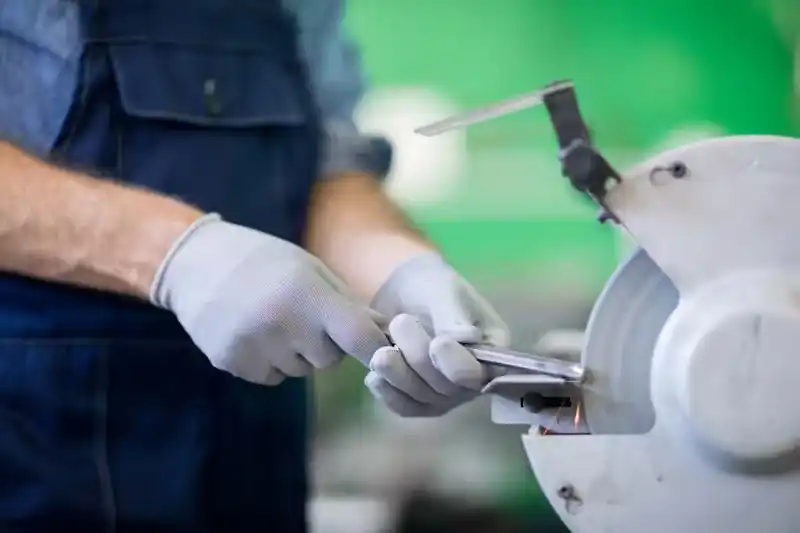
For those who prefer convenience, power tools like bench grinders and electric sharpeners offer efficient ways to resharpen tools. These machines can quickly restore sharpness, especially for larger tools such as chisels and knives. However, caution is necessary when using power tools, as overheating can damage the tool’s temper. Following the manufacturer’s guidelines and using the proper technique will ensure effective and safe sharpening.
Professional Resharpening Services
If you’re unsure about sharpening tools yourself or if the tools require specialized care, consider seeking professional resharpening services. Many hardware stores and specialty shops offer sharpening services that ensure tools are returned in optimal condition. Professional sharpeners possess the experience and equipment to handle a variety of tools, giving you peace of mind that your tools are being cared for correctly.
Maintaining Your Tools After Resharpening
Cleaning and Storage Practices
After resharpening, it’s essential to clean your tools thoroughly to remove any metal shavings or debris. Using a soft cloth or brush can help maintain the tool’s condition. Additionally, proper storage practices are crucial. Store tools in a dry place, and consider using protective sheaths or cases for blades to prevent damage and maintain sharpness.
Regular Maintenance Routines
Establishing a regular maintenance routine can keep your tools in top condition. This includes routine inspections for sharpness, cleaning after use, and ensuring they are stored properly. Consider setting reminders for resharpening based on usage frequency. By being proactive with maintenance, you can prolong the life of your tools and ensure they are always ready for your next project.
Conclusion
Recognizing when a tool needs resharpening is a vital skill for anyone who values efficiency and quality in their work. By understanding the signs of dullness and the impact of using unsharpened tools, you can prioritize tool maintenance effectively. Implementing proper sharpening techniques and maintaining a routine can significantly enhance both the performance and longevity of your tools, ultimately making your work more enjoyable and productive.
Frequently Asked Questions
How often should I sharpen my tools?
The frequency of sharpening depends on the type of tool and how often it is used. Generally, tools should be sharpened when they show signs of dullness or after a specific number of uses, especially in demanding applications.
Can I sharpen all tools myself?
While many tools can be sharpened by individuals with basic skills and equipment, some specialized tools may require professional sharpening. If you are unsure about your ability to sharpen a specific tool, consult a professional.
What are the best tools for resharpening?
The best tools for resharpening vary based on the type of tool being sharpened. Whetstones and honing rods are excellent for knives and chisels, while bench grinders are effective for larger tools. For convenience, electric sharpeners can also be beneficial.