
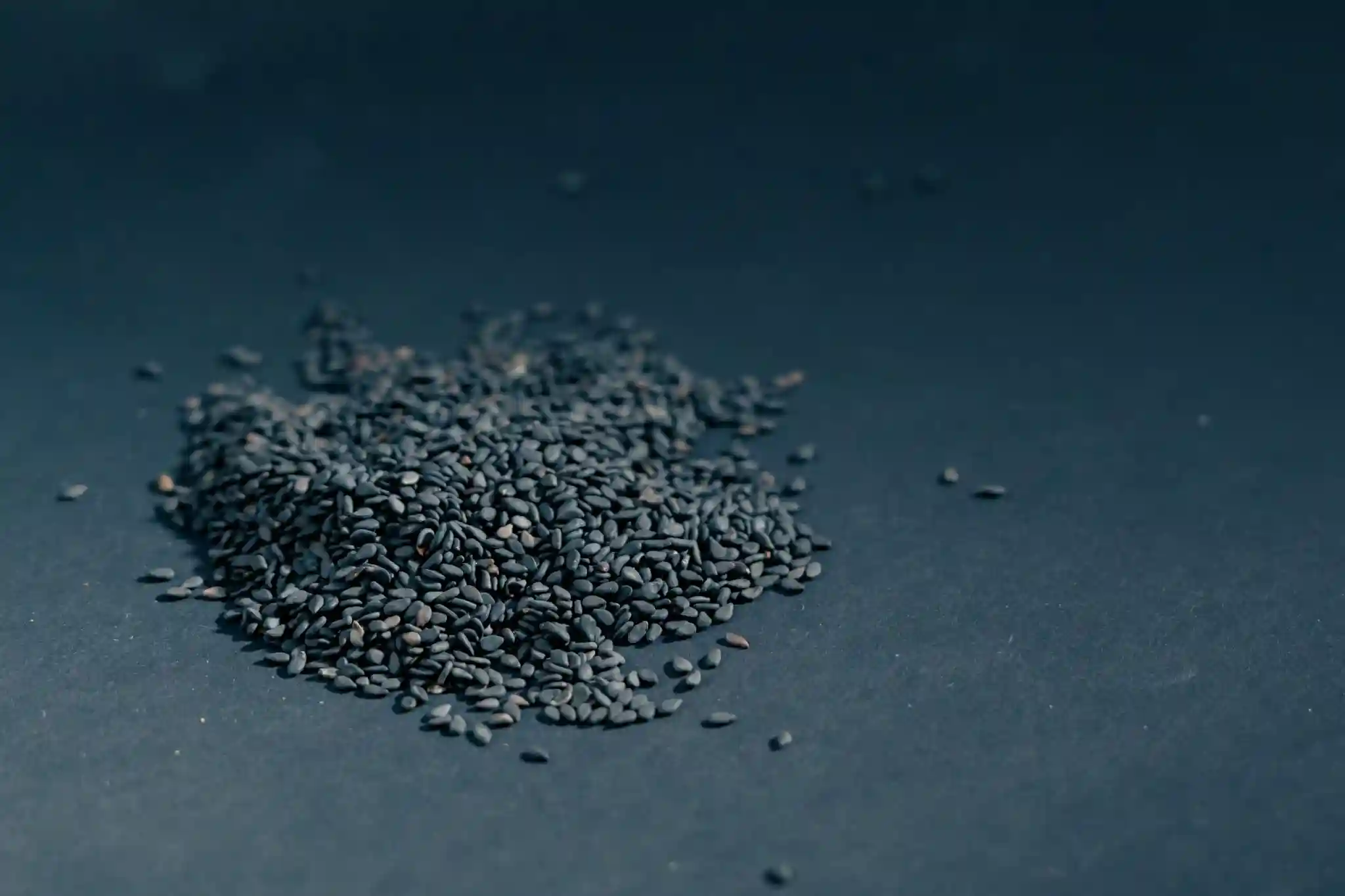
In the world of manufacturing and machining, achieving the right surface finish is crucial. It affects not only the aesthetic appeal of a product but also its functionality and longevity. Various factors contribute to surface finish, with grit size and abrasive grain type being among the most significant. Understanding how these elements interact can help manufacturers optimize their processes and enhance product quality. This blog delves into the intricate relationship between grit size and abrasive grain type, exploring their combined impact on achieving desired surface finishes.
Understanding Abrasive Materials
What Are Abrasive Grains?
Abrasive grains are hard materials used to wear away the surface of softer substances through friction. They play a vital role in various applications, including grinding, polishing, and cutting. Common types of abrasive grains include aluminum oxide, silicon carbide, and diamond. Each type possesses unique characteristics that influence their performance in different applications. For instance, aluminum oxide is renowned for its durability and versatility, making it suitable for a range of materials, while silicon carbide’s sharpness makes it ideal for harder materials.
The Role of Grit Size
Grit size refers to the size of the abrasive particles found in grinding wheels, sandpapers, or other abrasive tools. It is typically measured using a standardized scale, such as the American National Standards Institute (ANSI) grit size chart. Smaller grit sizes produce finer finishes, while larger sizes create rougher surfaces. The choice of grit size is critical, as it directly impacts the efficiency of the abrasive process and the quality of the final surface finish.
The Relationship Between Grit Size and Surface Finish
How Grit Size Affects Surface Finish
The relationship between grit size and surface finish is straightforward yet profound. Surface finish is often assessed using parameters such as roughness, waviness, and lay. A finer grit size generally results in a smoother surface finish, as it removes material more gradually and evenly. Conversely, larger grit sizes can leave behind a rougher surface due to their more aggressive cutting action. For example, using a 120-grit sandpaper will produce a noticeably smoother finish than a 60-grit paper, making the choice of grit size pivotal in achieving the desired outcome.
The Interaction with Abrasive Grain Types
The interaction between grit size and abrasive grain types is complex and can dramatically affect surface finish. Different abrasive grains behave uniquely under various conditions. For instance, aluminum oxide grains are tough and can maintain their cutting edges longer, making them effective at finer grit sizes for achieving smoother finishes. On the other hand, silicon carbide grains, which are sharper but less durable, may perform better at coarser grit sizes when aggressive cutting is required. Case studies from manufacturing settings show that selecting the right combination of grit size and grain type significantly influences the quality of the surface finish achieved.
Factors Influencing Surface Finish Beyond Grit Size and Grain Type
Speed and Pressure in Abrasive Processes
In addition to grit size and grain type, operational conditions such as speed and pressure play a crucial role in determining surface finish. Higher speeds can enhance the cutting action of abrasives, leading to improved surface finishes. However, excessive pressure can cause overheating and wear on the abrasive grain, ultimately degrading performance. Understanding how to balance speed and pressure with grit size and grain type is essential for optimizing abrasive processes.
Material Being Abraded
The type of material being abraded also significantly affects surface finish. Different materials respond uniquely to abrasive actions, making it essential to select appropriate abrasive combinations. For instance, softer materials may require finer grit sizes to avoid excessive material removal, while harder materials may benefit from coarser grits that can penetrate and cut more effectively. Recognizing the characteristics of the workpiece material helps manufacturers tailor their abrasive strategies for superior results.
Selecting the Right Grit Size and Grain Type for Desired Finish
Guidelines for Choosing Abrasive Materials
Choosing the right abrasive materials involves careful consideration of various factors. When selecting grit size and grain type, manufacturers should evaluate the desired surface finish, the nature of the workpiece material, and the specific application requirements. It’s crucial to match the abrasive characteristics to the task at hand. For example, if a high-gloss finish is required on a soft metal, a finer grit size with a durable grain type like aluminum oxide would be ideal. In contrast, a rough finish on a hard surface may necessitate a coarser grit with a sharper grain type.
Common Applications and Their Requirements
Different industries have distinct surface finish requirements, and understanding these can guide the selection of abrasive materials. For example, in the automotive industry, achieving a smooth surface finish on engine components is critical for performance, necessitating a combination of fine grit sizes and tough grain types. In contrast, woodworkers may prioritize a balance between speed and finish quality, often opting for various grit sizes to achieve a polished appearance on furniture. Recognizing these specific requirements allows manufacturers to optimize their abrasive processes effectively.
Innovations in Abrasive Technology
Advances in Abrasive Grain Technology
Recent advancements in abrasive grain technology have transformed the landscape of abrasive materials. Innovations such as ceramic grains and hybrid formulations have emerged, offering improved performance and longevity. For instance, ceramic grains can provide a sharper edge and enhanced durability, making them suitable for demanding applications. These advancements enable manufacturers to achieve better surface finishes while reducing costs associated with tool wear and replacement.
Future Trends in Surface Finish Optimization
As technology continues to evolve, the future of surface finish optimization looks promising. Automation and artificial intelligence are increasingly being integrated into abrasive processes, allowing for real-time adjustments and monitoring. Predictive analytics can help manufacturers anticipate wear patterns and optimize abrasive use, leading to more consistent and higher-quality surface finishes. Embracing these innovations will be crucial for industries aiming to stay competitive in an ever-evolving market.
Conclusion
Understanding how grit size interacts with abrasive grain type is essential for achieving superior surface finishes in manufacturing. By recognizing the unique characteristics of different abrasive materials and their effects on surface quality, manufacturers can make informed choices that enhance their processes. As the industry continues to innovate, staying abreast of advancements in abrasive technology will empower manufacturers to achieve even greater results. In the quest for perfection, the interplay between grit size and abrasive grain type will remain a pivotal factor in achieving the desired surface finish.
FAQs
What is the ideal grit size for achieving a smooth surface finish?
The ideal grit size for a smooth surface finish typically falls between 120 and 400 grit, depending on the material and application. Finer grits produce smoother finishes, while coarser grits are suitable for initial material removal.
How do different abrasive grain types affect machining processes?
Different abrasive grain types can significantly influence cutting efficiency, durability, and the quality of the surface finish. For example, aluminum oxide is durable and versatile, while silicon carbide is sharper and better suited for harder materials.
Can grit size be adjusted during the manufacturing process for better finishes?
Yes, grit size can often be adjusted during the manufacturing process, allowing for a tailored approach to achieving specific surface finishes. Transitioning between different grit sizes can enhance overall surface quality.
What are the common mistakes in selecting abrasive materials?
Common mistakes include choosing inappropriate grit sizes, failing to consider the workpiece material, and not matching the abrasive grain type to the specific application. Proper selection is crucial for achieving optimal results.