
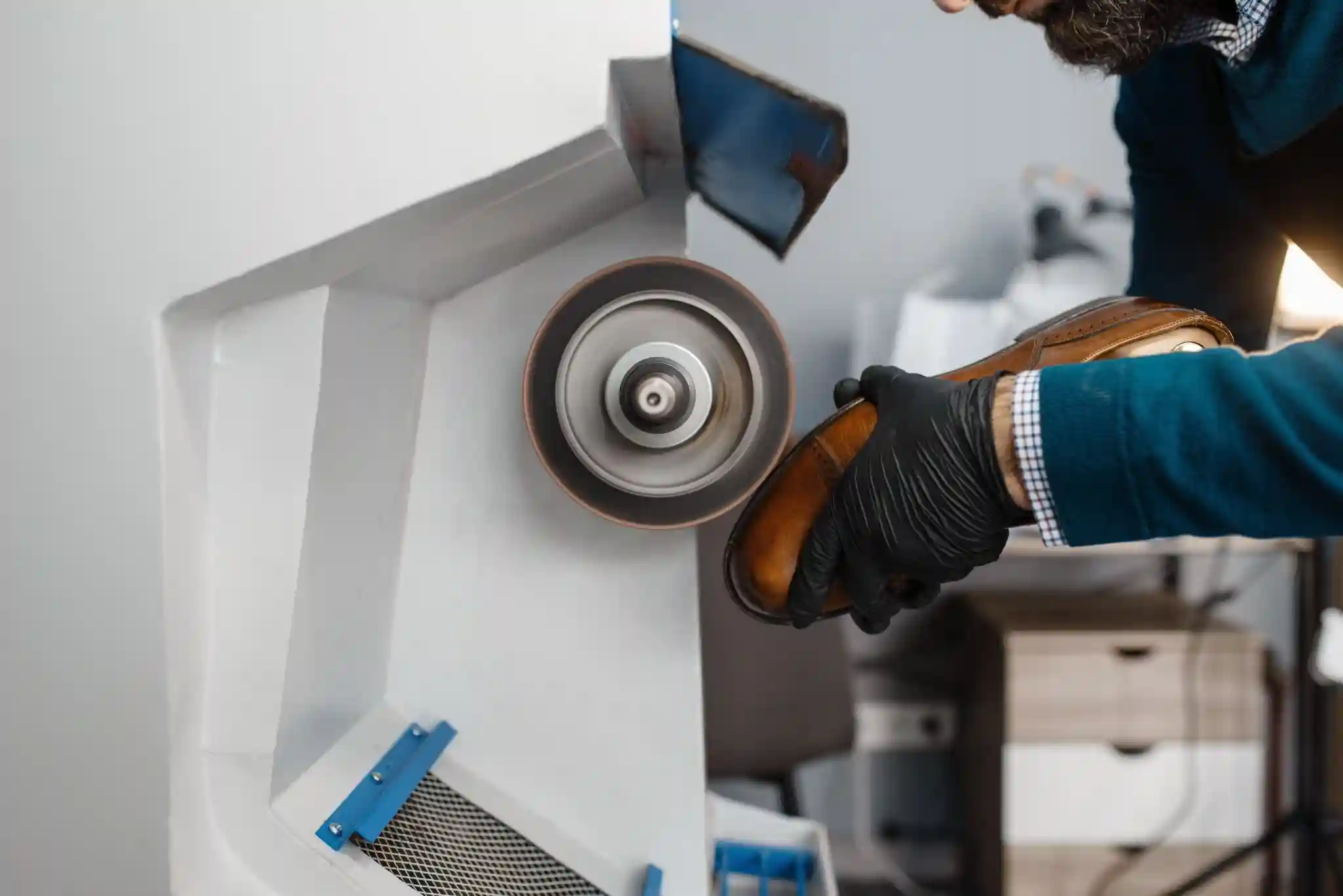
Abrasive grains are everywhere in industrial environments. They are used in grinding, cutting, polishing, blasting, and surface finishing. From metal fabrication to construction, these materials help shape and refine products with precision. But behind their usefulness lies a serious safety concern.
Different abrasive grains behave differently under pressure. Some create fine dust. Others generate heat or break into sharp particles. Without proper control, these processes can lead to respiratory issues, eye injuries, skin irritation, and long-term occupational hazards. This is why abrasive grain safety precautions are not optional. They are essential for protecting workers and maintaining safe production environments.
In real-world industrial settings, most accidents do not come from the material itself but from improper handling, lack of protection, or poor training. Understanding how each abrasive behaves is the first step toward building a safer workplace.
Understanding Abrasive Grains and Their Industrial Applications
Abrasive grains are hard particles used to wear down or shape other materials. They can be natural or synthetic. Their performance depends on hardness, shape, and heat resistance.
Industrially, they are used in grinding wheels, sanding belts, blasting media, and polishing compounds. Each application creates different levels of friction, dust, and heat.
The key challenge is that abrasive processes often seem routine. Workers handle them daily, which can lead to safety habits being overlooked over time. This is where risks gradually increase without immediate warning signs.
Types of Abrasive Grains and Their Risk Profiles
Not all abrasive grains behave the same way. Understanding material differences helps reduce risk exposure.
Aluminum Oxide
Aluminum oxide is widely used in metal grinding and surface finishing. It is durable and cost-effective. However, it produces fine dust during use, which can become airborne quickly. Prolonged exposure without protection can lead to respiratory irritation.
Silicon Carbide
Silicon carbide is sharper and harder than aluminum oxide. It cuts faster but also creates more aggressive particles. These particles can become airborne easily, increasing inhalation risks if ventilation is poor.
Ceramic Abrasives
Ceramic abrasives are used in high-performance industrial environments. They generate significant heat during operation. This heat can cause material breakdown and increase the risk of fragment ejection, making protective shielding important.
Natural Abrasives (Garnet, Emery)
Natural abrasives are considered less chemically hazardous but still produce dust. While they may appear safer, they still require proper respiratory protection due to particle exposure risks.
Primary Health Hazards Associated with Abrasive Grains
The main risks associated with abrasive grains are not always immediate. Many develop over time.
Respiratory Risks from Fine Dust Particles
Fine dust is one of the biggest hazards in abrasive work. Particles can remain suspended in the air and be inhaled repeatedly during long shifts. Over time, this can lead to chronic respiratory issues.
Eye and Skin Irritation Risks
Abrasive particles can cause irritation when they come into direct contact with skin or eyes. High-speed grinding increases the risk of particle projection, making eye protection critical.
Noise and Vibration-Related Risks
While not directly caused by abrasive grains, the equipment used generates high noise and vibration levels. These can lead to long-term hearing damage and musculoskeletal strain if not managed properly.
Essential Personal Protective Equipment (PPE) for Abrasive Work
Personal protective equipment is the first line of defense in any abrasive operation. It reduces direct exposure to physical and airborne hazards.
Respiratory protection is essential in dusty environments. Depending on the operation, workers may need basic dust masks or industrial-grade respirators. Eye protection such as safety goggles or full-face shields prevents particle injuries.
Hand protection is equally important. Abrasive materials can cause cuts or burns depending on friction levels. Protective gloves and abrasion-resistant clothing help reduce direct contact risks.
The key principle is consistency. PPE only works when it is used correctly and continuously, not just during high-risk tasks.
Engineering Controls for Safer Abrasive Handling
Engineering controls are long-term solutions that reduce hazards at the source rather than relying only on PPE.
Dust extraction systems are one of the most effective methods. They capture particles before they spread into the workplace environment. Proper ventilation also helps maintain air quality.
Machine guards are critical for preventing accidental contact with moving parts or flying debris. Enclosures can further contain hazardous material during high-speed operations.
Wet grinding is another effective technique. By reducing friction-generated dust, it minimizes airborne contamination significantly.
Safe Handling and Storage Practices for Abrasive Materials
Abrasive safety does not begin at the machine. It starts with proper handling and storage.
Materials should be stored in dry, clean environments to prevent contamination. Moisture can affect abrasive performance and create inconsistent behavior during use.
Transportation must also be controlled. Damaged packaging can lead to spills and accidental exposure.
Mixing different abrasive types should be avoided unless specifically required. Cross-contamination can change material performance and increase unpredictability during operations.
Workplace Safety Procedures for Abrasive Operations
Before starting any abrasive process, equipment should be inspected carefully. Damaged tools or worn-out discs can fail during operation and cause serious accidents.
Correct technique also matters. Excessive pressure or incorrect angles can increase heat, wear, and particle release. Operators should be trained to maintain consistent control.
Emergency shutdown procedures must always be clearly defined. In high-speed industrial environments, fast response can prevent minor issues from becoming major incidents.
Material-Specific Safety Considerations for Different Abrasive Grains
Each abrasive grain behaves differently under stress.
High-hardness materials generate more heat, which increases the risk of equipment wear and failure. Fine grains produce more dust, increasing inhalation risks, while coarse grains may create larger fragments that can cause physical injury.
Synthetic abrasives tend to be more predictable, but natural abrasives may vary in consistency. Understanding these differences helps in selecting the right safety approach for each material type.
Training and Worker Awareness Programs
Training is one of the most effective safety tools in industrial environments. Workers must understand not only how to operate equipment but also why safety procedures exist.
Skill development programs help operators handle tools correctly and reduce misuse. Regular refreshers ensure that safety knowledge stays current.
A strong safety culture encourages reporting hazards without fear. This helps identify risks before they lead to accidents.
Common Mistakes in Abrasive Grain Safety Practices
Many industrial incidents occur due to repeated small mistakes. One common issue is skipping PPE for short tasks, assuming risk is minimal. Another is using the wrong abrasive type for a specific material, which increases wear and instability.
Poor ventilation is another major issue, especially in enclosed environments. Lack of equipment maintenance also leads to unpredictable failures during operation.
These mistakes often seem minor individually but can create serious risks over time.
Regulatory Standards and Compliance Requirements
Industrial abrasive work is governed by occupational safety standards that define exposure limits and operational guidelines. These regulations are designed to protect workers from long-term health risks.
Compliance is not just about avoiding penalties. It ensures consistent safety practices across the workplace. Regular audits help maintain adherence and identify gaps in safety systems.
Advanced Safety Technologies in Abrasive Processing
Modern industrial environments are increasingly using automated safety systems. Dust control technologies now include smart filtration systems that monitor air quality in real time.
Machine sensors can detect abnormal vibration or temperature changes, preventing equipment failure. Predictive maintenance systems use data to identify risks before they occur.
These technologies reduce human error and improve overall safety efficiency.
Environmental Safety Considerations
Abrasive processes also impact the environment. Dust emissions must be controlled to prevent air pollution. Waste materials should be disposed of safely to avoid contamination.
Sustainable abrasive materials are being developed to reduce environmental impact while maintaining performance standards. This is becoming an important focus in modern manufacturing.
Future Trends in Abrasive Grain Safety Management
The future of abrasive safety is moving toward automation and intelligence. Smart PPE with built-in sensors may soon monitor exposure levels in real time.
AI-driven systems will likely play a larger role in predicting equipment failure and optimizing safety procedures. At the same time, new eco-friendly abrasive materials are expected to reduce both health and environmental risks.
Conclusion
Abrasive processes are essential in modern industry, but they come with serious risks if not managed properly. Effective safety depends on a combination of PPE, engineering controls, training, and smart operational practices.
Abrasive grain safety precautions are not just guidelines. They are a structured system for protecting workers, improving efficiency, and reducing long-term hazards. When safety becomes part of the daily workflow rather than an afterthought, industrial environments become significantly safer and more productive.
FAQs
1. Why are abrasive grain safety precautions important in industry?
They help prevent respiratory issues, eye injuries, and equipment-related accidents by controlling exposure to dust, particles, and high-speed abrasive operations.
2. What is the most important PPE for abrasive work?
Respiratory protection, safety goggles, gloves, and protective clothing are essential to reduce exposure to dust, debris, and physical contact hazards.
3. How does dust from abrasive grains affect health?
Fine dust can be inhaled into the lungs over time, leading to respiratory irritation and long-term occupational health conditions if not controlled.
4. Are all abrasive grains equally dangerous?
No, different grains have different risk profiles. Some generate more dust, while others create heat or sharp fragments depending on their hardness and structure.
5. Can technology improve abrasive work safety?
Yes, modern systems like dust extraction, sensors, and predictive maintenance significantly reduce risks and improve overall workplace safety and efficiency.