In modern manufacturing, efficiency is not only about machine speed. It is also about how intelligently materials interact at a microscopic level. One of the most overlooked factors in this process is Abrasive Grain Selection.
Abrasives are used in grinding, cutting, polishing, and finishing operations across industries. The performance of these processes depends heavily on the type of abrasive grain used. A small change in grain type can significantly affect tool life, surface finish, and production speed.
Manufacturers today are under constant pressure to reduce costs and improve output quality. Proper abrasive selection helps achieve both goals by reducing wear on tools and improving operational consistency.
Understanding Abrasive Grains and Their Function
Abrasive grains are hard particles used to remove material from a workpiece. These grains act like microscopic cutting tools. Each grain interacts with the surface by scratching, cutting, or shearing material away.
The effectiveness of this process depends on the grain’s physical properties. Hardness determines how well it can cut into materials. Shape influences how efficiently it removes material. Durability affects how long it lasts under pressure and heat.
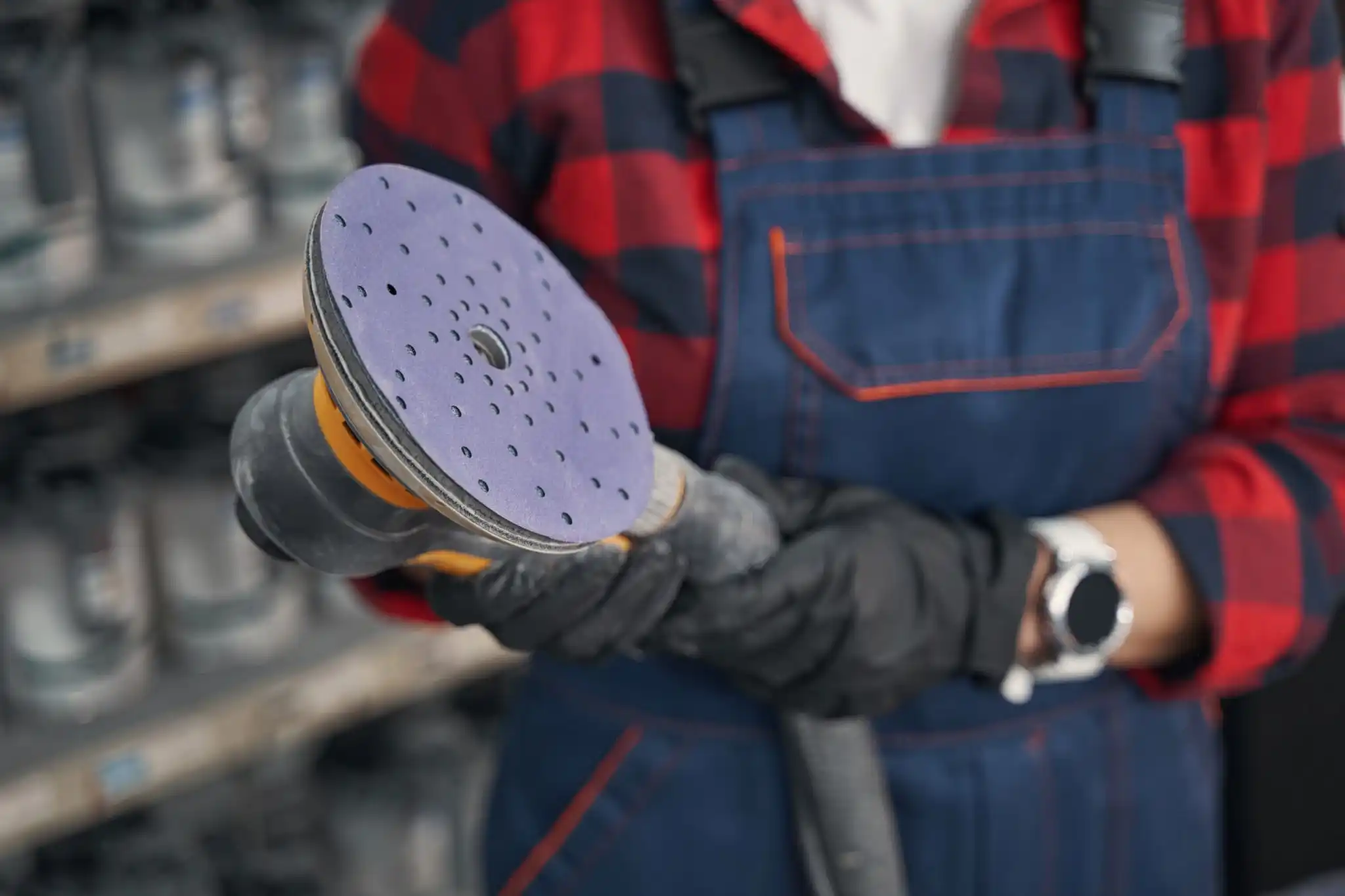
In industrial applications, abrasive grains are embedded in grinding wheels, belts, discs, or polishing tools. Their performance directly impacts machining precision and surface quality.
Types of Abrasive Grains Used in Industry
Aluminum oxide and its general-purpose applications
Aluminum oxide is one of the most commonly used abrasive materials. It is versatile, durable, and suitable for grinding metals such as steel and iron. Its balanced performance makes it a standard choice for general industrial use.
Silicon carbide for harder and brittle materials
Silicon carbide is sharper and more brittle than aluminum oxide. It is often used for non-metallic materials like ceramics, glass, and stone. Its sharp edges allow for fast cutting but it wears out more quickly under heavy pressure.
Ceramic abrasives for high-performance grinding
Ceramic abrasives are engineered for high-performance applications. They are extremely durable and maintain sharp cutting edges for longer periods. This makes them ideal for high-pressure grinding and precision machining tasks.
Key Properties That Influence Abrasive Performance
The performance of an abrasive grain depends on several critical properties. Hardness is one of the most important factors. Harder grains can cut through tougher materials more efficiently.
Grain shape also plays a major role. Angular grains tend to cut more aggressively, while rounded grains provide smoother finishes.
Thermal stability is another important factor. During high-speed machining, heat builds up quickly. Grains that can withstand heat without degrading perform more consistently and extend tool life.
How Abrasive Grain Selection Improves Efficiency
Proper Abrasive Grain Selection directly impacts production efficiency. The right grain type allows faster material removal, reducing overall machining time.
Efficient grains also require less energy to achieve the same results. This improves machine performance and reduces operational costs over time.
Surface quality is another important factor. Well-selected abrasives produce more consistent finishes, reducing the need for secondary polishing or rework. This saves both time and resources in manufacturing workflows.
Impact of Grain Selection on Tool Wear
Understanding wear mechanisms in abrasive processes
Tool wear occurs when abrasive grains lose sharpness or break down under pressure. Poor grain selection increases friction and accelerates wear on both tools and workpieces.
Role of grain sharpness in reducing friction
Sharp grains cut material cleanly instead of rubbing against it. This reduces heat generation and friction, both of which contribute to tool degradation over time.
How self-sharpening abrasives extend tool life
Some advanced abrasives are designed to fracture in a controlled way. This exposes new sharp edges during use, maintaining cutting efficiency and extending tool lifespan significantly.
Matching Abrasive Grains to Different Materials
Different materials require different abrasive strategies. Metals like steel and aluminum require durable abrasives such as aluminum oxide or ceramic grains.
Hard and brittle materials like glass or ceramics require sharper abrasives such as silicon carbide.
Using the wrong grain type can lead to inefficiency, poor surface finish, and excessive tool wear. Proper matching ensures optimal performance and reduces operational risks.
Role of Bonding Systems and Abrasive Structure
Abrasive grains are held together by bonding systems. These bonds influence how the grains behave during machining.
Resin bonds offer flexibility and are commonly used for finishing applications. Vitrified bonds are more rigid and provide high precision for grinding operations. Metal bonds are extremely durable and used for heavy-duty industrial processes.
The bond strength determines how quickly new abrasive grains are exposed during use. A well-balanced system ensures consistent performance and controlled wear.
Common Mistakes in Abrasive Grain Selection
One common mistake is choosing grit size without considering the material being processed. Fine grits may produce smoother finishes but reduce material removal speed.
Another mistake is ignoring workpiece hardness. Using soft abrasives on hard materials leads to rapid wear and poor efficiency.
Many operators also overlook process conditions such as speed, pressure, and temperature. These factors significantly influence abrasive performance and should always be considered in selection.
Industrial Applications of Optimized Abrasive Selection
In automotive manufacturing, abrasive selection is critical for engine parts, body finishing, and precision components. Efficient abrasives reduce production time and improve surface quality.
In aerospace engineering, tight tolerances require highly consistent abrasive performance. Even minor surface defects can affect safety and performance.
Metal fabrication industries rely heavily on abrasives for cutting, shaping, and finishing. Proper selection improves productivity and reduces equipment downtime.
Economic Benefits of Proper Grain Selection
Optimizing Abrasive Grain Selection has direct financial benefits. Reduced tool wear leads to lower replacement costs and less frequent maintenance.
Improved efficiency reduces machine runtime, saving energy and operational expenses. Faster production cycles also increase output capacity without additional equipment investment.
In large-scale manufacturing, even small efficiency improvements can result in significant long-term savings and improved ROI.
Future Innovations in Abrasive Grain Technology
The abrasive industry is evolving with advanced material science. Nanostructured abrasives are being developed to improve precision and durability at microscopic levels.
AI-driven systems are also being introduced to help manufacturers select optimal abrasive materials based on real-time data.
Sustainability is another growing focus. Eco-friendly abrasives and recyclable bonding systems are being explored to reduce environmental impact without compromising performance.
Conclusion: Strategic Importance of Abrasive Grain Selection
Abrasives may seem like a small part of industrial processes, but their impact is significant. Proper Abrasive Grain Selection improves efficiency, reduces tool wear, and enhances surface quality across manufacturing operations.
Understanding grain properties, material compatibility, and bonding systems allows industries to optimize performance at every stage of production.
As manufacturing becomes more competitive and technology-driven, intelligent abrasive selection will continue to play a key role in reducing costs and improving output quality.
Long-term success in industrial operations depends not only on machinery but also on the precision of the materials that support it.
FAQs
What is abrasive grain selection?
Abrasive grain selection is the process of choosing the right abrasive material based on hardness, shape, and application requirements to improve machining efficiency.
Why is abrasive grain selection important in manufacturing?
It affects tool life, surface finish, energy consumption, and overall production efficiency, making it critical for cost-effective industrial operations.
Which abrasive grain is best for metal processing?
Aluminum oxide and ceramic abrasives are commonly used for metals due to their durability and efficient cutting performance under pressure.
How does abrasive grain type affect tool wear?
Incorrect grain selection increases friction and heat, leading to faster tool degradation, while proper selection reduces wear and extends tool life.
Can abrasive grain selection improve production efficiency?
Yes, optimized abrasive selection reduces machining time, improves surface quality, and lowers energy and maintenance costs in industrial processes.