
Industrial manufacturing has entered an era where precision, efficiency, and durability are more important than ever before. Industries such as aerospace, automotive, electronics, medical device manufacturing, and heavy engineering now require materials that can handle extreme performance demands while maintaining consistent quality. In this changing environment, abrasive grain materials have become one of the most important foundations of modern production technology.
Abrasive grains may appear simple at first glance, yet they are responsible for some of the most advanced cutting, grinding, polishing, and finishing operations in industrial manufacturing. Every smooth metal surface, precision-engineered turbine component, polished medical instrument, or high-performance automotive part often depends on advanced abrasive technology during production.
The industry has evolved far beyond traditional grinding wheels and basic sanding materials. Today’s abrasive grain materials are engineered with microscopic precision to improve cutting speed, reduce heat generation, extend tool life, and increase energy efficiency. Manufacturers are investing heavily in innovative grain structures, ceramic technologies, superabrasives, and environmentally sustainable production systems.
As industries continue pushing toward automation and smart manufacturing, abrasive technologies are also becoming more intelligent and specialized. Modern abrasive solutions are designed not only for material removal but also for productivity optimization, surface integrity, and long-term cost efficiency.
Understanding the Role of Abrasive Grain Materials
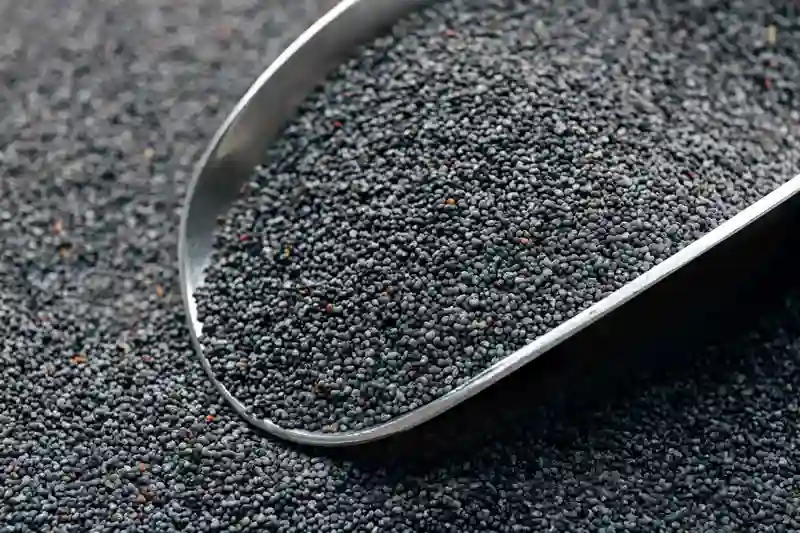
Abrasive grains are hard particles used to cut, grind, polish, or shape materials. These grains function as miniature cutting tools that remove tiny fragments from a surface during machining processes.
The performance of an abrasive product depends heavily on grain hardness, shape, toughness, thermal resistance, and fracture behavior. Different industries require different grain properties depending on the material being processed and the desired surface finish.
Traditional abrasive materials such as aluminum oxide and silicon carbide still remain widely used, but modern industrial demands have accelerated the development of more advanced grain technologies. Manufacturers now focus on engineered grain geometries and self-sharpening structures that maintain cutting efficiency for longer periods.
This shift has significantly improved manufacturing precision while reducing operational downtime and material waste.
The Rise of Precision-Engineered Ceramic Abrasives
One of the most important innovations in recent years is the advancement of ceramic abrasive grains. Ceramic abrasives are engineered using microcrystalline structures that fracture in controlled ways during grinding operations.
Unlike traditional grains that gradually become dull, ceramic grains continuously expose fresh cutting edges as they wear. This self-sharpening effect allows them to maintain aggressive cutting performance for much longer durations.
Industries working with hardened metals and heat-resistant alloys increasingly prefer ceramic abrasives because they reduce grinding pressure and minimize heat generation. Lower temperatures help protect workpiece integrity and reduce thermal damage.
Modern ceramic grain technology has also improved productivity in automated manufacturing environments where consistency and tool longevity are critical.
Why Superabrasives Continue to Dominate High-Performance Industries
Superabrasives represent another major advancement in abrasive grain materials. Diamond and cubic boron nitride, commonly known as CBN, are considered the two most important superabrasive categories.
Diamond abrasives provide exceptional hardness and are widely used for grinding ceramics, composites, glass, and carbide materials. Their ability to maintain sharpness under demanding conditions makes them essential in precision manufacturing industries.
CBN abrasives, on the other hand, are especially effective for hardened ferrous materials. Aerospace manufacturers and automotive companies frequently use CBN grinding systems for components requiring extremely tight tolerances.
The increasing demand for electric vehicles, aerospace turbines, and advanced electronics has accelerated the adoption of superabrasive technologies. These industries require precision levels that conventional abrasive materials often cannot maintain efficiently.
Smart Abrasives and Intelligent Manufacturing Systems
Modern manufacturing is becoming increasingly data-driven, and abrasive technologies are evolving alongside this transformation.
Smart abrasive systems now integrate sensors and monitoring technologies that track wear patterns, grinding pressure, temperature, and machine performance in real time. These innovations allow manufacturers to optimize production processes with greater accuracy.
Predictive maintenance is becoming particularly important in automated factories. Instead of waiting for abrasive tools to fail unexpectedly, intelligent systems can identify performance declines before major issues occur.
This approach reduces downtime, improves consistency, and lowers long-term operational costs. Manufacturers gain better control over productivity while minimizing material waste and machine damage.
Sustainable Innovations in Abrasive Material Production
Environmental concerns are reshaping industrial manufacturing, and abrasive material producers are responding with more sustainable technologies.
Traditional abrasive production processes often consume large amounts of energy and raw materials. New manufacturing methods focus on reducing emissions, improving recycling systems, and extending abrasive lifespan.
Longer-lasting abrasive grains contribute directly to sustainability because fewer replacements are required over time. Manufacturers also reduce energy consumption by designing grains that cut more efficiently with lower grinding pressure.
Some companies are exploring recycled abrasive materials and eco-friendly bonding technologies to minimize environmental impact further.
Sustainability is no longer viewed simply as a marketing advantage. Many industries now consider it an essential requirement for long-term competitiveness and regulatory compliance.
The Influence of Nanotechnology on Abrasive Performance
Nanotechnology has introduced remarkable possibilities for abrasive grain engineering. Researchers are developing nano-structured grains with improved hardness, thermal resistance, and wear characteristics.
These microscopic improvements can dramatically affect overall grinding efficiency and surface quality. Nano-enhanced abrasive materials often produce smoother finishes while maintaining aggressive cutting action.
Heat management is another major advantage. Advanced nano-engineered abrasives help reduce friction and thermal buildup during machining processes.
This is especially important in industries working with delicate materials or precision components where excessive heat can compromise structural integrity.
Nanotechnology also supports the development of thinner coatings and more precise abrasive layering systems for advanced industrial applications.
Why Grain Shape and Geometry Matter More Than Ever
Modern abrasive technology increasingly focuses on grain geometry rather than simply hardness alone.
Engineered grain shapes improve chip removal, reduce friction, and create more consistent cutting behavior. Triangular, shaped, and precision-formed grains are becoming common in advanced abrasive systems.
These geometries allow manufacturers to achieve faster cutting rates with lower applied pressure. Reduced force means less operator fatigue, lower machine strain, and improved energy efficiency.
Controlled grain fracture patterns are equally important. Abrasive grains designed to break in predictable ways maintain sharper edges longer, improving both productivity and surface finish quality.
The science behind grain shape optimization has become one of the most competitive areas of abrasive material research.
Automation and Robotics Driving Abrasive Innovation
Automation is transforming industrial grinding and finishing operations. Robotic systems now handle tasks that once relied heavily on manual labor.
This transition requires abrasive materials capable of maintaining highly consistent performance over long production cycles. Variations in grain quality or wear behavior can disrupt automated systems and reduce manufacturing accuracy.
As a result, abrasive manufacturers are engineering products specifically for robotic applications. These materials emphasize predictability, durability, and precise performance characteristics.
Automated grinding systems are particularly common in automotive manufacturing, aerospace component finishing, and medical equipment production.
The demand for robotic compatibility will likely continue influencing abrasive grain innovation for many years.
Challenges Facing the Abrasive Materials Industry
Despite major advancements, the industry still faces several challenges.
One major issue involves balancing aggressive cutting performance with surface finish quality. Highly aggressive abrasives improve productivity but can sometimes compromise precision or create excessive heat.
Cost management also remains important. Advanced ceramic and superabrasive technologies often require significant investment. Smaller manufacturers may struggle to adopt high-end abrasive systems immediately.
Supply chain stability has become another concern. Some raw materials used in abrasive production face geopolitical and environmental sourcing challenges.
Manufacturers must also continuously adapt to evolving industrial materials. New alloys, composites, and engineered materials often require entirely new abrasive solutions.
The rapid pace of industrial innovation ensures that abrasive technology research will remain highly active.
Expert Advice for Choosing Modern Abrasive Solutions
Industry experts recommend focusing on application requirements rather than choosing abrasives based solely on price.
The cheapest abrasive product may wear out faster, generate more heat, or reduce production consistency. In many cases, premium abrasive technologies lower overall operational costs by improving efficiency and reducing downtime.
Experts also stress the importance of matching abrasive grain type to the workpiece material. Ceramic abrasives may excel in one application while superabrasives outperform them in another.
Testing remains essential. Manufacturers frequently evaluate multiple abrasive systems before selecting the most efficient solution for a specific production environment.
Another important recommendation involves machine compatibility. Even advanced abrasive grains cannot perform effectively if grinding speeds, pressure settings, or cooling systems are poorly configured.
Training operators and understanding abrasive behavior remain critical parts of achieving optimal industrial results.
The Growing Importance of Heat Reduction Technologies
Heat generation is one of the biggest challenges in grinding and machining operations. Excessive temperatures can damage workpieces, reduce tool life, and compromise dimensional accuracy.
Modern abrasive grain technologies increasingly focus on minimizing thermal buildup. Self-sharpening grains, porous structures, and advanced bonding systems all contribute to cooler grinding conditions.
Lower temperatures improve not only surface quality but also overall manufacturing safety and efficiency.
Industries such as aerospace and medical manufacturing particularly value low-heat grinding because component precision is extremely sensitive to thermal distortion.
As manufacturing tolerances become tighter, heat management technologies will continue gaining importance.
How Digital Manufacturing Is Influencing Abrasive Development
Digital manufacturing systems now collect enormous amounts of production data. This information helps engineers optimize abrasive performance with greater precision.
Manufacturers can analyze grinding speeds, wear rates, temperature fluctuations, and material removal patterns in real time. These insights allow continuous refinement of abrasive products.
Artificial intelligence is also beginning to influence abrasive technology research. AI systems can identify performance trends and recommend process improvements faster than traditional testing methods.
This integration of digital intelligence with material science represents one of the most exciting developments in industrial manufacturing.
Future abrasive systems may become increasingly adaptive, automatically adjusting performance characteristics based on operational conditions.
The Future of Abrasive Grain Materials
The future of abrasive grain materials will likely center around three major priorities: precision, sustainability, and automation compatibility.
Manufacturers will continue developing grains capable of handling advanced materials while maintaining exceptional surface quality and efficiency.
Environmentally conscious production methods will also become more widespread as industries seek greener manufacturing solutions.
Artificial intelligence, robotics, and smart monitoring technologies will further reshape grinding and finishing operations.
At the same time, customer expectations will continue rising. Industries demand faster production speeds, lower costs, higher precision, and improved reliability simultaneously.
This combination of pressures ensures that abrasive grain innovation will remain one of the most dynamic areas in industrial engineering.
Conclusion
Abrasive grain materials have evolved into highly sophisticated technologies that play a central role in modern manufacturing. From ceramic abrasives and superabrasives to smart grinding systems and nano-engineered materials, innovation is transforming how industries approach cutting, grinding, and finishing operations.
Modern abrasive technologies are no longer defined solely by hardness. Precision engineering, heat management, sustainability, automation compatibility, and intelligent monitoring systems now shape the future of the industry.
As manufacturing standards continue advancing, abrasive materials must evolve alongside them. Companies that invest in advanced abrasive technologies gain advantages in productivity, surface quality, operational efficiency, and long-term competitiveness.
The future of abrasive engineering promises even greater precision and smarter performance, helping industries meet the growing demands of modern industrial production.
FAQs
What are abrasive grain materials used for?
Abrasive grain materials are used for grinding, cutting, polishing, sanding, and finishing surfaces in industries such as automotive, aerospace, construction, and electronics.
Why are ceramic abrasives becoming more popular?
Ceramic abrasives offer self-sharpening properties, longer lifespan, faster cutting performance, and lower heat generation during grinding operations.
What is the difference between diamond abrasives and CBN abrasives?
Diamond abrasives are best for non-ferrous and extremely hard materials, while CBN abrasives perform better on hardened steel and ferrous alloys.
How do smart abrasive technologies improve manufacturing?
Smart abrasive systems monitor wear, temperature, and grinding performance in real time, helping manufacturers reduce downtime and improve efficiency.